How to grow Canna lilies? Detailed growing methods and precautions
Canna lilies are perennial herbaceous plants with fleshy roots, and are commonly used flowering plants in tropical and subtropical regions. Below, let us take a look at the detailed growing methods and precautions for Canna lilies.
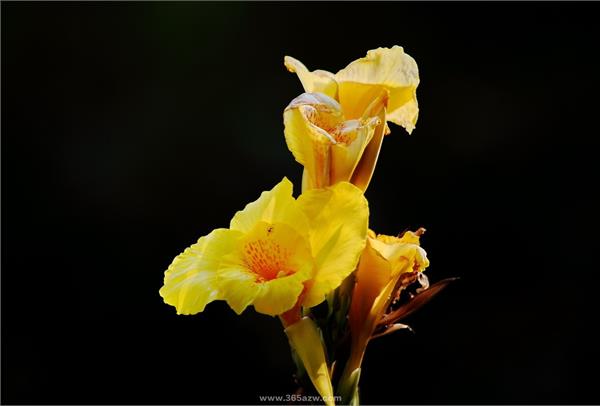
Detailed growing methods and precautions for Canna lilies
Growing methods for Canna lilies (basic knowledge):
Best propagation time: The best propagation time for Canna lilies is early to mid-April in spring.
Best growing soil: Canna lilies are not very picky about soil, but it is best to use loose, well-drained soil, and the soil should also be deep. A mix of leaf mold, vegetable garden soil, and rice husk ash at a ratio of 1:1.5:0.5, with a small amount of fertilizer such as soybean cake and bone meal added, is good.
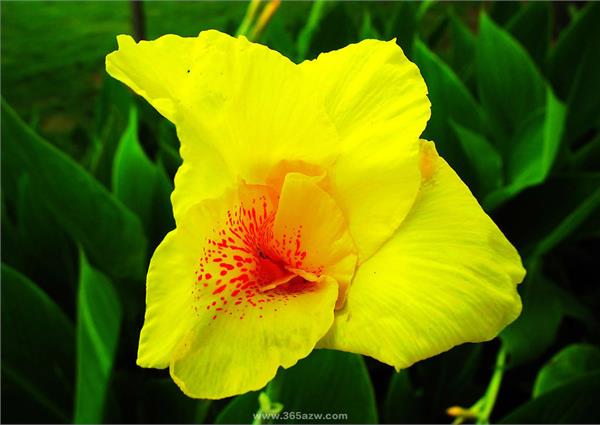
Growing humidity requirements: Canna lilies like a moist environment, but it must not be too wet, as excessive moisture easily causes root rot.
Best growing temperature: The best growing temperature for Canna lilies is 16-30°C.
Best growing light: During the growing period, sufficient light is required, ensuring at least 5 hours of direct sunlight per day. If the environment is too dark and light is insufficient, the flowering period will be delayed.
Precautions for growing Canna lilies:
Fertilizer application: In addition to applying sufficient base fertilizer before planting, during the peak growing season, apply a thin cake liquid fertilizer 3-4 times each month, and afterward apply fertilizer once a month.
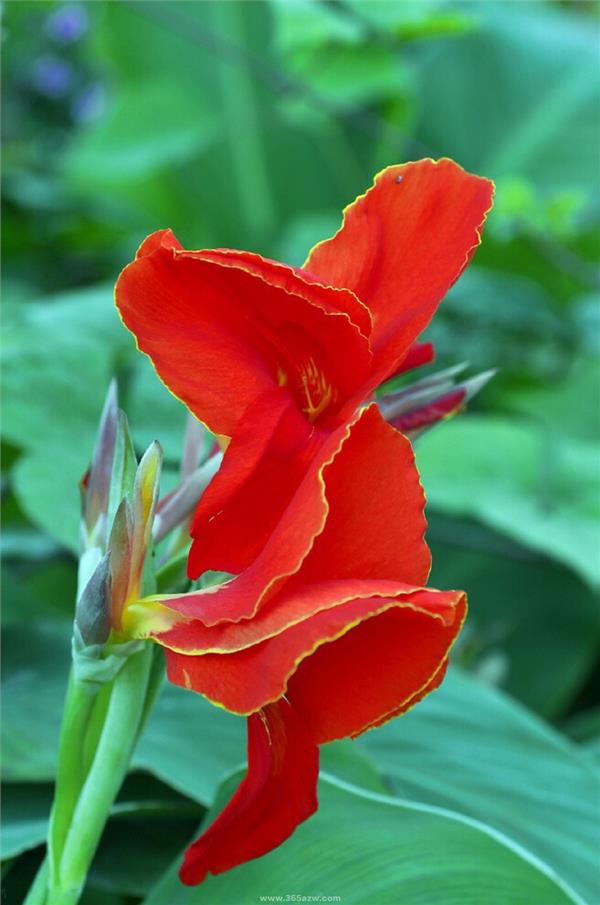
Watering key points: After planting, before the rhizome has grown new roots, water less. The potting soil should be kept moist. Soil that is too wet easily causes root rot. After the flower stalk grows, water frequently to keep the potting soil moist. If water is lacking, the phenomenon of "flowers hidden among leaves" easily appears after blooming. In winter, reduce watering, following the principle of "water when dry, stop when wet."
Pruning essentials: After the flowers fade, promptly cut off the flower stems to encourage new buds to sprout, grow flowering branches, and continue blooming.
Propagation key points: Common propagation methods for Canna lilies include seed propagation and tuber propagation.
1. Seed propagation: In April-May, cut a notch in the hard seed coat with a sharp tool, soak the seeds in warm water for a full day and night, then sow in the open field. They sprout 2-3 weeks after sowing. When 2-3 leaves have grown, transplant once, and they can bloom in the same year or the following year.
2. Tuber propagation: In spring from March to April, take out the tubers, remove the rotted parts, select stem tubers with 2-3 healthy buds and bury them in the potting soil, preferably with the bud tips exposed above the potting soil. Water thoroughly in the pot.
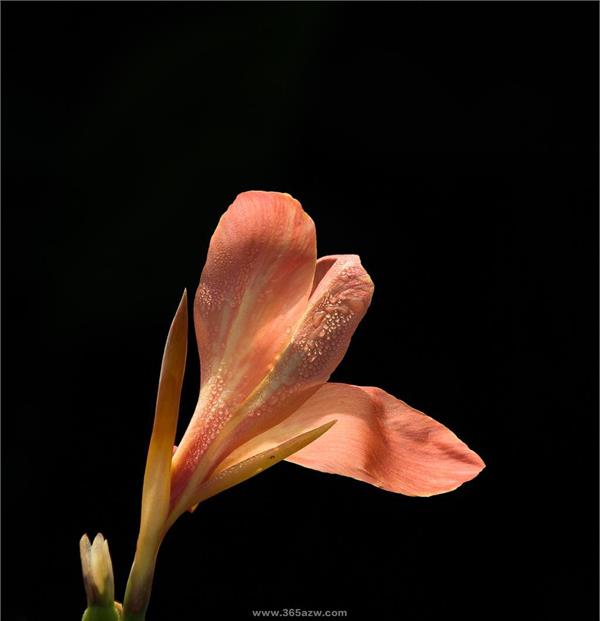
Pest and disease control: Canna lilies mainly have two pests and diseases. One is the banana skipper larva, which harms the leaves and ruins their appearance. This requires us to pay more attention to the plants and promptly spray insecticide when pests or leaf rolls are found. The other is mosaic disease, which can make the leaves and stems of the plant turn yellow. It is best to promptly replace and cut off diseased plants and prevent aphids.
Tips from growing Canna lilies:
Flowering period control for Canna lilies: If you want them to bloom for the May 1st holiday, in January cover the stored rhizomes with soil mixed with a small amount of fertilizer, requiring an ambient temperature of 30°C during the day and about 15°C at night. After 10 days, they will sprout. After sprouting, plant the rhizomes with 2-3 buds kept into pots, keep the potting soil moist, and apply fertilizer in appropriate amounts. Flower buds appear in early April. Pay attention to ventilation, and they can bloom by May 1st... If the flower stalk has not yet emerged 20-30 days before the scheduled flowering date, spray the leaves once with a 0.2% potassium dihydrogen phosphate water solution to force flowering.