What are the precautions for growing common flowers indoors?
Flowers are a type of plant that people greatly love in daily life and have always attracted much attention. Next, let us take a look at what precautions there are for growing flowers. Through learning knowledge about flowers, we can better apply it to real life.
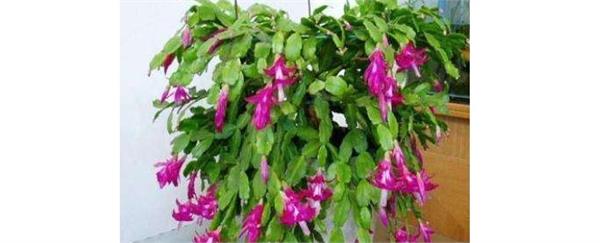
Precautions for the care of flower bonsai
1. Avoid drought. Watering when you think of it and not watering when you do not think of it, sometimes leaving the plant alone for several days in a row, and only quickly adding water once the leaves are found to be wilting, after which the leaf surface returns to normal - this is a response of the trunk to adapt to the environment. But if this continues over the long term, excessive transpiration will eventually make the trunk's serious "illness" difficult to cure, and it will die of dehydration.
2. Avoid fertilizing. In the high temperatures of midsummer, the leaf surface loses water relatively quickly. Fertilizing at this time can make the concentration of the trunk's cells lower than that of the external environment, causing water in the plant cells to flow in reverse into the soil, and the trunk will die of dehydration due to fertilizer damage.
3. Avoid midday bathing. At noon in hot summer, do not spray water on the trunk under sunlight or water the pot. This kind of "pampering" method will suddenly make the bonsai temperature lower than the ambient temperature and harm the trunk.
4. Avoid sudden shading. Under normal circumstances, to avoid high-temperature damage, when the ambient temperature exceeds the maximum temperature the trunk can tolerate, the bonsai should be moved to a relatively low-temperature area with weaker light (about 2 degrees lower) to benefit the trunk's growth. However, if it is suddenly moved indoors or into a low-temperature area without light, within a few days the leaves will naturally fall off and the trunk will also quickly wither and die.
5. Avoid waterlogging. When the ambient temperature exceeds 28 degrees, the bonsai should be protected with shade. Otherwise, the amount of water the trunk obtains from the soil will be far lower than the amount of water lost through transpiration. In mild cases, the leaf edges will be scorched and withered; in severe cases, the trunk will be severely damaged by sunscald and die.
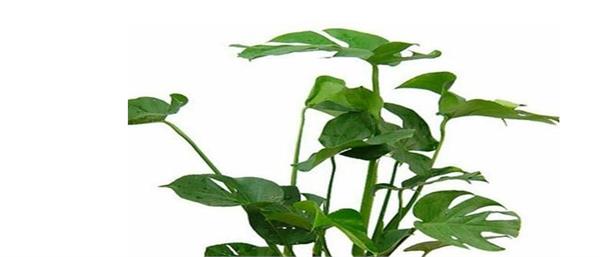
Precautions for growing flowers and plants indoors
Temperature: adjust appropriately according to different flowers
In northern regions, the winter climate is cold and the temperature is relatively low. Generally, southern flowers need to be moved indoors to overwinter, and the suitable temperature should be adjusted according to the requirements of different flowers. For flowers that like high temperatures, such as Milan, poinsettia, African impatiens, begonias, and succulent flowers such as cactus balls, the pots should be placed as much as possible on an indoor windowsill with abundant sunlight and a relatively high temperature (between 20°C and 25°C), and the lowest temperature must not be lower than 10°C. For flowers that like moderate temperatures, the suitable winter temperature is 18°C to 22°C, and the lowest temperature must not be lower than 6°C. For flowers that like low temperatures, the winter temperature should remain between 12°C and 15°C, and the lowest temperature must not be lower than 2°C. For aquatic flowers, such as lotus, water lily, water hyacinth, and Nuphar, the water should be drained in time before frost, and the pots should be moved to a cellar or corridor hall, with the temperature kept at 5°C, and water should be sprayed appropriately when the potting soil is dry.
In addition, flowers that bloom in winter and spring and flowers that like light and warmth should be placed on a windowsill or in a sunny place near a windowsill. Evergreen flowers and trees that like sunlight but can tolerate low temperatures, or flowers in a dormant state, can be placed in a cool place with scattered light. Generally, flowers that are not strict about light requirements can be placed in a dark, cold place. Fertilizing: reduce or stop as much as possible. In winter, most flowers enter a dormant period, so fertilizing should be reduced as much as possible or stopped. Indoor flowers that do not go dormant in winter, such as evergreen flowers like snake plant, fishtail palm, broadleaf lady palm, and pothos, basically have no fertilizer requirements when the room temperature is around 5°C, so there is no need for additional fertilizing. If fertilizing is done when the temperature is relatively low, root rot is likely to occur. The main reason is that in winter the plant root growth is in a slow state, and the fertilizer applied cannot be absorbed by the roots. Instead, it will hinder normal root absorption, and in severe cases the roots will rot.
If the room temperature is relatively high (above 20°C) and the flowers bloom in winter, then a diluted organic liquid fertilizer should be applied once every half month, and a small amount of compound chemical fertilizer can also be applied. When growing potted flowers at home, it is best to apply odorless "flower-growing fertilizer tablets" or fermented rice-washing water to prevent fertilizer odors from polluting the indoor environment.
Watering: never directly use tap water to water flowers
In winter, because the temperature is low, the water used for watering flowers should be stored in a container or left to stand. Never directly use tap water to water flowers, to prevent excessive temperature differences from damaging the roots. Because as winter begins and the temperature continues to drop, flower metabolism slows down or the plants enter a dormant state, so fertilizer and water should generally be strictly controlled for potted flowers. If the potting soil is not too dry, do not water. Especially for shade-tolerant flowers, avoid root rot and leaf drop caused by excessive watering. Generally, the appropriate watering time is around noon. For some shade-loving and moisture-loving evergreen flowers, water close to room temperature should often be used to spray and wash the leaf surface, cleaning off dust to facilitate photosynthesis.
Pest and disease control: pay attention to ventilation indoors
In winter, due to poor indoor ventilation, some flowers often suffer from powdery mildew, sooty mold, aphids, red spider mites, and other pests and diseases. For diseases, a 0.1% carbendazim or thiophanate solution can be sprayed; for pests, a 0.2% dimethoate or insecticide can be sprayed. When spraying pesticides, it is best to move the flower pots outdoors, or insecticidal tablets can be buried in the soil. In addition, attention should be paid to indoor ventilation. Throughout winter, windows should be opened at noon on clear days for ventilation and air exchange, to reduce the occurrence of pests and diseases and also help flowers grow robustly.
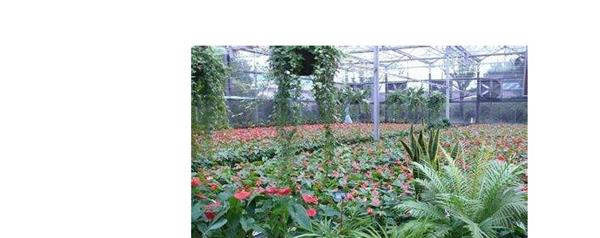
Precautions for growing common flowers
1. Rhododendron likes cool and ventilated conditions and avoids low temperatures and extreme heat; likes semi-shade and avoids blazing sun; likes moisture and avoids dryness; likes acidic soil and avoids alkaline soil; likes well-drained pine needle soil and avoids waterlogging; if drainage is good, watering can be a bit more, and the leaf surface should be sprayed with water frequently.
2. Clivia likes warmth and fears freezing cold; likes a semi-shade environment and avoids extreme heat and direct sunlight; likes well-drained leaf mold soil and avoids waterlogging; when the flower stalk is trapped, the day-night temperature difference should be adjusted to 7---10 degrees, and a little beer can be poured. When the potting soil is dry, do not spray water on the leaves; spraying water easily causes leaf rot. If there is dust on the leaves, they can be wiped with a wet wipe. Clivia can only bloom when its leaf veins reach above 20.
3. Camellia. Camellia is a shade-loving flowering tree. It requires about 50% shade and grows well under sparse shade. It fears exposure to sunlight. If exposed to direct blazing sun, the tender leaves are easily scorched, affecting healthy growth and flowering. In winter it likes cool and humid conditions, and in summer it likes a warm environment. The general suitable growth temperature is 15---25 degrees, and the flowers and leaves should be sprayed with water frequently. It fears drought and avoids waterlogging. It grows well only in fertile, loose, well-drained, slightly acidic sandy soil, and in alkaline or waterlogged soil it will gradually die.
4. Poinsettia likes a warm and humid environment and is not cold-tolerant; likes sufficient light and is not shade-tolerant; it is not strict about soil quality, but likes fertile, loose, well-drained, slightly acidic soil.
The above is the relevant introduction in this article. I believe that after reading it, you also have a simple understanding of this. If needed, you can continue to follow No. 1 Home Network to learn more information.