What are the cultivation methods and precautions for Dianthus chinensis?
Dianthus chinensis, also known as shiju, xiuzhu, changxia, rimu grass, qumai grass, bixie flower, etc., is a perennial herbaceous plant. It gets its name because its stems have nodes that swell like bamboo. It mostly grows in grasslands and mountain slopes, and has been introduced and widely cultivated artificially around the world as an ornamental plant, producing a large number of cultivated varieties. Dianthus chinensis also has certain medicinal value.
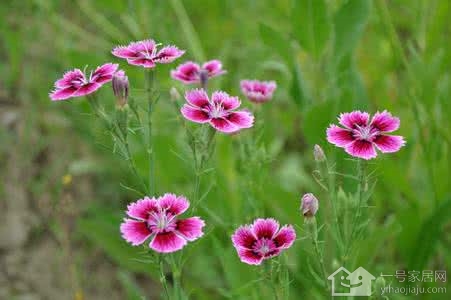
How to grow Dianthus chinensis:
Dianthus chinensis is cold-resistant and drought-tolerant, but not tolerant of extreme summer heat; in summer it often grows poorly or withers, so shade and cooling should be provided during cultivation. It prefers full sunlight, dry conditions, and a ventilated, cool and humid climate. It requires fertile, loose, well-drained loam or sandy loam containing lime, and dislikes waterlogging; it responds well to fertilizer. It is commonly propagated by sowing, cuttings and division. The optimum temperature for seed germination is 21 to 22°C. Sowing propagation is generally carried out in September.
Cultivation methods for Dianthus chinensis:
1. Soil: It requires a well-drained, humus-rich, clayey soil with good fertilizer retention that is slightly alkaline. A potting mix made from 6 parts garden soil, 2 parts compost and 2 parts sandy soil can be used.
2. Watering: Dianthus chinensis grows vigorously and is relatively drought-tolerant. In rainy and overly wet areas, the soil tends to compact, and the root system develops abnormally due to poor aeration, so in the rainy season attention should be paid to loosening the soil and draining water. Besides timely watering during the peak growing and flowering season, less water can be given at ordinary times, just enough to keep the soil moist.
3. Temperature: The suitable growing temperature for Dianthus chinensis is 15 - 20°C. In winter it should be placed in a greenhouse, with the temperature kept above 12°C. The air humidity should preferably be kept at around 75%. Properly spraying water before flowering to adjust humidity can prevent the buds from splitting open prematurely.
4. Fertilizing: Dianthus chinensis likes fertilizer. Apply a sufficient amount of baked fertilizer and bone meal before planting, and continue to apply liquid fertilizer during the growing period; generally apply a decomposed, diluted fertilizer solution about once every 10 days, and apply one top dressing after harvesting the flowers.
5. Light: Ensure 6-8 hours of light every day. In midsummer, when Dianthus chinensis is in a semi-dormant state, care should be taken to avoid scorching sunlight. The potting soil must not be waterlogged, otherwise the roots are prone to rot.
6. Pest and disease control: Common diseases of Dianthus chinensis include calyx rot, rust, gray mold, bud rot and root rot. Zineb can be used to control calyx rot, and oxycarboxin to control rust. To control other diseases, use zineb, carbendazim or captan to treat the soil before planting and cuttings. When spider mites or aphids cause damage, generally use a 1000-fold dilution of 40% dimethoate emulsion to kill them.
Precautions for growing Dianthus chinensis:
Dianthus chinensis is a perennial herbaceous flower with weak perennial endurance and is mostly grown as a biennial or annual plant. Potted Dianthus chinensis requires sufficient base fertilizer, with 2 to 3 plants per pot. When the seedlings grow to 15 cm tall, remove the terminal buds to encourage branching; afterward, pay attention to appropriately removing axillary buds, otherwise too many branches will disperse nutrients and result in small flowers. Appropriately removing axillary buds concentrates the nutrients and can promote larger, more brightly colored flowers. During the growing period, it should be placed in a sunny, well-ventilated place for care, keeping the potting soil moist, and applying a decomposed, diluted liquid fertilizer about once every 10 days. In summer, when there is too much rain, pay attention to drainage and loosening the soil.
The above is the relevant introduction in this article. I believe that after reading it you have gained a simple understanding of this. If needed, you can continue to follow No.1 Home Network to learn more information.