What plants purify indoor air?
Air quality has been getting worse recently, so many homeowners, after renovating their homes, are now in the habit of placing some green plants to purify the air and remove harmful substances such as formaldehyde. A few small indoor pots at home can not only purify the air but also beautify the environment. So what kind of plants can purify indoor air? Let's take a look below.
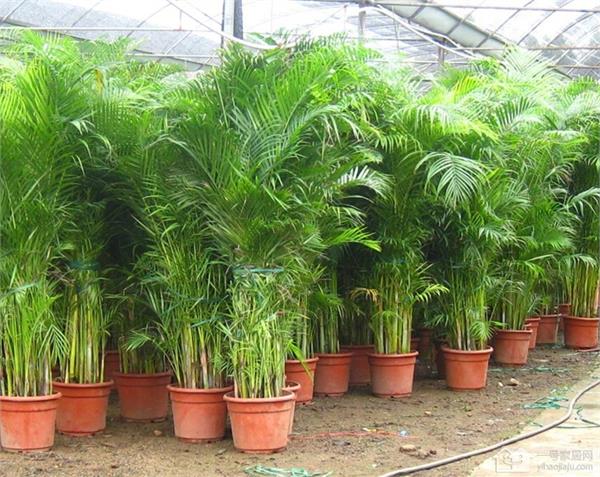
Plants that purify indoor air
1. Areca palm, known as the "most effective air humidifier." During dry periods, the areca palm can keep your room or office moist and continuously remove harmful chemicals from the air. In winter, it can even replace a humidifier.
2. Broadleaf lady palm, a versatile plant that can survive in dry environments as well as in humid climates, with a suitable temperature range of 20°F to 100°F, and it also has resistance to most plant insects. To see more pictures of broadleaf lady palm and more pictures of plants that can purify air, please search on this site. 3. Hawaiian palm (Arecaceae), scoring slightly lower than the previous two plants, is also one of the good "purifying plants." In a low-light and humid but not wet environment, the Hawaiian palm can thrive. If these conditions can be guaranteed, the Hawaiian palm can help keep your indoor air fresh.
3. Indian rubber tree, the rubber tree is good at removing indoor chemical toxins, especially formaldehyde. It does not need as much sunlight as other plants, yet its purifying effect is stronger than all other weeping figs. However, it should be noted that the leaves of the rubber tree are toxic, so if your pet is wandering around the rubber tree, you need to be careful.
4. Dragon tree, the dragon tree ranks 5th with a score of 7.8. As long as you bring the dragon tree home, it can make the air in your room or office fresh and pleasant.
5. Maidenhair fern: it can absorb about 20 micrograms of formaldehyde per hour, so it is considered the most effective biological purifier. People who deal with paint and coatings all day, or who have smokers around them, should place at least one pot of ferns in their workplace. In addition, it can also suppress xylene and toluene released from computer monitors and printers.
6. Aglaonema: known for its unique air-purifying ability: the higher the concentration of pollutants in the air, the more it can exert its purifying ability! Therefore, it is very suitable for dark rooms with poor ventilation.
7. Umbrella tree: it brings fresh air to smoking households. The leaves can absorb nicotine and other harmful substances from smoke-filled air and, through photosynthesis, convert them into harmless substances of the plant's own. In addition, it can reduce formaldehyde concentration by about 9 milligrams per hour.
8. Peace lily: an expert at suppressing waste gases exhaled by the human body, such as ammonia and acetone. At the same time, it can also filter benzene, trichloroethylene and formaldehyde from the air. Its high evaporation rate can prevent the nasal mucosa from drying out and greatly reduce the possibility of illness.
9. Golden pothos: golden pothos can work in environments that other indoor plants cannot adapt to. Through a process similar to photosynthesis, it can break down toxic substances released from fabrics, walls and smoke into substances of the plant's own.
10. Ivy: it can effectively resist the carcinogens in nicotine. Through the tiny stomata on its leaves, it absorbs harmful substances and converts them into harmless sugars and amino acids.
11. Money tree: it releases oxygen and absorbs carbon dioxide; it is suitable for warm, humid and well-ventilated environments, likes sunlight and also tolerates shade, and is convenient to manage and care for.
12. Pothos: this highly efficient air purifier among living things originated from the Mexican plateau. Because it can simultaneously purify benzene, trichloroethylene and formaldehyde in the air, it is very suitable for placement in newly renovated rooms. Newly laid flooring is just one of the sources that breed harmful substances.
Finally, a reminder: although some flowers and plants are beautiful and pleasing to the eye, some may contain toxins that are harmful to the human body, especially to young children at home, so we need to be even more careful when choosing indoor plants.
The above is the relevant introduction in this article. I believe that after reading it, you also have a simple understanding of this. If needed, you can continue to follow No.1 Home Network to learn more information.