How to Grow Aloe Vera? A Detailed Guide to Cultivation Methods and Growing Conditions
Nowadays, environmental pollution is becoming more and more serious. People like to grow some green plants at home. Since aloe vera has the effect of absorbing carbon dioxide and purifying the air, growing aloe vera at home can make indoor air fresh and is also good for people's health. Keeping a pot of it indoors is absolutely the right choice. Now let's take a look at how aloe vera plants are grown.
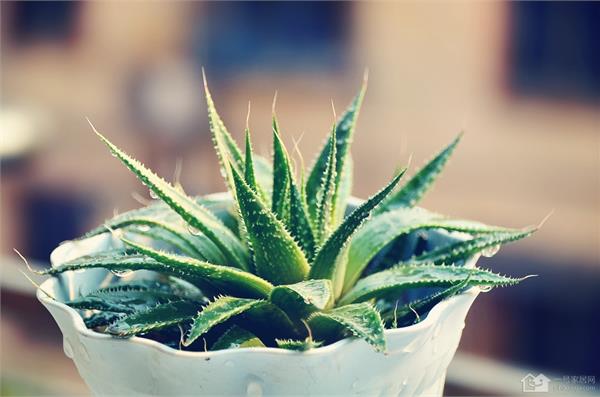
I. Aloe vera can be propagated by cuttings and by division
1. Cutting method: carried out between March and April in spring. Cut the top of a robust old plant as a cutting, with the cutting 10 cm to 15 cm long. Remove the leaves on both sides of the base, place it in a cool place for 2 days to 3 days, and once the cut surface is slightly dry, insert it into potting soil. Keep the soil in the pot moist, and it will root in 20 days to 30 days.
2. Division method: when repotting each spring, separate the young plants from the old plant and pot them separately. Newly potted young plants should have watering controlled. In summer, place them outdoors in a ventilated, semi-shaded spot and water every afternoon. In winter, keep the temperature above 5°C and place them indoors in a dry, sunny spot so they can grow well.
II. Cultivation and Growing Conditions of Aloe Vera
Aloe vera is originally a tropical plant and is by nature afraid of cold, but it is also an easy plant to grow and keep alive. Of course, to make aloe vera grow fast and multiply well, it must be carefully cultivated according to its characteristics.
1. Soil: Aloe vera likes to grow in loose soil that drains well and does not easily compact. Ordinary soil can be mixed with some sand, gravel or ash residue, and it is even better if leaf mold or grass ash can be added. Soil with poor drainage and aeration will block root respiration and cause root rot and death, but overly sandy soil often leads to the loss of water and nutrients, making aloe vera grow poorly.
2. Temperature: Aloe vera is afraid of cold, as it has long grown in environments that are frost-free all year round. It stops growing at around 5°C, and at 0°C its life processes are impaired. If the temperature falls below 0°C, it will suffer frost damage. The most suitable temperature for growth is 15-5°C, with humidity of 45-5%.
3. Water: Like all plants, aloe vera needs water, but it fears waterlogging most of all. In rainy and humid seasons, or when drainage is poor, its leaves easily shrivel and its stems and roots rot, leading to death.
4. Sunlight: In autumn and winter, besides paying attention to keeping it warm, also try to let aloe vera get as much sunlight as possible. Potted aloe vera indoors can be placed in a wind-sheltered, sunny spot. If the temperature is low, it can be covered with a transparent plastic bag and sunned after 9 in the morning and before 3 in the afternoon. Although it likes sunlight, it still grows well without direct light. If kept in a sunny place with plenty of water and fertilizer, it grows rapidly, but special care must be taken to keep enough moisture, otherwise the leaf tips easily dry out and scorch.
5. Fertilizing: During the vigorous growth period of aloe vera, nutrients in the soil are constantly absorbed by the plant. If fertilizer is not applied in time, the growth of aloe vera will be affected. Organic fertilizer generally has a slow effect, so you cannot wait until aloe vera's growth has already been affected before fertilizing, as it will be too late. Do not apply too much fertilizer at one time, and do not let it soil the leaves; if it does, rinse with clean water. During the growing period, management should be strengthened, with repeated loosening of the soil and weeding, which can promote soil aeration, accelerate the conversion of soil nutrients, promote well-developed roots, improve disease resistance, and achieve rapid, healthy growth.
The above is the relevant introduction in this article. I believe that after reading it, you now have a simple understanding of this. If needed, you can continue to follow No. 1 Home Network to learn more information.