What is the flower language and meaning of hyacinth?
Hyacinths come in a rich variety of colors, and each color has its own different flower language, fascinating and alluring, making them the top choice for potted plants to beautify the home. So do you know what the flower language of hyacinth is?
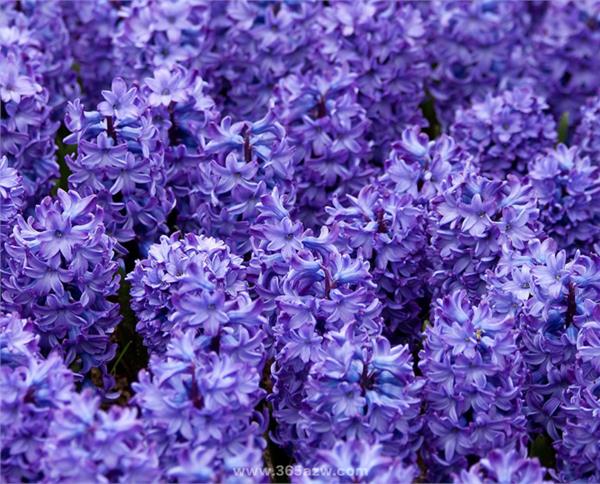
What is the flower language of hyacinth
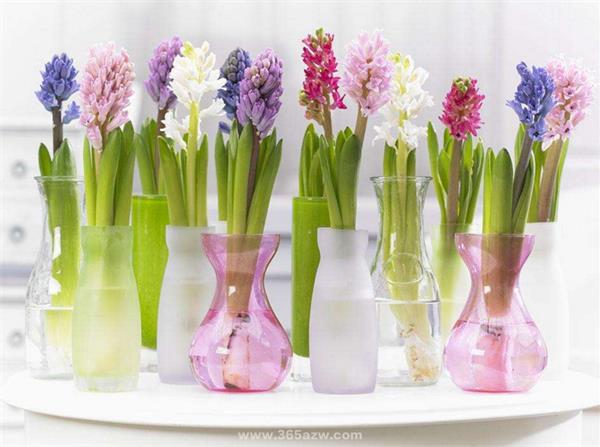
Hyacinths of different colors have different flower languages:
Hyacinth: eternal remembrance. As long as you ignite the fire of life, you can share a rich life together, hyacinth;
Purple hyacinth: sorrow, melancholic love, apology, regret. (Having gained my love, you will surely be happy and joyful)
Light purple hyacinth: gentle temperament, romantic feelings, sorrow.
White hyacinth: secret love, pure and understated, or love one dares not reveal.
Red hyacinth: thank you, touching love (your love fills my heart).
Peach-red hyacinth: represents passion.
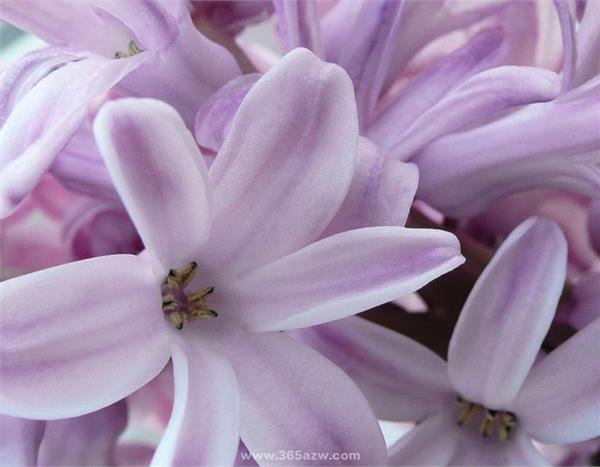
Pink hyacinth: admiration, romance.
Yellow hyacinth: with you I am very happy.
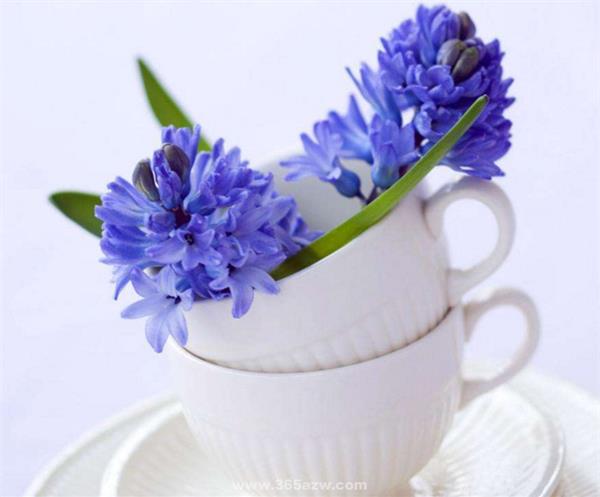
Blue hyacinth: noble and intense, constancy, chastity, as happy as seeing you.
Dark blue hyacinth: somewhat melancholic because of love
Light green hyacinth: if you want to have no secrets, you must first possess a kind heart.
After the hyacinth's flowering period ends, if you want it to bloom again, you need to cut off the previously dying flowers. So hyacinth also represents reborn love. Forget past sorrows and begin a brand-new love.
How to plant hyacinth bulbs
1. Forcing cultivation
After late July, treat the bulbs at a low temperature of 8°C for 70-75 days, then pot them in early October and cultivate them in a greenhouse, and they can be made to bloom at the end of the year. Because the forcing sensitivity of cultivated varieties varies greatly, varieties suitable for forcing should be selected when carrying out forcing cultivation.
2. Bulb selection
The nutrients needed for hyacinth flowering are mainly supplied by the nutrients stored in the scale leaves of the bulb. Only by selecting bulbs with undamaged skins, fleshy scales that are not excessively shriveled, relatively hard and heavy, and plump can you get abundant and beautiful flowers.
3. Soil requirements
The soil is required to be fertile, high in organic matter, with good granular structure, and a pH of 6-7; the growing medium can be prepared in a ratio of 5 parts leaf mold: 3 parts garden soil: 1.5 parts coarse sand: 0.5 part bone meal; before planting, chemical agents such as formalin can be used, at a soil temperature of 10-15°C, applied to the soil surface and immediately covered with plastic film; after 3 days of warm weather, remove the film, air it for 1 day, then plant, keeping the soil moist.
4. Light
Hyacinth only needs more than 5000Lx to maintain normal physiological activity. If the light is too weak, it will lead to conditions such as spindly plants, overly long stems, small flower buds, early flower fading, and yellowing leaves. An incandescent lamp can be used at about 1 m away for supplemental light; but too strong light can also cause scorching of leaves and petals or shorten the flowering period.
5. Temperature and humidity regulation
If the temperature is too high, even above 35°C, flower bud differentiation will be inhibited, deformed growth will occur, and the rate of blind flowers will increase; if the temperature is too low, the flower buds will suffer frost damage.
Soil humidity should be kept between 60-70%. If too high, root respiration is inhibited and rot easily occurs; if too low, the aboveground part wilts and may even die. Air humidity should be kept at around 80%, and humidity can be increased by misting and sprinkling water on the ground, or reduced by measures such as ventilation.