Is hyacinth fragrance toxic? Pay attention to these when caring for them at home
The hyacinth inflorescence is elegant, with rich flower colors and beautiful flower forms. Not only are the flowers charming, but the fragrance is even more intoxicating. So, is hyacinth fragrance toxic? Let us briefly introduce it below.
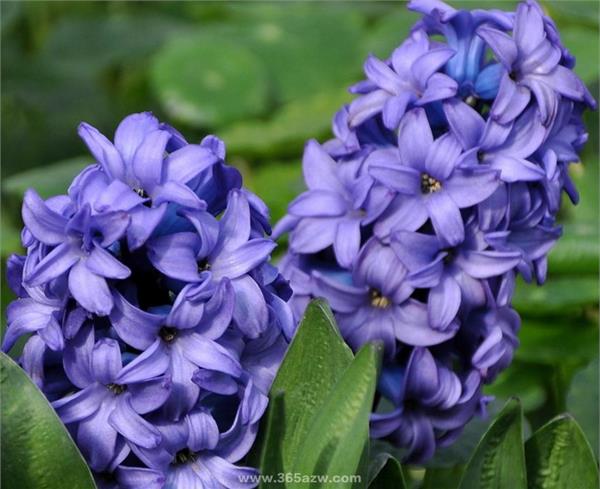
Is hyacinth fragrance toxic
Hyacinth fragrance is not toxic, but the pollen has a small amount of toxicity, mainly irritating the skin. Therefore, when growing hyacinths, try not to place them in the bedroom, because the hyacinth fragrance may cause insomnia. However, as long as you pay a little attention in daily life, there is no danger, so there is no need to stay away from hyacinths; place them in a place with air circulation. Hyacinth pollen can easily cause skin allergies. If you have an allergic constitution, pay a little attention.
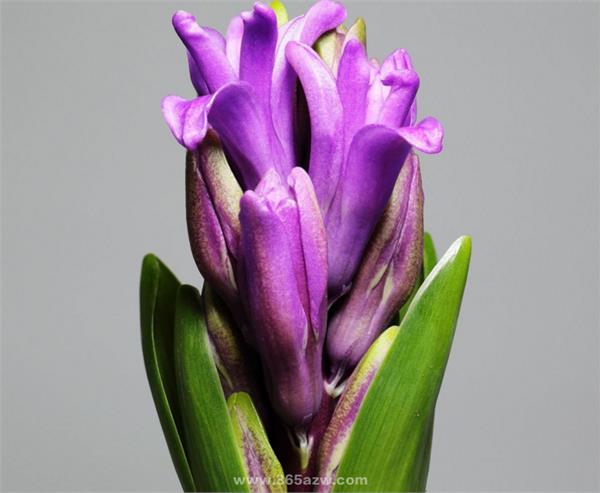
The benefits and effects of hyacinth
1. Hyacinth can be used for viewing
Being used for viewing is the most important role of hyacinth. In spring, this plant can be used to arrange flower beds, can also be planted at the edges of lawns, and can even be made into potted plants for indoor placement. Regardless of the planting method, hyacinth can beautify the environment, provide viewing, and delight people's body and mind.
2. Hyacinth can relieve fatigue
Hyacinth has a unique fragrance, which can directly stimulate human nerves, relax them, stabilize emotions, and reduce depression. In addition, placing hyacinths indoors can also refresh the mind, improve alertness, and reduce the appearance of fatigue.
3. Hyacinth can be made into essential oil
Besides being used for viewing, hyacinth flowers can also be extracted into fragrant essential oil with an inviting scent. Using this essential oil can soothe the body and mind and relax emotions. However, hyacinth bulbs are toxic and cannot be eaten. If accidentally eaten, poisoning will occur. Dizziness, diarrhea, and stomach cramps are the most common symptoms of poisoning.
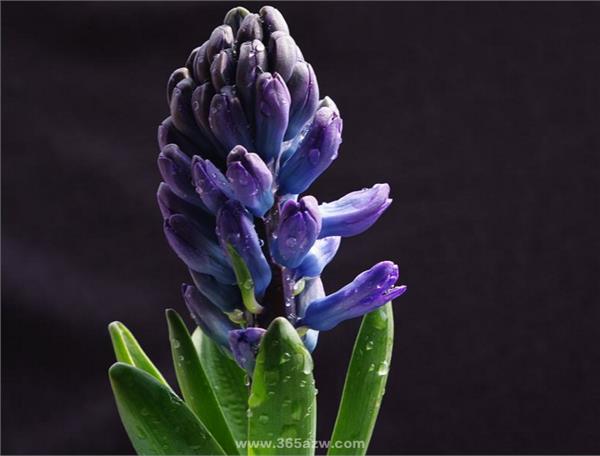
Hyacinth care methods
1. The nutrients needed for hyacinth flowering mainly come from the nutrients stored in the bulb leaves. Only by choosing seed bulbs with undamaged surfaces, fleshy scales that are not excessively shrunken, relatively hard and heavy, and plump can abundant and beautiful flowers be produced.
2. There must be suitable light intensity. If the light is too weak, it will lead to conditions such as weak plants, overly long stems, small buds, early flower fading, and yellowing leaves. An incandescent lamp can be used at about 1 m away for supplemental light; but too strong light can also cause scorching of leaves and petals or shorten the flowering period.
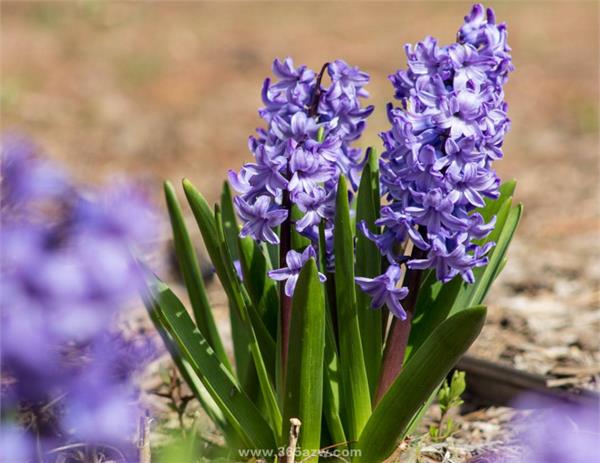
3. Maintain a suitable temperature. If the temperature is too high, even above 35°C, flower bud differentiation will be inhibited, abnormal growth will occur, and the rate of blind flowers will increase; if the temperature is too low, the flower buds will suffer frost damage.
4. The soil is required to be fertile, high in organic matter, with good aggregate structure, and slightly acidic.
5. Soil moisture should be kept between 60 and 70%. If too high, root respiration is inhibited and rot easily occurs; if too low, the aboveground part wilts, or even dies.