What mosquito-repellent plants are there? A roundup of common, easy-to-grow varieties
Mosquito-repellent plants give off certain scents or chemical substances to drive away insects that come near them, thereby achieving the goal of repelling mosquitoes. So what mosquito-repellent plants are there?
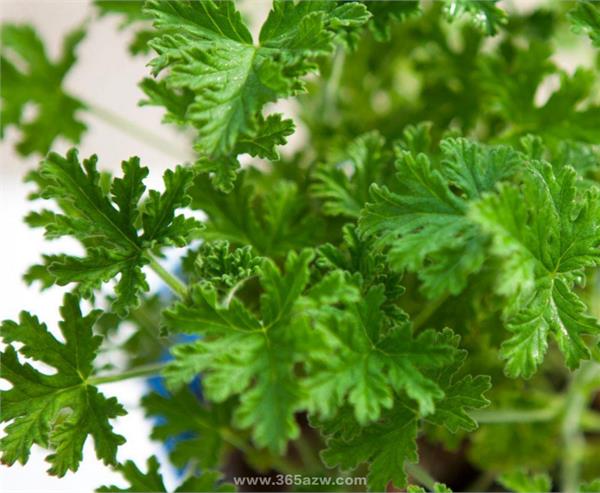
What mosquito-repellent plants are there
1. Mosquito-repellent geranium
Mosquito-repellent geranium contains natural ingredients and is suitable for placing at home; when mosquitoes smell this scent, they naturally keep their distance. Mosquito-repellent geranium gives off a lemon fragrance year-round, and not only has a mosquito-repelling effect but also purifies the air. Mosquito-repellent geranium can survive at temperatures above -3°C; the higher the temperature, the stronger the fragrance and the better the mosquito-repelling effect. It can also be grown as a potted plant.
2. Milan
Milan also has a mosquito-repelling effect, but when Milan blooms its scent is rather fragrant, so it is not suitable for people with rhinitis to place it at home.
3. Night-blooming jessamine
Every summer and autumn, it bursts into clusters of yellow-green bell-shaped small flowers. When the moon rises above the treetops, waves of strong fragrance drift out. This fragrance makes mosquitoes "afraid", making it an excellent mosquito repellent. Because night-blooming jessamine has a very strong scent, it cannot be placed in a room, as it can make people feel suffocated; placing it on a balcony works better.
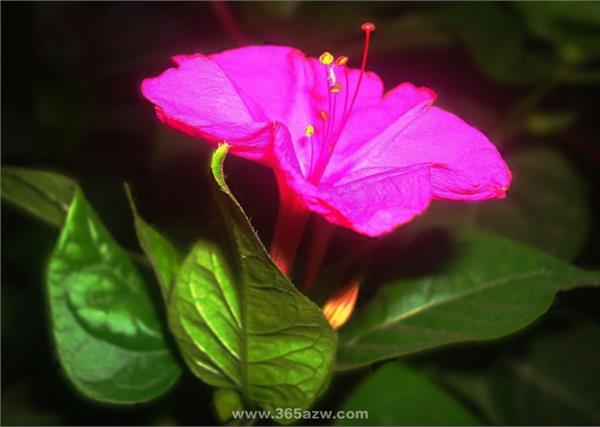
4. Catnip (also called camphor grass)
Research by Ohio State University in the United States found that catnip makes mosquitoes "afraid", and the mosquito-repelling effect of its essential oil is 10 times that of mosquito repellent spray. Making it into essential oil makes the mosquito-repelling effect even stronger.
5. Lotus
Lotus can not only repel mosquitoes but also kill mosquito larvae, making it a very good mosquito repellent. A new study published in the Asia Pacific Journal of Tropical Medicine found that lotus and other plants in the lotus family are an effective mosquito repellent and can also kill mosquito larvae. Therefore, in summer, it is worth growing some small lotus-family plants at home.
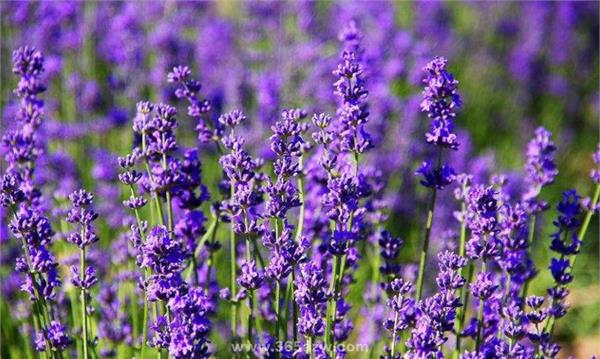
6. Lavender
Lavender itself has an insecticidal effect. People usually make lavender into sachets and place them in cupboards, and some also put it in the bedroom to repel mosquitoes. It is best to dilute lavender essential oil with soybean oil or similar before use.
7. Pitcher plant
It has peculiar leaves, and at the tip hangs an oblong "insect-trapping pitcher", with a lid at the mouth of the pitcher that can open and close. There are several dozen kinds of pitcher plants; different species have pitchers of different shapes, sizes and colors. Pitcher plants can be used medicinally and have a certain therapeutic effect on diseases such as hepatitis, stomach pain, high blood pressure and colds, and they are especially skilled at catching mosquitoes.
8. Geranium
Geraniums bloom in dense clusters, full and round, and can adapt to both north and south regions. In hot periods, place them outdoors in a lightly shaded environment; in cold periods, enjoy them indoors in a bright spot. Geraniums have a distinctive scent, and this scent makes mosquitoes and flies flee as soon as they smell it.
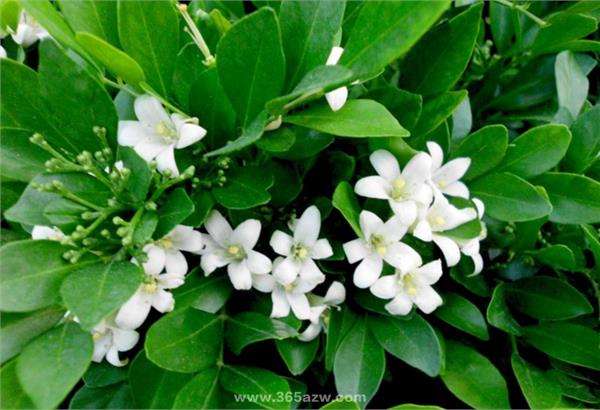
9. Orange jessamine
The orange jessamine that Jay Chou sang about in his song is a small evergreen shrub that has a very good mosquito-repelling effect.
10. Insect-eating grass
It is a herbaceous plant of the Asteraceae family, can grow to about 1 m tall, with small yellow flowers; a single plant can have hundreds of flower heads, and around each flower head there is sticky mucus, like five outstretched little fingers. As long as a small mosquito or insect lands on it, it gets stuck, and afterward the insect's corpse is slowly digested by it as nutrients for its growth.
11. Marigold
Marigold belongs to the Asteraceae family and is an annual herbaceous plant native to Mexico. The orange-yellow fresh flowers of marigold are rich in natural lutein; the pigment has the characteristics of being antioxidant, highly stable, non-toxic and highly safe, and is widely used in food, cosmetics, tobacco, medicine and poultry feed. As a natural mosquito-repellent plant, it is very safe.
12. Mint
A representative aromatic plant, with many varieties, each with a cool fragrance. If there are consecutive sunny days and it is placed in a spot with ample sunlight, the leaves become thick and fleshy, the edges curl back and droop, the leaf surface has a blue sheen, and it gives off a distinctive strong aroma; at this time its mosquito-repelling effect is at its best.