What Are Herbaceous Plants? Introduction to Common Herbaceous Plant Species
We often talk about herbaceous plants and woody plants, but in fact many people are not very clear about what herbaceous plants are and what kinds of herbaceous plants there are. Below, we will help you understand these questions.
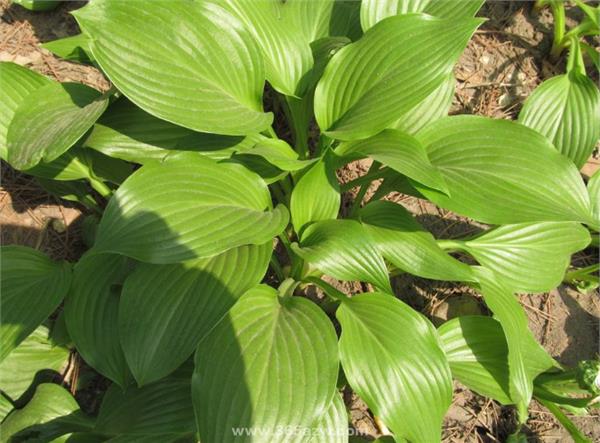
What Are Herbaceous Plants
Herb is a general term for a class of plants, but it is not a unit in the botanical taxonomic classification. People usually call herbaceous plants "grass" and woody plants "trees," but there are occasional exceptions. For example, bamboo belongs to the herbaceous plants, but people often regard it as a kind of tree.
Most herbaceous plants die entirely at the end of the growing season, including annual and biennial herbaceous plants such as rice and radish. The aboveground parts of perennial herbaceous plants die each year, while the underground parts such as roots, rhizomes and bulbs can live for many years, such as geraniums. Among herbaceous plants, the annual, biennial and perennial habits sometimes vary with changes in geographic latitude and cultivation practices. For example, wheat and barley are biennial herbs when sown in autumn, but become annual herbs when sown in spring; another example is cotton and castor, which are annual herbs in the Jiangsu-Zhejiang region, but can grow into perennial herbs in the lower-latitude south. The most notable difference from woody plants lies in the supporting force of their stems: the supporting force of herbaceous plants is turgor pressure.
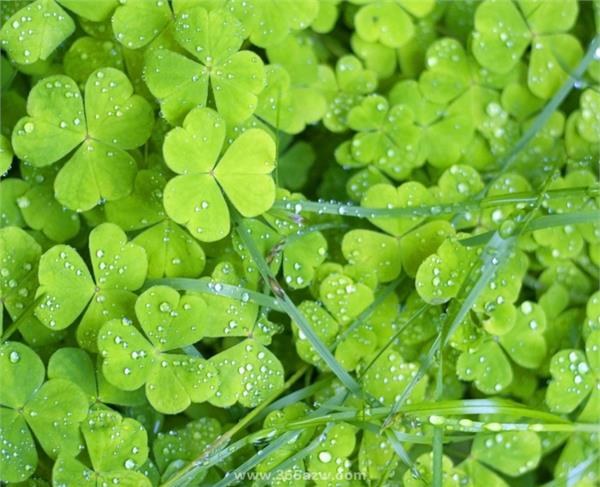
What Types of Herbaceous Plants Are There
(1) Annual herbs: herbaceous plants whose lifespan is only 1 year, from seed germination, growth, flowering and fruiting to withering and death, that is, plants that can complete their life cycle within one growing season, meaning they flower and fruit in the same year and then die, such as morning glory, cineraria, bottle gourd, and China aster.
(2) Biennial herbs: plants that in the first growing season (autumn) only grow vegetative organs, and in the second growing season (spring) flower and fruit and then die, such as winter wheat, sugar beet, and broad bean.
(3) Perennial herbs: herbaceous plants with a relatively long lifespan, generally more than two years, such as chrysanthemum, orchid, lotus, water lily, and clivia. The roots of perennial herbaceous plants are generally relatively thick and sturdy, and some also grow organs such as tuberous roots, tubers, corms, and bulbs.
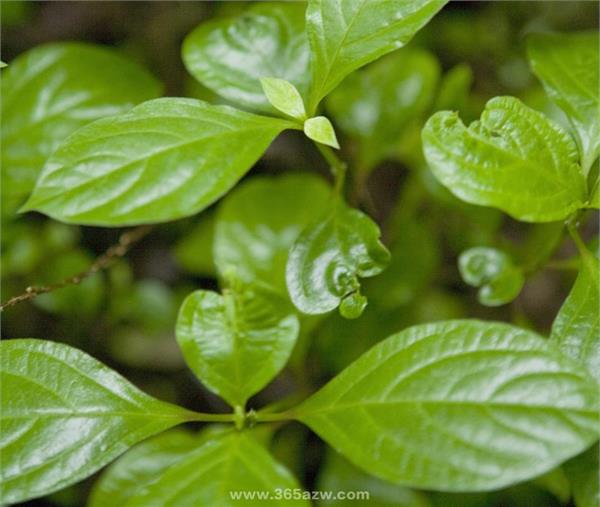
What Characteristics Do Herbaceous Flowering Plants Have
1. Annual flowers: herbaceous plants generally sown in spring and flowering in summer and autumn. After autumn the seeds mature, and the plants die when winter comes. They complete one life cycle within 1 year. Such as scarlet sage, cockscomb, zinnia, and garden balsam.
2. Biennial flowers: herbaceous plants generally sown in autumn and flowering in the following spring and summer. After the seeds mature in summer, the plants die. They grow across years, but for less than two years. Such as pot marigold, cineraria, pansy, and snapdragon.
3. Perennial root flowers: individual lifespan exceeds two years, and they are perennial herbaceous flowers. They have strong cold resistance, can overwinter outdoors in winter, can flower and fruit many times, and the underground parts have a normal form, such as chrysanthemum and African daisy.
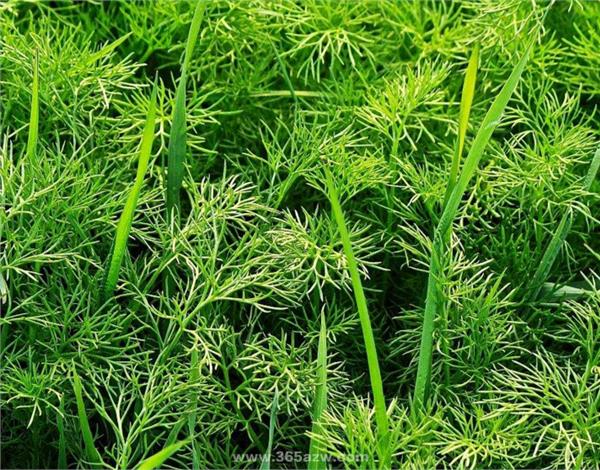
4. Bulbous flowers: individual lifespan exceeds two years, and they are perennial herbaceous flowers. Their underground parts have swollen modified stems or roots, with five types. (1) Bulb type: having many fleshy scales. Such as narcissus and lily. (2) Corm type: shaped like a ball, solid inside. Such as gladiolus. (3) Tuber type: underground stem forming a block shape, such as calla lily. (4) Rhizome type: the underground stem is thickened and forms a thick, long rhizome, with obvious nodes and internodes on it. Such as canna. (5) Tuberous root type: formed by swollen roots, such as dahlia.
5. Aquatic flowers: this category belongs to perennial root herbaceous plants. The underground parts are mostly thickened and rhizome-like, growing in shallow water or marshy areas. Such as lotus and water lily.
6. Ferns: this category belongs to perennial herbaceous plants, mostly evergreen, not flowering and not producing seeds. Such as sword fern and staghorn fern.