These 16 Indoor Plants Are Great at Removing Pollution
Indoor plants are actually a big subject, and many plants have invisible benefits, such as removing air pollution and reducing harmful gases. Below we introduce 16 indoor plants that can remove pollution.
16 Indoor Plants That Can Remove Pollution
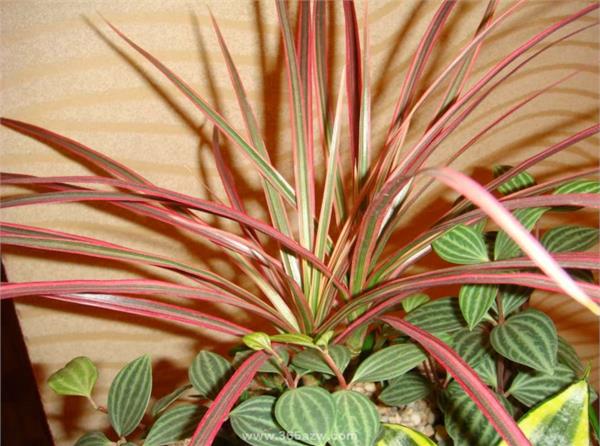
1. Dragon Tree (Dracaena marginata)
With just a little care, it can grow for a long time and bring high-quality air. When it comes to suppressing harmful substances, few other plants can compare with the dragon tree. Its leaves and roots can absorb xylene, toluene, trichloroethylene, benzene and formaldehyde, and break them down into non-toxic substances.
Light conditions: neutral plant, suitable for planting in semi-shade
Care required: keep the potting soil moist, fertilize regularly
Can remove: toluene, xylene, benzene, trichloroethylene, formaldehyde
2. English Ivy (Hedera helix)
English ivy can effectively resist the carcinogens in nicotine. Through the tiny stomata on its leaves, English ivy can absorb harmful substances and convert them into harmless sugars and amino acids.
Light conditions: neutral plant, suitable for planting in semi-shade
Care required: keep the potting soil moist, fertilize regularly
Can remove: formaldehyde, nicotine
3. Peace Lily (Spathiphyllum)
The peace lily is an "expert" at suppressing waste gases exhaled by humans, such as ammonia and acetone. It can also filter benzene, trichloroethylene and formaldehyde from the air. Its high transpiration rate can prevent the nasal mucosa from drying out, greatly reducing the likelihood of illness.
Light conditions: shade-loving plant, suitable for a warm, shady and humid environment
Care required: keep the potting soil moist and fertilize regularly; the leaves need frequent misting.
Can remove: ammonia, acetone, benzene, trichloroethylene, formaldehyde
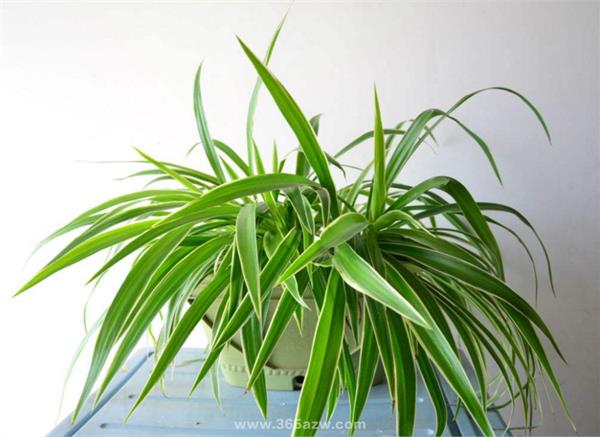
4. Spider Plant (Chlorophytum comosum)
A spider plant placed in a small space such as a bathroom, windowsill or shelf is very eye-catching. Its slender, graceful leaves can effectively absorb the formaldehyde released by curtains and other items, and fully purify the air. The naturally drooping leaves of the spider plant are very attractive, and when it is lush and leafy it will even occasionally turn slightly. And caring for it is not complicated at all.
Light conditions: neutral plant
Care required: keep the potting soil moist
Can remove: formaldehyde
5. Areca Palm (Dypsis lutescens)
The areca palm can evaporate one liter of water per day, making it the best natural "humidifier." In addition, its green palm leaves have a very effective purifying effect on xylene and formaldehyde. Misting the plant regularly not only keeps it green but also cleans the stomata on the leaf surface.
Light conditions: sun-loving plant, needs plenty of sunlight
Care required: keep the potting soil moist, fertilize regularly
Can remove: xylene, toluene, formaldehyde
6. Boston Fern (Nephrolepis exaltata)
The Boston fern can absorb about 20 micrograms of formaldehyde per hour, so it is considered the most effective biological "purifier." People who deal with paint and coatings all day, or who have smokers around them, should place at least one fern in their workplace.
Light conditions: neutral plant, prefers a semi-shady environment
Care required: keep the potting soil moist, needs frequent misting
Can remove: xylene, toluene, formaldehyde
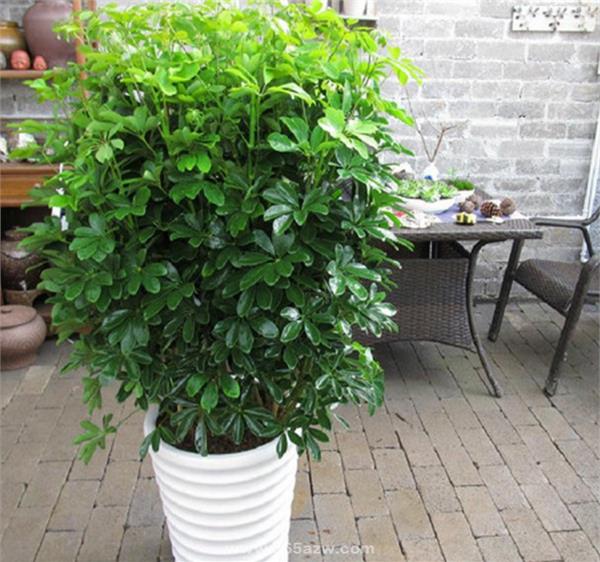
7. Umbrella Tree (Schefflera arboricola)
The umbrella tree brings fresh air to households with smokers. Its pretty umbrella-shaped leaves can absorb nicotine and other harmful substances from smoke-filled air, and through photosynthesis convert them into harmless substances of the plant's own.
The umbrella tree has low requirements for its growing environment, making it very suitable for inexperienced growers. If the tender shoots near the buds are pruned off, it can grow to 3 m tall, and it is very attractive and dense. Larger umbrella trees need to be reinforced with bamboo poles.
Light conditions: neutral plant
Care required: water moderately, does not like soil that is too wet
Can remove: nicotine
8. Weeping Fig (Ficus benjamina)
Plants such as the weeping fig show many excellent characteristics. It can raise the humidity of a room, which benefits our skin and breathing. It can also absorb formaldehyde, xylene and ammonia and purify murky air.
Light conditions: neutral plant, suitable for planting in semi-shade
Care required: plenty of water, keep the potting soil moist
Can remove: formaldehyde, toluene, xylene, ammonia
9. Golden Pothos (Epipremnum aureum)
Golden pothos can "work" in environments that other indoor plants cannot adapt to. Through a process similar to photosynthesis, it can break down toxic substances released by fabrics, walls and smoke into substances of the plant's own.
This type of plant is easy to care for and can grow well even in a dark environment, making it the best choice for beginners.
Light conditions: shade-loving plant
Care required: moderate water, a small amount of fertilizer
Can remove: formaldehyde, benzene, carbon monoxide, nicotine
10. Parlor Palm (Chamaedorea elegans)
It is a highly efficient air purifier. Because it can simultaneously purify benzene, trichloroethylene and formaldehyde in the air, it is very suitable for placing in newly renovated rooms.
Light conditions: neutral plant, suitable for planting in semi-shade
Care required: plenty of water, keep the potting soil moist
Can remove: benzene, trichloroethylene, formaldehyde
11. Arrowhead Plant (Syngonium podophyllum)
It can raise air humidity and absorb large amounts of formaldehyde and ammonia. The more leaves it has, the stronger its ability to filter and purify the air and to retain moisture.
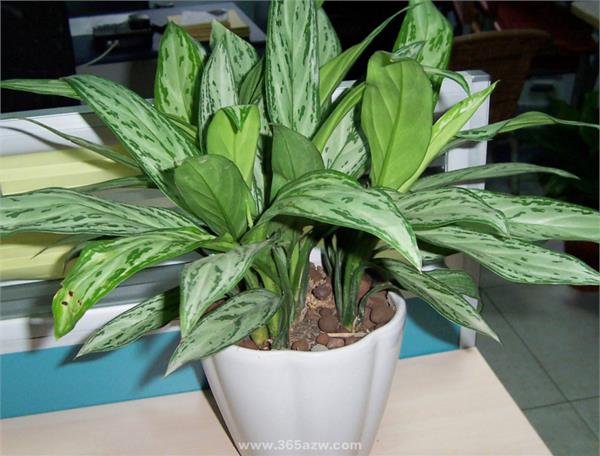
12. Chinese Evergreen 'Silver Queen' (Aglaonema)
The Chinese evergreen 'Silver Queen' is known for its unique air-purifying ability: the higher the concentration of pollutants in the air, the better it can exert its purifying ability! Therefore it is very suitable for dark rooms with poor ventilation.
This plant with grayish-white leaves likes to live in a constant-temperature environment. If watered with warm water, it can survive for a longer time.
13. Devil's Ivy (Epipremnum aureum)
The smell of household cleaning detergents and cooking fumes is also a killer that harms human health. Placing or hanging a pot of a climbing plant such as devil's ivy in the corner of a kitchen or bathroom doorway can effectively absorb the chemical substances in the air and dispel the lingering odors after renovation.
Care tips: it cannot tolerate strong direct sunlight and is suited to gentle indoor light. It needs to be watered every day to keep the soil moist, but water must not accumulate and breed mosquitoes. Fertilizing once every one to two months can make the leaf color more glossy and beautiful, but fertilizer should be kept from directly touching the leaf surface.
14. Cactus
The radiation from computers, TVs and various electrical appliances has always been a major source of pollution in home air. Placing a pot of a cactus-type plant near these appliances can absorb a large amount of radiation pollution.
Care tips: water about once every five to ten days, and do not pour water directly on the flesh when watering. Fertilize once every one to two months.
15. Dracaena 'Green Emperor' (Dracaena fragrans)
This type of plant has broad leaves and can effectively absorb large amounts of carbon dioxide and release oxygen, making the air feel much fresher. Place a pot in the living room, and the moment you get home from an exhaust-filled road you can breathe purified fresh air - doesn't it instantly lift your spirits?
Care tips: it likes high temperatures and high humidity, so it should be misted often to keep the leaves deep green and glossy. Avoid direct sunlight in summer. Fertilize twice a month to keep the leaves large and glossy.
16. Mugwort (Artemisia argyi)
Mugwort is a plant with the effect of calming the mind and aiding sleep. A small pot placed at the bedside or in front of the dressing table in the bedroom adds a touch of greenery while also giving off a sleep-inducing scent, so you can enjoy a sweet sleep every night.
Care required: plenty of water, keep the potting soil moist
Can remove: benzene, trichloroethylene, formaldehyde
11. Arrowhead Plant (Syngonium podophyllum)
It can raise air humidity and absorb large amounts of formaldehyde and ammonia. The more leaves it has, the stronger its ability to filter and purify the air and to retain moisture.
12. Chinese Evergreen 'Silver Queen' (Aglaonema)
The Chinese evergreen 'Silver Queen' is known for its unique air-purifying ability: the higher the concentration of pollutants in the air, the better it can exert its purifying ability! Therefore it is very suitable for dark rooms with poor ventilation.
This plant with grayish-white leaves likes to live in a constant-temperature environment. If watered with warm water, it can survive for a longer time.
13. Devil's Ivy (Epipremnum aureum)
The smell of household cleaning detergents and cooking fumes is also a killer that harms human health. Placing or hanging a pot of a climbing plant such as devil's ivy in the corner of a kitchen or bathroom doorway can effectively absorb the chemical substances in the air and dispel the lingering odors after renovation.
Care tips: it cannot tolerate strong direct sunlight and is suited to gentle indoor light. It needs to be watered every day to keep the soil moist, but water must not accumulate and breed mosquitoes. Fertilizing once every one to two months can make the leaf color more glossy and beautiful, but fertilizer should be kept from directly touching the leaf surface.
14. Cactus
The radiation from computers, TVs and various electrical appliances has always been a major source of pollution in home air. Placing a pot of a cactus-type plant near these appliances can absorb a large amount of radiation pollution.
Care tips: water about once every five to ten days, and do not pour water directly on the flesh when watering. Fertilize once every one to two months.
15. Dracaena 'Green Emperor' (Dracaena fragrans)
This type of plant has broad leaves and can effectively absorb large amounts of carbon dioxide and release oxygen, making the air feel much fresher. Place a pot in the living room, and the moment you get home from an exhaust-filled road you can breathe purified fresh air - doesn't it instantly lift your spirits?
Care tips: it likes high temperatures and high humidity, so it should be misted often to keep the leaves deep green and glossy. Avoid direct sunlight in summer. Fertilize twice a month to keep the leaves large and glossy.
16. Mugwort (Artemisia argyi)
Mugwort is a plant with the effect of calming the mind and aiding sleep. A small pot placed at the bedside or in front of the dressing table in the bedroom adds a touch of greenery while also giving off a sleep-inducing scent, so you can enjoy a sweet sleep every night.