What Are Man-Eating Plants? A Full Analysis of the Debate Over Their Existence
In the plant kingdom there are many truly astonishing plants. Some are so strange that they leave people utterly baffled, while others exist only in legend, their existence never fully confirmed. The legendary man-eating plant is one such example. Below, let us look at what man-eating plants there are and at the controversy surrounding them.
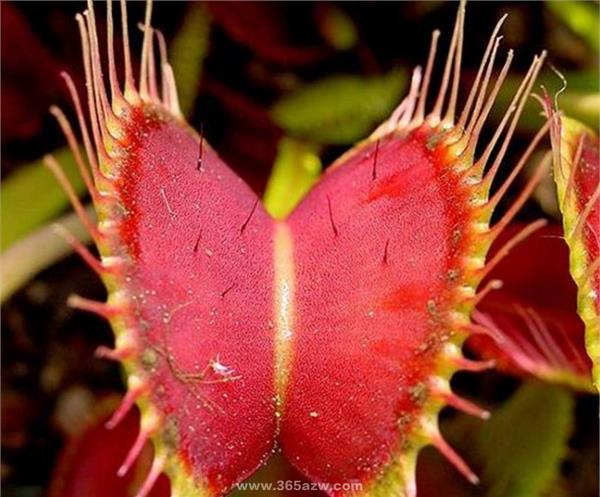
What Is a Man-Eating Plant?
A man-eating plant is, in legend, a plant that can devour people. Many newspapers and magazines have reported information about man-eating plants; some say they are found in the primeval forests of the Amazon River basin in South America, and others say they are found on the island of Java in Indonesia. Although these reports gave detailed descriptions of the form, habits and locations of various man-eating plants, to this day there is no direct evidence of man-eating plants, which makes them both mysterious and shrouded in doubt.
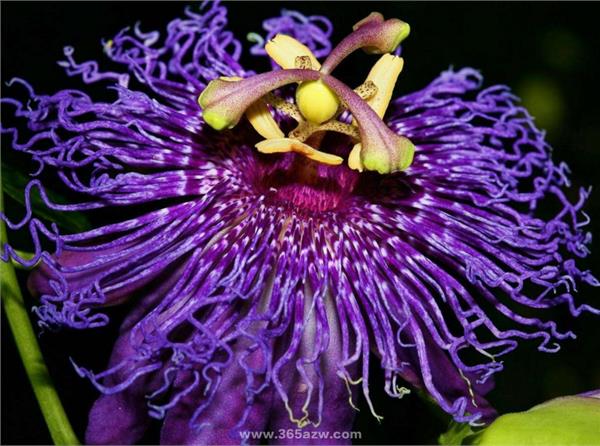
What Man-Eating Plants Are There?
1. The Sunwheel Flower
In the dense primeval forests and vast swampy areas of the Amazon River basin in South America grows a terrifying man-eating plant called the sunwheel flower. Its leaves are generally about 1 m long, and its flowers are scattered across the leaves.
If a person accidentally touches it or tries to pick it, those slender leaves immediately curl in from all around like bird claws, tightly seizing the person and dragging them down onto the damp grass until they cannot move at all. At this point, large spiders hiding on the sunwheel flower swarm onto the victim's body and feast on them. After the spiders have eaten the person's body, the waste they excrete becomes fertilizer for the sunwheel flower.
2. The Man-Eating Tree
In some places in Madagascar, Africa, there is a tree that eats people. It resembles a giant pineapple in shape, stands about 3 m tall, has a cylindrical trunk and snake-like branches, so locals call it the "snake tree." This tree is extremely sensitive; when a bird lands on its branches, it is quickly seized and disappears. The American botanist Lisle personally experienced the power of the snake tree in 1937: when he accidentally touched a branch, his hand was quickly entangled, and he only managed to break free after great effort, but a large piece of flesh was torn from the back of his hand.
3. The African Man-Eating Flower
The man-eating flower is a mysterious plant with certain animal-like habits. It must swallow at least ten living lives before it can produce one flower; only one in ten, meaning that among ten flowers, only after being nourished by the living lives of living creatures can one small green man-eating flower fruit form!
After eating countless passing insects, ants, birds and beasts and even innocent passersby, and also devouring the other nine small fruits that ripen at the same time, only by the hundred-year mark does one green fruit of the man-eating flower turn from green to brownish red and then ripen into a blood-dripping crimson. At that point it becomes a rare treasure of the world. It can be made into a wonder drug that increases ability values, but unfortunately that is only a legend; no one has ever seen a crimson man-eating flower fruit.
4. The Man-Catching Vine
In the tropical primeval forests of Panama, there also grows a kind of "man-catching vine" similar to the bangar vine. If a person accidentally touches the vine, it will coil tightly around them like a python until it strangles them, in order to obtain the nutrients it needs for growth.
If a person, or an animal, touches this kind of tree, the hooked, thorny branches rush in and surround and wound the person or animal. If no one else discovers the victim and comes to help, it is very difficult to escape this predicament. Therefore, when encountering this kind of plant, never touch it out of curiosity.
5. The Man-Enclosing Tree
In the forests of Brazil there is a shrub up to three or four meters tall called the aranibanda tree; its hooked, thorny branches rush in and surround and wound people or animals. If no one else discovers the victim and comes to help, this predicament is very hard to escape.
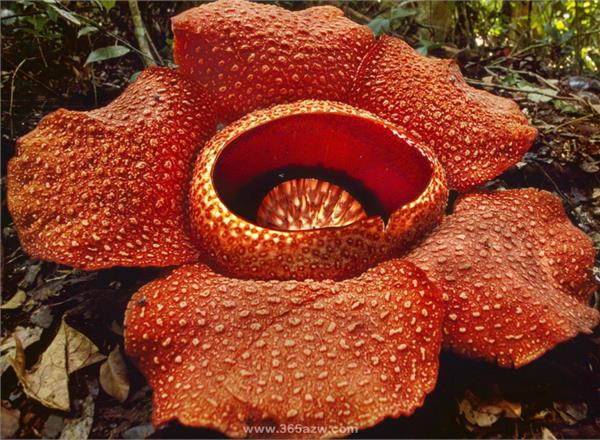
The Man-Eating Plant Controversy
In fact, on the question of whether man-eating plants exist, controversy follows close behind. Many newspapers and magazines continuously report information about man-eating plants; some say they are in the primeval forests of the Amazon River basin in South America, and others say they are on the island of Java in Indonesia. Although these reports gave detailed descriptions of the form, habits and locations of various man-eating plants, it is in fact still very regrettable, because in all these reports no one has produced direct evidence of man-eating plants, nor any photographs or specimens, nor has anyone precisely pointed out which family or which genus the plant belongs to. For this reason, many botanists have become doubtful about whether man-eating plants exist. So this is also a question very much worth discussing.
In fact, it is still very regrettable, because in all these reports no one has produced direct evidence of man-eating plants, nor any photographs or specimens, nor has anyone precisely pointed out which family or which genus the plant belongs to. For this reason, many botanists have become doubtful about whether man-eating plants exist. So this is also a question very much worth discussing.