How to care for foliage plants in winter? Growing methods and precautions
Foliage plants generally refer to plants with beautiful leaf shapes and colors, native to hot and humid tropical rainforests, requiring less light, such as maranta (prayer plant) species, ferns, and so on. Today we will introduce the winter growing methods and precautions for foliage plants.
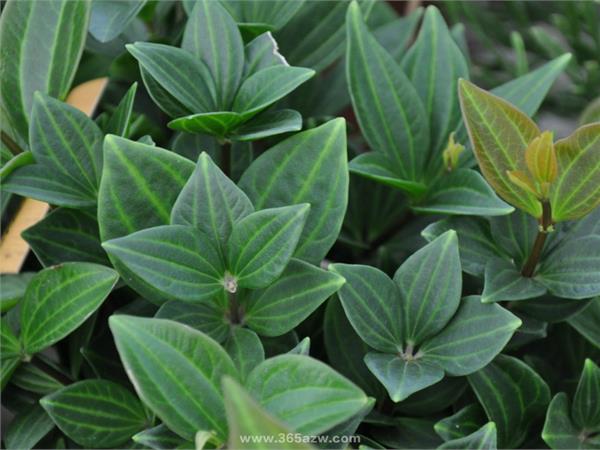
Winter growing methods and precautions for foliage plants
To keep foliage plants native to tropical and subtropical regions green and full of life in winter, the following points should be observed:
1. Keep warm and prevent freezing
Different foliage plants have different minimum overwintering temperature requirements, with considerable variation, and different varieties of the same species also differ noticeably in cold resistance. Therefore, depending on the region, plant species and variety, they should be moved indoors for the winter in batches and by category. Keeping warm and preventing freezing is an important maintenance task for foliage plants to overwinter safely. According to the different overwintering temperature requirements of foliage plants, the author believes they can be divided into four categories, with different warmth and freeze-prevention measures taken for each.
The first category: foliage plants whose overwintering temperature must not fall below 5°C, such as asparagus fern, variegated English ivy, Chinese tulip tree, Japanese fatsia, variegated dieffenbachia, taro, clearweed, and Chinese fan palm. These plants have a certain cold resistance and can overwinter safely under ordinary cold-protection facilities, and can also be placed in a single-layer plastic greenhouse or an ordinary greenhouse.
The second category: foliage plants that must not go below 8°C, such as jade plant, saxifrage, Aglaonema, fishtail palm, Buddha belly bamboo, and red bird's nest fern. They have a certain cold resistance, but during the coldest weather an additional layer of plastic film should be added over the greenhouse or indoors.
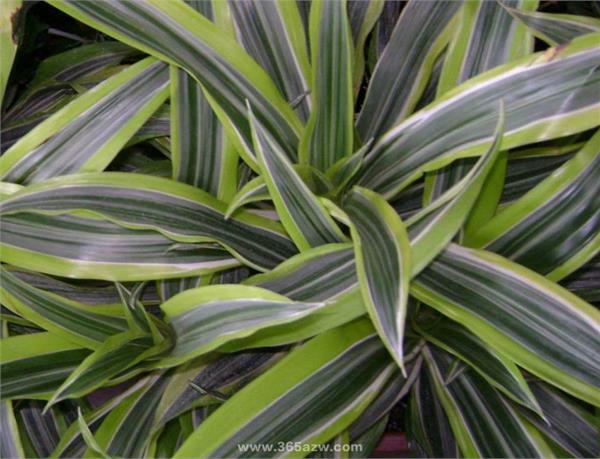
The third category: foliage plants that must not go below 10°C, such as asparagus fern, spider plant, Peperomia, Caladium, red-veined maranta, golden pothos, Dracaena fragrans, Norfolk Island pine, and lucky bamboo. As soon as winter begins, they should be placed in a double-layer plastic greenhouse or a greenhouse covered with an additional layer of plastic film.
The fourth category: foliage plants that must not go below 15°C, such as areca palm, croton, white net-veined fittonia, money tree, and Boston fern. They have relatively high overwintering temperature requirements and are best placed in a heated greenhouse. If no heating is available, they can be placed in a double-layer plastic greenhouse; in the south, during maintenance, from 3 pm to 9 am the next day, an additional layer of plastic film should be placed over the top of the foliage plants.
2. Water appropriately
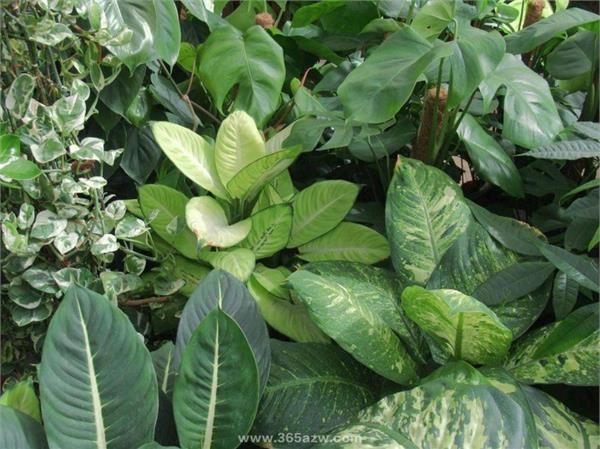
After winter begins, the growth of foliage plants basically stalls, and some plants enter a dormant stage, with their water-absorbing capacity greatly reduced, so watering should not be excessive or too heavy. They should be watered thoroughly once before being moved into the greenhouse or indoors, and while in the greenhouse the potting soil should be kept as dry as possible to help the foliage plants overwinter. If the potting soil is found to be too dry, water at 11 am on a clear, warm day, and by no means use too much water or water in the early morning or evening. The water temperature should be similar to room temperature, and the temperature difference must not be too great. In winter, foliage plants are generally watered once every half month; too much water easily causes root rot. In winter, indoor air in the north is dry, so plants such as Calathea makoyana need to have their leaves sprayed with cool water during the day to raise indoor humidity and maintain their beautiful leaf color; during the overwintering period, taro can keep its leaves dark green if sprayed with warm water once every 3-5 days; Dieffenbachia needs its leaves sprayed with warm water 2-3 times a week in winter to wash off dust and raise indoor air humidity, making the blotches bright and vivid in color.
3. Ventilation and air flow
Foliage plants overwintering in a greenhouse or indoors need a certain amount of air humidity, but it should not be too high either. Therefore, on clear, warm days, doors and windows should be opened to regulate air humidity; especially in plastic greenhouses, where air humidity is higher, ventilation deserves even more attention. Ventilation is generally best done after 9 am and before 3 pm. Light is also very important when cultivating foliage plants in winter. In winter, sunlight slants, and light intensity is half that of summer, so some large sun-loving woody foliage plants should be placed around the edges of the greenhouse, such as Dracaena fragrans, fishtail palm, rubber tree, and croton. Under sufficient light, foliage plants also become thinner and yellow in winter.
For some small herbaceous foliage plants, they should be placed in high positions, such as asparagus fern and coleus; shade-tolerant and semi-shade-loving foliage plants can be placed in the middle, such as golden pothos, broadleaf lady palm, areca palm, Swiss cheese plant, asparagus fern, clearweed, taro, and ti plant. These plants also need a certain amount of light in winter. Because humidity in the greenhouse is high, pests and diseases will occur if light is often lacking, so during the overwintering period the greenhouse should be "turned over" to change positions, ensuring the foliage plants pass the winter safely.
That is all for today's introduction to the winter growing methods and precautions for foliage plants. We hope the above content can be of help to everyone!
That is all for today's introduction to the winter growing methods and precautions for foliage plants. We hope the above content can be of help to everyone!