How to grow Peperomia? Cultivation methods and precautions
Peperomia, also known as roundleaf peperomia or pepper grass, is an evergreen perennial succulent herbaceous plant of the Piperaceae family, and is a succulent plant particularly suitable for placing on office desks and coffee tables. Below we look at how to grow Peperomia and its role in the home.
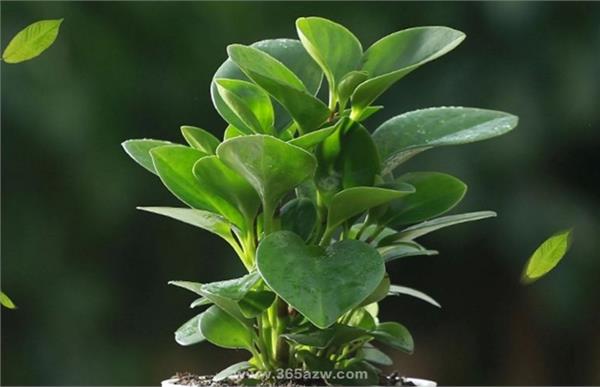
How to grow Peperomia
1. Substrate: It prefers to grow in loose, fertile, well-drained sandy soil rich in humus, and grows poorly in clay. Generally, the substrate can be prepared by mixing leaf mold + river sand + a small amount of decomposed organic fertilizer; if conditions permit, a mix of peat soil and perlite can be used for cultivation.
2. Light: It prefers semi-shade or scattered light. Apart from needing ample light in winter, it needs a little shading in the other seasons, and especially more shading in summer. If placed in a shaded environment, it tends to grow leggy, with longer internodes, reducing its ornamental value, which is also not advisable. Under semi-shade conditions, the leaf color is brighter and the gloss is better; especially for variegated varieties, the demand for sunlight is slightly higher.
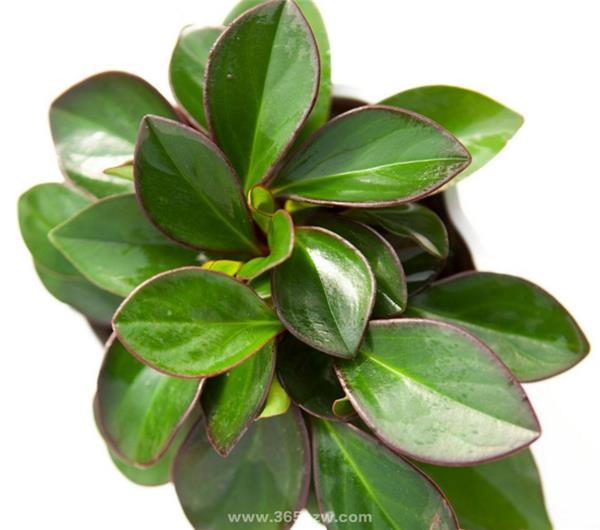
3. Temperature: It prefers a warm environment. The suitable growth temperature is between 20-30°C. The overwintering temperature is best kept above 10°C; below 10°C growth stops, and below 5°C it is prone to frost damage.
4. Humidity: It prefers a moist growing environment. Under high-humidity conditions it grows luxuriantly and the leaf color is vivid. When the temperature is high or the air is dry, leaf spraying should be increased or water sprinkled in the growing environment to maintain relatively high air humidity, which is extremely beneficial to the plant's growth. It can also adapt to short periods of dry environment, but not for long; generally it should be kept at around 70%.
5. Watering: It fairly likes water and does not tolerate drought. During the growing period it should be watered frequently. When the temperature is above 25°C or the air is dry, water more; but also prevent waterlogging. When the temperature is below 25°C, water thoroughly only when the surface of the potting soil is dry. When the temperature is below 10°C, it can tolerate several days of dryness without watering.
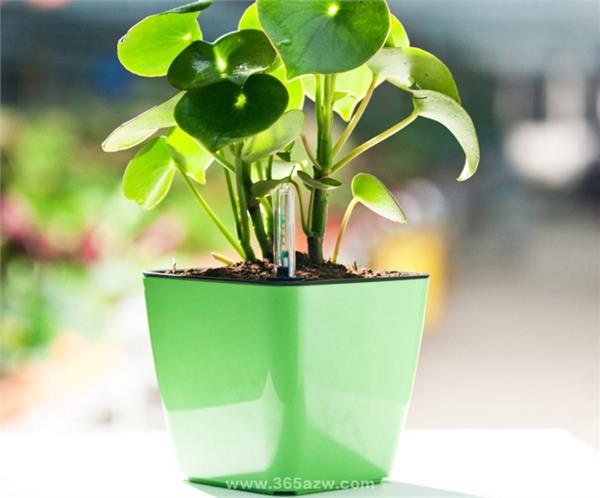
6. Fertilizing: When the temperature is above 18°C, a small amount of fertilizer is needed. When the temperature is below 18°C or above 30°C, it is best to fertilize less or not at all. Fertilizing is best done in small amounts and multiple times; watering with diluted fertilizer solution instead of clean water is best. It does not tolerate raw fertilizer or concentrated fertilizer, which easily causes fertilizer burn. Foliar spraying with fertilizer solution can also be used for fertilizing, with good results. The fertilizers are mainly nitrogen fertilizer and potassium fertilizer, with phosphorus fertilizer secondary.
7. Pruning and propagation: For newly propagated seedlings, when the seedling height is about 10 cm, pinch off the growing tips to increase the number of branches; this makes the plant shape fuller and its ornamental value higher. Pruning of large plants is generally determined by their growth vigor; cutting back leggy branches can serve as cutting material, as they root easily. They can be inserted in clean river sand or vermiculite, or directly inserted into sandy soil. Propagation can also be done by leaf cuttings and division. The ambient temperature generally required for propagation is between 20-25°C. Leaf cuttings need to have a petiole, inserted upright or slightly tilted into river sand, with the insertion depth being 1/4-1/3 of the petiole, keeping the substrate moist and the air humidity relatively high.
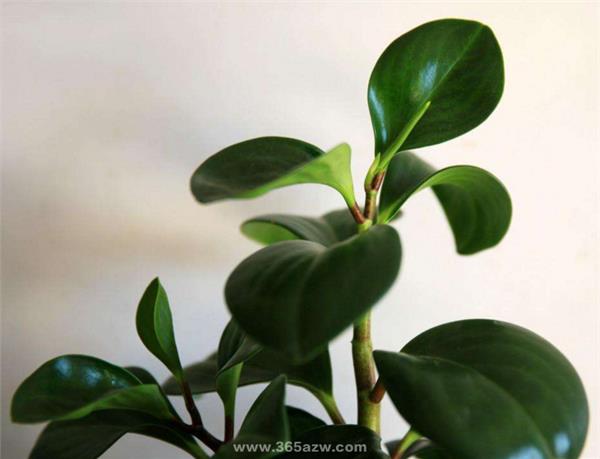
The role of Peperomia in the home
Peperomia, green-leaf peperomia, also called roundleaf peperomia, pepper grass, or emerald pepper grass, is actually a plant native to the West Indies, Panama, and northern South America. Peperomia generally prefers a warm, humid, semi-shaded environment. The suitable growth temperature for Peperomia is around 24°C, and it must not go below 9°C. Peperomia does not tolerate high temperatures and requires relatively high air humidity; at the same time, Peperomia avoids direct sunlight. Peperomia prefers loose, fertile, well-drained moist soil. Peperomia can also be used medicinally. Taken internally, Peperomia can dispel wind and dampness, relieve cough and reduce phlegm. Applied externally, Peperomia can treat bruises and fractures. Growing Peperomia at home can purify the air, absorb harmful gases, release oxygen, and beautify the environment; beside a computer it can also absorb radiation, being both attractive and healthy. In terms of appearance, Peperomia is fairly ornamental. It is an ornamental plant.
Peperomia is delicate and emerald green, suitable for home cultivation; occasionally it can also cultivate one's temperament, and it can bring a green space environment to the home. It has the function of absorbing electromagnetic radiation from mobile phones and other electrical appliances, and has a certain purifying effect on formaldehyde, xylene, and secondhand smoke, purifying indoor air and benefiting human health, making it suitable for planting at home.