How to Grow Bambusa multiplex and How to Fix Yellowing Leaves
Bambusa multiplex can absorb formaldehyde and purify the air. It is commonly grown in pots for ornamental display, accenting small courtyards and living rooms, and is also often used to make bonsai or as low hedge material. Below, let's look at how to grow Bambusa multiplex and what to do when its leaves turn yellow.
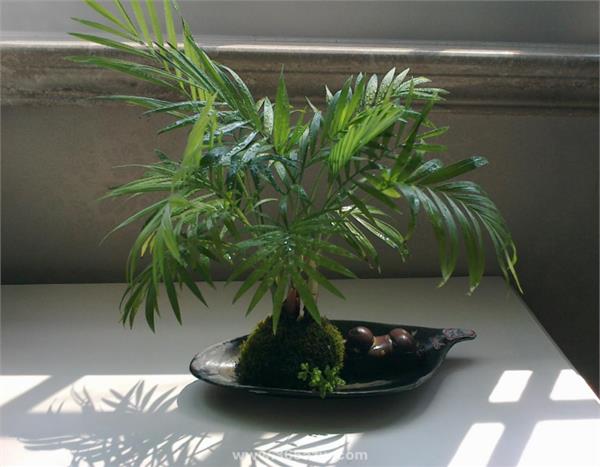
How to Grow Bambusa multiplex
1. Temperature: Bambusa multiplex is an evergreen clumping shrub. It prefers a warm, humid, and semi-shaded environment. Its cold tolerance is somewhat poor, it cannot tolerate strong sunlight or exposure, and it fears waterlogging. It does best in fertile, loose, well-drained loam. In winter, the temperature should not fall below 0°C.
2. Light: It likes light and tolerates slight shade, and prefers a warm, humid climate. It likes moisture and warmth, and also likes semi-ventilated and semi-shaded conditions. In winter it should be moved indoors to a sunny spot. Bambusa multiplex likes sunny, high, and airy places; there is a saying that "it thrives in the sun and should be planted on a high terrace." In spring, summer, and autumn, it only needs to be placed in a ventilated spot by a window, and in winter it can be placed in a sunny spot, and it will grow well. For Bambusa multiplex planted in the ground, new leaves sprout after spring (this is a response to cold), while in warm regions it remains evergreen all year round.
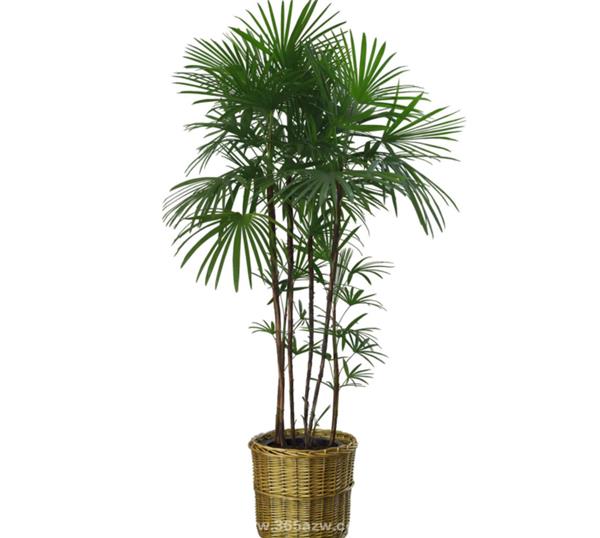
3. Soil: Bambusa multiplex prefers acidic, slightly acidic, or neutral soil, with a pH of 4.5 to 7.0 being suitable, and it dislikes heavy, alkaline soil. Soil in the north is strongly alkaline, so 0.2% ferrous sulfate can be added. The soil should preferably be loose, fertile, well-drained sandy loam; you can use farmland soil mixed with red-yellow soil, humus, and fine sand. If Pleioblastus fortunei is planted in ordinary potting soil, the survival rate is low; vermiculite or peat mixed with perlite can be used as the substrate, giving a higher survival rate. To maintain a graceful form, it is not demanding about soil; generally, loose sandy soil is sufficient.
4. Water: Bambusa multiplex likes moisture and fears water accumulation. After potting, the first watering should be thorough, and afterward the potting soil should be kept moist. Do not water too much, otherwise the rhizomes and roots are prone to rot. From potting to establishment, the leaves should also be sprayed with water frequently. If the potting soil lacks water, the bamboo leaves will curl; at this point, water promptly, and the bamboo leaves will unfold again. In summer, water once every 1 to 2 days on average; in winter, water less, but ensure the potting soil stays moist to prevent "dry freezing."
5. Fertilizer: Bambusa multiplex is mainly fertilized with organic fertilizer; decomposed livestock manure, garbage compost, and river mud are all suitable. Organic fertilizer is mainly used as a base fertilizer, mixed into the potting soil, generally at 10% to 15% of the potting soil volume. During the growing season, applying 1-2 times a month of dilute nitrogen fertilizer is sufficient for Bambusa multiplex.
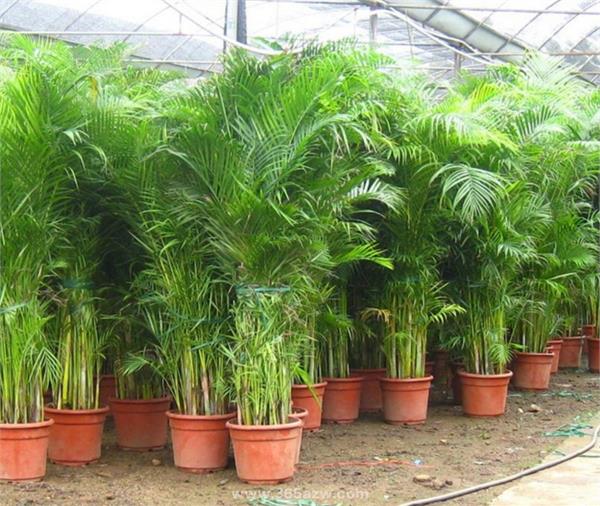
What to Do When Bambusa multiplex Leaves Turn Yellow
(1) Overwatering: If the potting soil stays too wet for a long time, it causes a lack of oxygen in the soil, makes some fibrous roots rot, hinders normal respiration and the absorption of water and nutrients, and causes leaves to turn yellow and drop. After damage occurs, the young leaves first turn pale yellow, and then the old leaves gradually turn yellow as well. Watering should be controlled immediately, fertilizing should be paused, and the soil should be loosened frequently so that the soil is well aerated.
(2) Drought and dehydration. Missing watering or long-term half-watering (that is, wet on top and dry below) affects nutrient absorption and also easily causes dull, lusterless leaf color and wilted, drooping leaves. First the lower old leaves age, then gradually turn yellow and drop from bottom to top. At this point, water lightly and spray water, and after it gradually recovers, return to normal watering.
(3) Long-term lack of fertilizer. If nitrogen fertilizer has not been applied for a long time or the pot and soil have not been changed, the soil lacks nitrogen and other nutrient elements, causing weak branches and leaves and thin, yellow leaves. The pot should be changed promptly, new loose and fertile potting soil should be used, and dilute decomposed liquid fertilizer or compound flower fertilizer should gradually be applied more.
(4) Excessive fertilizing. If too much fertilizer is applied, new leaves will be thick and fleshy and mostly uneven, while old leaves will dry at the tips, scorch yellow, and drop. Fertilizing should be stopped immediately, watering should be increased so that the fertilizer flows out through the drainage holes at the bottom of the pot, or the pot should be changed immediately, the soil ball rinsed with water, and then replanted in the pot.
(5) Hot, high temperatures. In summer, if flowers that prefer cool conditions (such as Cyclamen, Fuchsia, and Begonia semperflorens) are placed in a high-temperature spot and exposed to direct strong light, it very easily causes the tips and edges of young leaves to scorch, or leaves to turn yellow and drop. They need to be moved promptly to a well-ventilated, cool, shaded place.
(6) Excessive shading. If sun-loving flowers are kept for a long time in a shaded place or a spot with insufficient light, it will cause leggy branches and leaves, thin and yellow leaves, and no flowering or very little flowering. Take care to move the pot to a sunny spot.
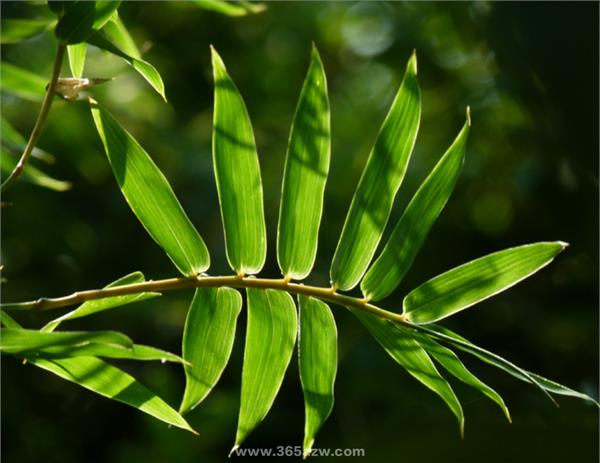
(7) Soil and water tending to be alkaline. In most areas of the north, the soil and water contain relatively more salt and alkali. When planting acid-loving flowers such as rhododendrons, camellias, Michelia figo, gardenias, orchids, Michelia alba, and osmanthus, because the soil lacks absorbable soluble iron and other elements, the leaves will gradually turn yellow. When planting, choose acidic soil, and during the growing period frequently water with alum fertilizer water.
(8) Too dense and poorly ventilated. If too much nitrogen fertilizer is applied, the branches and leaves grow too luxuriantly, and if they are not pruned for a long time, the inner branches and leaves do not get enough light, which easily causes leaves to turn yellow and drop. Fertilize reasonably and strengthen pruning so that air and light can penetrate.
(9) Dry air. When indoor air is overly dry, some flowers that like humid environments, such as spider plants and orchids, often show dry leaf tips or scorched leaf edges. Attention should be paid to methods such as spraying water and covering with plastic film to increase air humidity.
(10) Improper temperature. If the indoor temperature in winter is too low, flowers that like high temperatures are often susceptible to cold damage, which causes leaves to turn yellow and, in severe cases, to wither and die. If the indoor temperature is too high, the plant's transpiration is excessive, and the roots cannot supply enough water and nutrients, which also makes leaves turn yellow. Please pay attention to adjusting the indoor temperature promptly.
(11) Soil tending to be acidic. Red soil in the south tends to be acidic, and magnesium and other elements are easily lost. When planting trees and flowers that tolerate alkali or prefer slightly alkaline soil, such as oleander, boxwood, and winter jasmine, interveinal chlorosis and yellowing of old leaves often occur. Calcium magnesium phosphate fertilizer can be applied, or a magnesium sulfate solution can be sprayed.
(12) Damage from diseases and pests. Leaf spot disease caused by infection by fungi and other pathogens easily causes local necrosis of leaves, with yellow spots or patches appearing, and in severe cases the whole leaf withers, turns yellow, and drops. After infection by mosaic virus, yellow-green mottling appears on the leaves. When harmed by scale insects, red spiders, and others, leaves also become locally yellow and withered, or even the whole leaf yellows and drops. In all cases, pesticide should be sprayed promptly for control.
(13) Strong stimulation. When preventing and controlling diseases and pests, using pesticide at too high a concentration, or exposure to toxic gas pollution in the air, or suddenly watering with cold water when the temperature is high, can all easily cause the leaf tips or parts of the leaf surface to turn yellow and scorch, or even cause the whole plant to die.
the leaves will gradually turn yellow. When planting, choose acidic soil, and during the growing period frequently water with alum fertilizer water.(8) Too dense and poorly ventilated. If too much nitrogen fertilizer is applied, the branches and leaves grow too luxuriantly, and if they are not pruned for a long time, the inner branches and leaves do not get enough light, which easily causes leaves to turn yellow and drop. Fertilize reasonably and strengthen pruning so that air and light can penetrate.
(9) Dry air. When indoor air is overly dry, some flowers that like humid environments, such as spider plants and orchids, often show dry leaf tips or scorched leaf edges. Attention should be paid to methods such as spraying water and covering with plastic film to increase air humidity.
(10) Improper temperature. If the indoor temperature in winter is too low, flowers that like high temperatures are often susceptible to cold damage, which causes leaves to turn yellow and, in severe cases, to wither and die. If the indoor temperature is too high, the plant's transpiration is excessive, and the roots cannot supply enough water and nutrients, which also makes leaves turn yellow. Please pay attention to adjusting the indoor temperature promptly.
(11) Soil tending to be acidic. Red soil in the south tends to be acidic, and magnesium and other elements are easily lost. When planting trees and flowers that tolerate alkali or prefer slightly alkaline soil, such as oleander, boxwood, and winter jasmine, interveinal chlorosis and yellowing of old leaves often occur. Calcium magnesium phosphate fertilizer can be applied, or a magnesium sulfate solution can be sprayed.
(12) Damage from diseases and pests. Leaf spot disease caused by infection by fungi and other pathogens easily causes local necrosis of leaves, with yellow spots or patches appearing, and in severe cases the whole leaf withers, turns yellow, and drops. After infection by mosaic virus, yellow-green mottling appears on the leaves. When harmed by scale insects, red spiders, and others, leaves also become locally yellow and withered, or even the whole leaf yellows and drops. In all cases, pesticide should be sprayed promptly for control.
(13) Strong stimulation. When preventing and controlling diseases and pests, using pesticide at too high a concentration, or exposure to toxic gas pollution in the air, or suddenly watering with cold water when the temperature is high, can all easily cause the leaf tips or parts of the leaf surface to turn yellow and scorch, or even cause the whole plant to die.