These plants at the flower market should not be bought
Some friends have run into this: we see flowers at the flower market that look pretty good, take them home, care for them for a few days, and then find they have turned sickly. We then mistakenly assume we did something wrong in caring for them, but that is not the case. Some flowers at the flower market that look fine should not be bought. The editor has summed up the following five types. Take a look.
Flowers that have just been potted. When buying a flower, if you see fresh soil in the pot and the stem moves when you pull it upward, then this potted flower was surely potted only recently and has not yet grown new roots. Such flowers are very likely to wither and die after you buy them.
Flowers with two or more plants grown together. After buying such flowers, the leaves and branches they produce will gradually become thinner and turn yellow, and the flowers will bloom smaller and smaller. The reason is insufficient nutrients, and too many roots in the pot, which makes the soil prone to compacting. Of course, specially designed combination planters are not included in this.
Flowers with roots but no stems or leaves. Some individual vendors dig up wild vines and miscellaneous tree roots on the mountains in autumn and winter and sell them as flowers and trees. Because they have no stems or leaves, they are very hard to identify. They also make up strange flower names to specifically deceive inexperienced buyers.
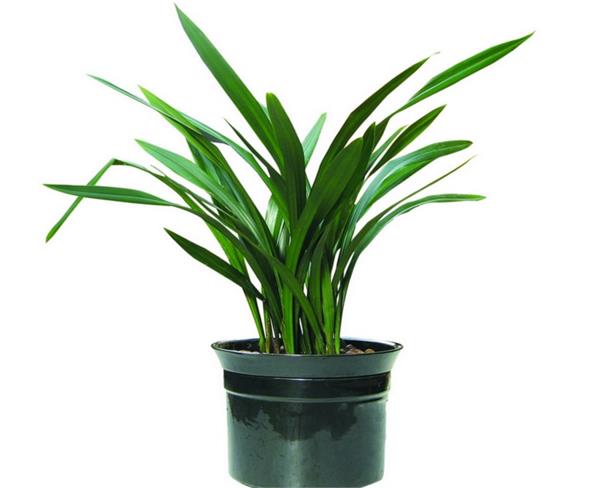
Display picture of potted orchids
Flowers whose branches and leaves have been tied into various shapes with thin wire. Such potted flowers look good at the time, but after a long time, as the plant grows, the shape will change. Moreover, tying all the branches and leaves of the plant at the same time not only affects photosynthesis, but also makes it prone to pests and diseases.
Cacti with small frost spots on the stem or ball. In winter, cacti are very susceptible to slight frost damage, and light green frost spots smaller than a grain of rice appear on the stem or ball. On the surface there seems to be no problem, but in reality the internal tissues of the plant have already suffered major damage. If no measures are taken after buying such flowers, the spots will grow larger and larger, and finally the whole plant will die.