How to Grow Peperomia rotundifolia? A Complete Guide to Care Methods
Peperomia rotundifolia, also known as round-leaf peperomia, is a perennial evergreen herbaceous plant in the genus Peperomia of the family Piperaceae. Some friends may not be particularly familiar with how to grow Peperomia rotundifolia, so today we will give a brief introduction for everyone. Let's take a look together.
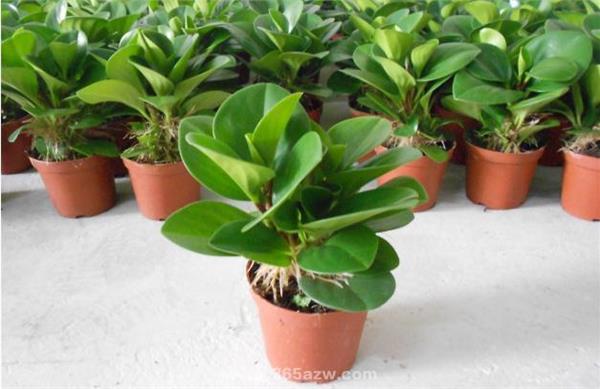
What Is Peperomia rotundifolia
Peperomia rotundifolia, also known as round-leaf peperomia, pepper elder, and emerald peperomia, is a perennial evergreen herbaceous plant in the genus Peperomia of the family Piperaceae. It is commonly grown in white plastic pots or white porcelain pots, with no main stem. The leaves are clustered, nearly succulent and rather thick, obovate, gray-green mixed with dark green vein patterns. The spike inflorescence is gray-white. Placed on a coffee table, display cabinet, or office desk, it looks very beautiful.
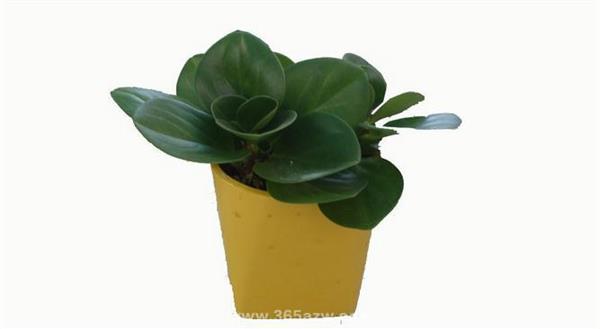
Propagation Methods for Peperomia rotundifolia
Cutting method: During April to May, select healthy top branches of peperomia, keep 1-2 leaves on the upper part, and take cuttings about 5cm long as cuttings. After the cut end dries, insert them into a moist sand bed. Peperomia can also be propagated by leaf cuttings: use a knife to cut off a leaf with its petiole, let it dry slightly, then insert it obliquely into the sand bed, and it will take root within 10-15 days.
Division method: This is mainly used for propagating variegated peperomia varieties. The potting soil can be made by mixing leaf mold with base fertilizer, peat soil, and some perlite or sand.
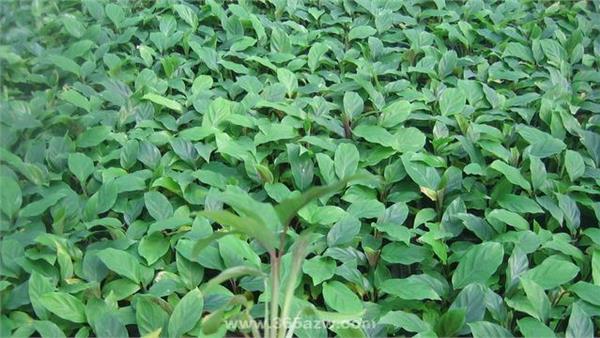
How to Grow Peperomia rotundifolia
Choosing a flower pot: This does not have very high requirements for the plant. You only need to buy a somewhat refined purple clay pot or a small porcelain pot from a flower market.
Potting soil: The soil for growing round-leaf peperomia is best a culture soil with relatively high humus content, and the potting soil can also be made by mixing 4 parts peat soil or leaf mold plus sawdust and perlite or river sand, with 3 parts garden soil.
Watering requirements: Watering in summer and winter is clearly different. Generally, in summer we can water once every 2-3 days, while in winter it is enough to reduce the frequency by half. During its growing period, we can spray water on its stems and leaves 1-2 times a day, which can effectively keep its leaves green and fresh. This is especially important during relatively dry climates and in high-temperature summer seasons.
Fertilization requirements: Peperomia rotundifolia has relatively strict fertilizer requirements, but it is also the most afraid of improper fertilization. You can choose to buy some fertilizers specially used for flowers from the market. For such a small potted plant, one bag of fertilizer can last about two months.
Temperature requirements: Because it is a plant that likes warmth, the best growing temperature is generally required to be between 18-30 degrees.
Environmental requirements: Within the growing space, the relative air humidity of the growing environment is best kept between 60-70 percent.
Light requirements: People who love plants should know that most indoor plants are afraid of strong direct light, so we generally only place it in semi-shade for care. Or we shade most of the strong direct light for it, and when growing it indoors, we should also try to place it in a bright location.