What Are Vines? A Comprehensive Guide to Vines
There are many kinds of plants, and one of them is the vine. Some friends may not be particularly familiar with vines, so today I will give you a brief introduction, and let us take a look together.

Introduction to Vines
Vines need to rely on other objects to grow or creep along the ground throughout their lives, but some plants change with the environment: if there is a support, they become vines, but if there is no support, they grow into shrubs. For example: some varieties in the Anacardiaceae and Solanaceae families. They use their extensive, firm root systems and vine wood to cover the ground, which can help conserve soil and water. In addition, when planted in harmony with large and small trees and shrubs, they increase the layering of the forest. In gardens, rocks are often adorned with vines, making them appear full of vitality, and this can also cover up local defects in the rocks.
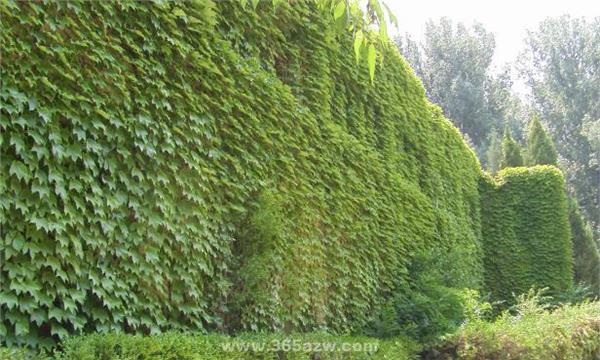
The Growth Habits of Vines
Vines can save the energy used for growing support tissue and can absorb sunlight more efficiently. For example, kudzu and Japanese honeysuckle have already become future invasive species in North America, successfully reproducing rapidly. There are also some vines that live in the tropics and are shade-tolerant, and in rainforests they can take advantage of the shade of large trees. Even without climbing, vines can spread rapidly on the ground and occupy a relatively large area. The vast majority of vines are flowering plants.
Vines are divided into many different types, and their climbing methods also differ: twining vines need objects they can wrap around. New shoots will wrap around the support as they grow. Sturdy posts and trellises can both serve as good supports. Examples of this kind of vine include kiwifruit, bougainvillea, American bittersweet, morning glory, Japanese honeysuckle, American wisteria and black-eyed Susan vine. All of these vines grow rapidly within a single season.
Vines with tendrils need thin string, wire or narrow supports to grab onto. This type of vine includes clematis, passionflower and grapevines. It is easy to make them grow in a predetermined direction, but do not let them climb onto trees. They can be used to beautify wire mesh fences, but extra wire or a trellis is needed for them to grow on wooden fences.

What Balcony Vines Are There
Morning glory is one type of vine. Its vitality is relatively strong, and it can quickly adapt to any environment. Moreover, this kind of plant changes with the seasons and has strong vitality. It can also absorb stale air indoors, making it suitable for growing on a balcony.
Rose is a plant with relatively high ornamental value, so it is one of the choices for balcony growing, and its flowers last relatively long, with fairly great ornamental value.
Climbing rose is a type that needs manual trellising and pruning. It is suitable for places with more sunlight, with different flower shapes, diverse flower colors, and a relatively long flowering period. It can bloom in three seasons, and when the flowers open in clusters they give off a strong fragrance. Therefore, growing it on a balcony is the best indoor cultivation.