What are radiation-resistant plants? A rundown of common varieties for you
There are many categories of plants, and one of them is radiation-resistant plants. Today we will give you a brief introduction to radiation-resistant plants, so let's take a look together.

What plants are radiation-resistant
1. Cactus
When it comes to which plants can resist radiation, the cactus is certainly the top choice. Cacti grow in deserts where solar radiation is extremely intense, and their ability to absorb radiation is very strong, so placing a pot of cactus next to a computer is ideal.
2. Golden barrel cactus
Commonly known as the grass ball, also called the long-blooming ball, it is a perennial succulent herbaceous plant of the Cactaceae family. The golden barrel cactus can absorb electromagnetic radiation, is also a natural air freshener, and additionally has the effect of adsorbing dust and purifying the air.
3. Graptopetalum
Graptopetalum has thick, fleshy leaves shaped like gemstones, with leaves overlapping together much like
a lotus, and it is praised as a flower that never withers. Succulent plants basically all have radiation-resistant effects, and Graptopetalum is one of them.

4. Spider plant
The spider plant has the ability to absorb toxic gases. Generally, if a pot of spider plant is kept in a room, the formaldehyde released into the air by smoking and building materials can be almost completely absorbed, thereby purifying the air.
5. Aloe
Aloe is a plant that stays green year-round, with thick, fleshy leaves. It has anti-inflammatory, antibacterial, detoxifying and anti-aging effects. It can prevent ultraviolet rays from harming the immune system and can absorb harmful gases in the air.
6. Boston fern
The Boston fern is a highly ornamental fern that is easy to grow and has strong vitality. The Boston fern has the effects of clearing heat, reducing swelling and detoxifying, and placing a pot of Boston fern next to computers and other electrical appliances can also absorb electromagnetic radiation.
7. Peperomia
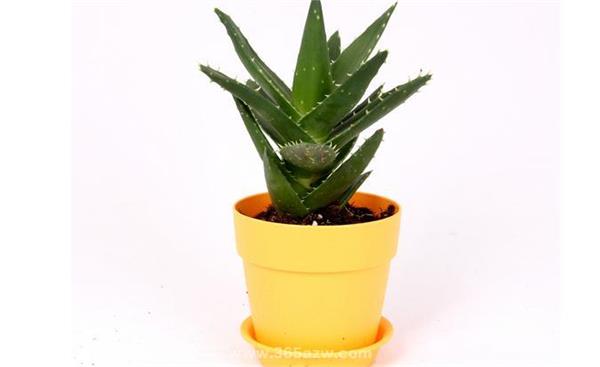
Peperomia is also called "green-leaf jade" or "jade flower". Its glossy green leaves are fresh and pleasing to the eye, and once the stems grow long they can serve a decorative purpose. It also has a certain purifying effect on formaldehyde, xylene and secondhand smoke.
8. Pothos
Pothos is a very common green plant, and it also has a nice name: golden pothos. Pothos has beautiful heart-shaped leaves and loves dark, humid environments. It can break down harmful substances in the air and convert them into substances it needs itself, thereby purifying the air.
9. Ivy
Ivy has an extremely strong pollutant-absorbing effect and can eliminate 90% of the benzene in a room. It is suitable for placement in offices and other spaces with more electromagnetic radiation, and has a good effect on absorbing electromagnetic radiation.
10. Narcissus
Narcissus blooms in early spring, likes sunlight and water, and can be grown hydroponically. The flowers of narcissus are quite beautiful and very attractive. After working for a long time, looking at the beautiful narcissus can bring a pleasant mood, and narcissus can absorb harmful substances such as mercury.
11. Monstera
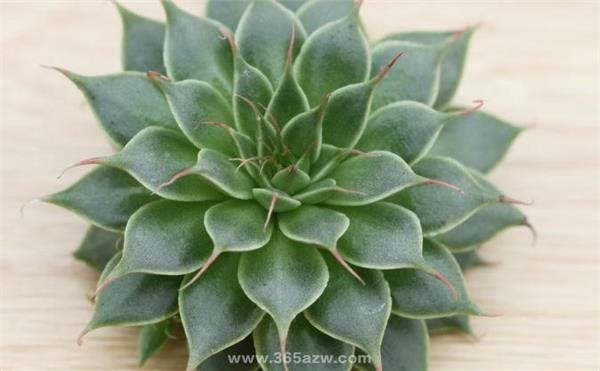
Monstera is an evergreen vine with thick stems. The young leaves are heart-shaped and have no holes; when mature, they become broadly ovate with deep pinnate lobes, with oval perforations between the veins, long petioles, and dark green color. It has a spadix inflorescence with a boat-shaped spathe, blooms in November, and is pale yellow.