What plants absorb formaldehyde? A roundup of common varieties
There are many pollutants from indoor renovation, and one of them is formaldehyde. There are many plants that absorb formaldehyde, and some friends may not be particularly familiar with them yet, so today I will give a brief introduction for everyone, let's take a look together.
What is formaldehyde
Formaldehyde is an important organic raw material, mainly used for artificial synthesis of adhesives. In industry, formaldehyde is commonly produced from methanol by catalytic oxidation. A 35-40% aqueous solution of formaldehyde is called formalin. Formalin has sterilizing and preservative abilities, and can be used to soak biological specimens; its dilute solution (0.1-0.5%) can be used in agriculture to soak seeds and disinfect them.
Plants that absorb formaldehyde
1. Golden pothos
As is well known, golden pothos is hailed as the flower of life and is a wonder tool for removing formaldehyde. It is not only easy to grow, but also brings environmental benefits to people. When a new home has just been renovated, the floors and walls will produce harmful substances such as benzene and formaldehyde. Golden pothos has an extremely strong adsorption capacity and plays a role in purifying the air. One pot costs about 10 yuan, making it economical and practical.
2. Spider plant
Known as the "king of formaldehyde removal," the spider plant has strong photosynthesis at night and can absorb more than 80% of toxic gases indoors. Placing one pot of spider plant in a room of 8-10 sq m is equivalent to an air purifier. Moreover, the spider plant's decorative effect is also great; it can be hung on the wall without taking up any space at all, truly achieving two benefits at once.
3. Ivy
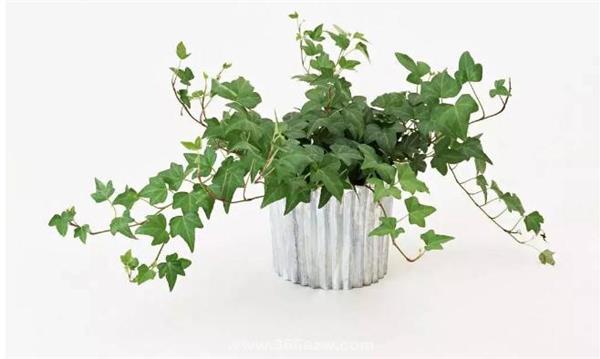
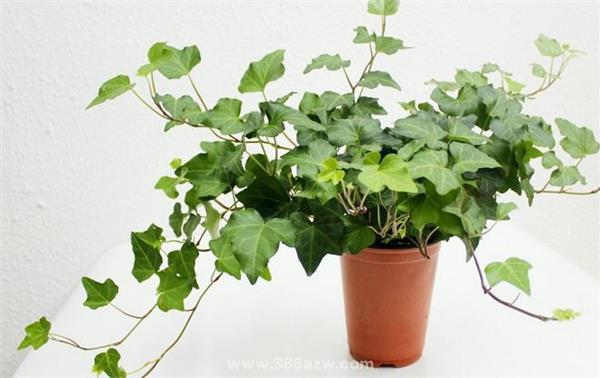
According to environmental protection experts, this is currently the most effective indoor formaldehyde-absorbing plant. It can not only remove indoor formaldehyde, but also effectively adsorb indoor particulate dust, making it an excellent plant for indoor air purification. Ivy generally grows in an environment of 20-25°C, has strong reproductive capacity, and is highly adaptable and easy to keep alive.
4. Peace lily
Hearing the name may feel a bit unfamiliar, but it is relatively common in daily life. The peace lily is a hydroponic plant and has low requirements for its growing environment. The main effect of the peace lily is to absorb waste gas exhaled by the human body and formaldehyde released indoors. Do not underestimate this leaf, its effect is great.
5. Schefflera
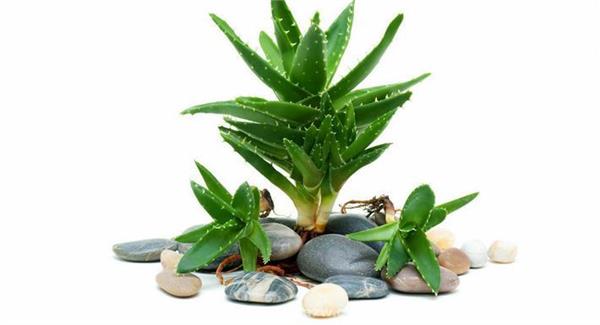
Schefflera is good news for smoking households. It can absorb nicotine diffused in the air and then, through its own transformation, release it as a non-toxic and harmless substance. It is unavoidable for men to smoke, so it is better to keep a pot of schefflera at home. The cost is about 20 yuan, yet it is a matter of countless benefits and no harm.
6. Cuban oregano
As the name suggests, you can tell from the name that it can absorb toxins. Cuban oregano can achieve 92.4% formaldehyde adsorption within 3 hours and 98.5% within 72 hours, so it is not an exaggeration at all to call it a toxin-absorbing plant. Moreover, it can also absorb harmful substances such as benzene, toluene, and xylene, so its functions are very powerful.
7. Monstera
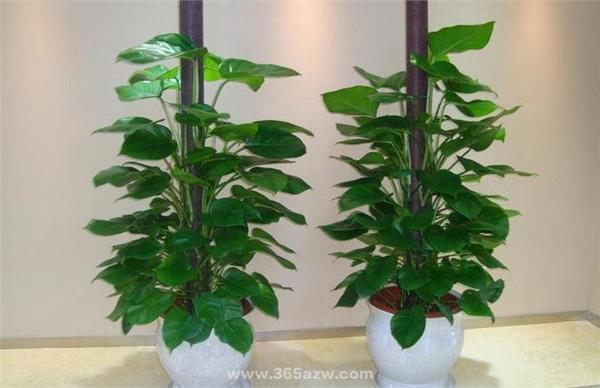
The most obvious effect of monstera is that it can absorb carbon dioxide at night and then release oxygen, giving people a comfortable sleeping environment. Although it cannot compare with plants such as golden pothos and spider plant in removing formaldehyde, its ability to absorb carbon dioxide and improve the indoor environment should not be underestimated, making it very suitable to place a pot in the bedroom.