What office plants are there? A detailed introduction to common varieties
Many office workers place plants in their offices, as this can decorate the office. Today I will give you a brief introduction to office plants, so let's take a look together.
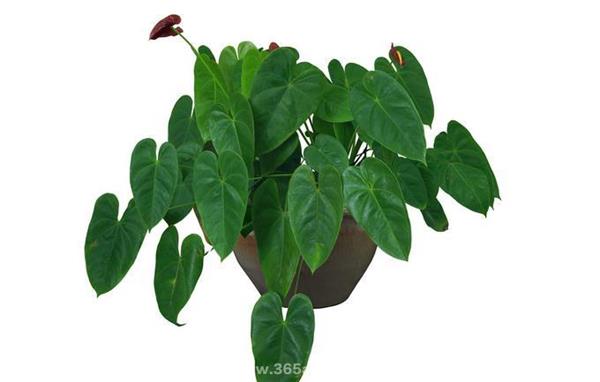
What office plants are there
1. Weeping fig (Ficus benjamina)
The weeping fig is a very effective air purifier. This type of plant shows many excellent characteristics. It can raise the humidity of a room, which is good for our skin and breathing. At the same time, it can also absorb formaldehyde, xylene and ammonia and purify murky air.
2. Dragon tree (Dracaena)
Its charming appearance and its ability to adapt to the dim, dry environment of an office have made it a favorite of interior designers. With just a little care, it can grow for a long time and bring high-quality air. In terms of suppressing harmful substances, few other plants can compare with the dragon tree. Its leaves and roots can absorb xylene, toluene, trichloroethylene, benzene and formaldehyde, and break them down into non-toxic substances.
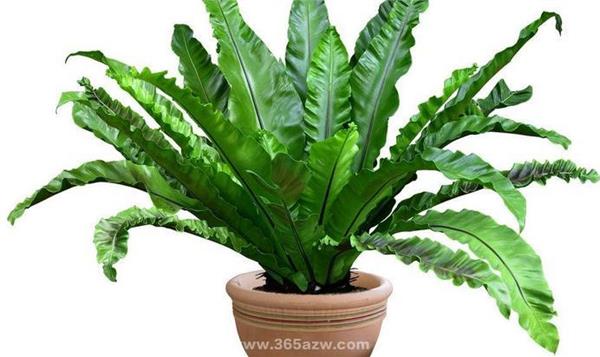
3. Golden pothos (Epipremnum aureum)
It can "work" in environments where other indoor plants cannot adapt. Through a process similar to photosynthesis, it can break down toxic substances released from fabrics, walls and smoke into substances of its own. The beautiful heart-shaped leaves of the golden pothos have a unique decorative quality, especially when it hangs outside a hanging pot. This type of plant is easy to care for and can grow well even in a dark environment, making it the best choice for beginners.
4. Spider plant (Chlorophytum comosum)
According to research, the spider plant has the function of absorbing toxic gases. Generally, if one pot of spider plant is kept in a room, the formaldehyde released into the air by smoking and building materials can be almost completely absorbed, which purifies the air and also helps protect the human body.
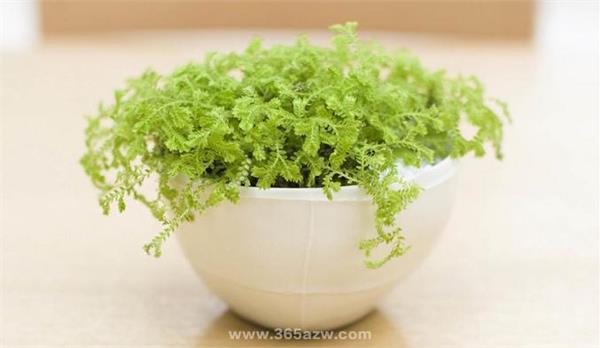
5. Ball cactus
When it comes to office flowers, the ball cactus is of course the first choice. The ball cactus has high ornamental value in its stem, leaves and flowers, and it is an artistic masterpiece among hydroponic flowers. The most critical reason for recommending the ball cactus is that it can absorb electromagnetic radiation, is also a natural air freshener, and also has the effect of absorbing dust and purifying the air.
6. Aloe (Aloe vera)
General plants absorb carbon dioxide and release oxygen during the day through photosynthesis, but because aloe is a "succulent plant", it absorbs a large amount of carbon dioxide during the day and then slowly releases oxygen at night. It also has a certain effect in absorbing odors and beautifying the room.
7. Water bamboo (Cyperus alternifolius)
It has a naturally quiet posture, with upright stems and lush leaves, clear layers, elegant and natural, and evergreen all year round. It is an excellent item for indoor display and also a good material for cut flowers. Its care is simple, its management is low-maintenance, and it can be grown in water or in pots. Therefore, it is deeply favored by bonsai enthusiasts.
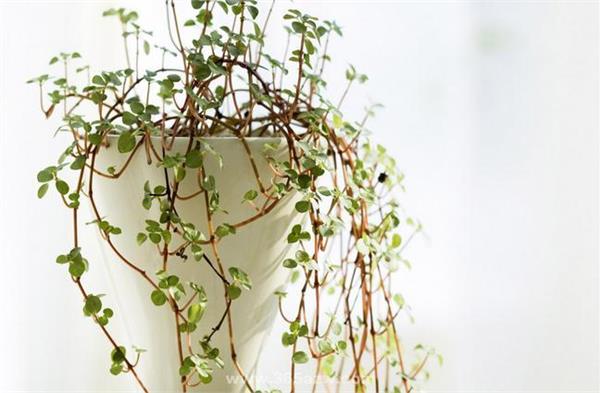
8. Asparagus fern (Asparagus setaceus)
The asparagus fern can not only improve cultural cultivation, but also have a certain regulating effect on people with liver disease, depression and low mood. At night, in addition to absorbing harmful gases such as sulfur dioxide, nitrogen dioxide and chlorine, the asparagus fern can also secrete gases that kill bacteria, reducing the occurrence of infectious diseases such as colds, typhoid and laryngitis, which is very beneficial to human health.