What are the poisonous plants? A rundown of common poisonous plants
There are many poisonous plants, and some friends may not be particularly familiar with them, so today we will give you a brief introduction to common poisonous plants. Let's take a look together.

Common poisonous plants
1. Black nightshade
Its alkali action resembles that of saponins and can dissolve blood cells. Overdose poisoning can cause headache, abdominal pain, vomiting, diarrhea, dilated pupils, heartbeat first fast then slow, mental confusion, and even coma.
2. Coral cherry
The whole plant is poisonous, and the leaves are more toxic than the fruit. If humans or livestock eat it by mistake, it can cause poisoning symptoms such as dizziness, nausea, drowsiness, severe abdominal pain, and dilated pupils, but its roots can be used medicinally.
3. Anthurium
The flowers have mild toxicity, and there will be no problem as long as they are not eaten by mistake. Wash your hands each time you prune the branches and leaves. Its toxicity mainly comes from the sap, so with a little care there is no problem. Anthurium belongs to the Araceae family, and many plants in it are poisonous, but as long as you do not come into too close contact with it, there is no problem. Anthurium can be kept at home; it has mild toxicity, but it is best placed outdoors.
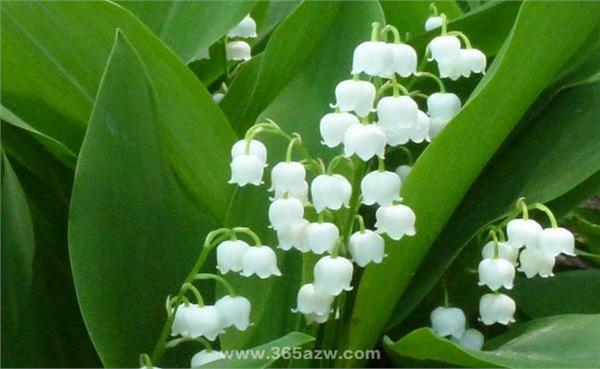
4. Crown of thorns
The white milky sap secreted from the wounds of the plant has an irritating effect on human skin and mucous membranes, and eating it by mistake can cause nausea, vomiting, diarrhea, dizziness, and so on. When grown at home, as long as you do not casually break off the flowers for children to play with, it will not cause harm.
5. Oleander
It blooms in spring, summer, and autumn every year. It is a flower that can be both ornamental and medicinal, but can also poison people. Its stems, leaves, and even flowers are poisonous, and if its scent is smelled for too long, it can make people drowsy and reduce mental acuity. The milky white sap it secretes can cause poisoning if eaten by mistake.
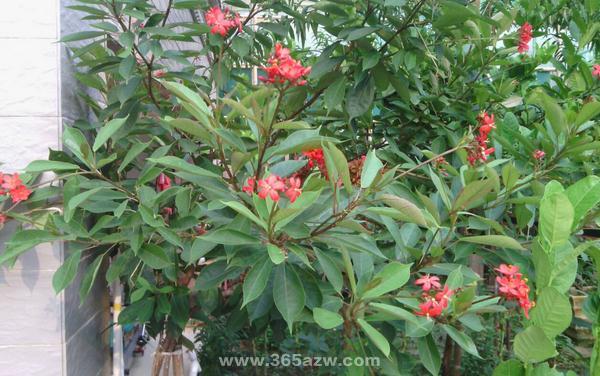
6. Poinsettia
The whole poinsettia plant is poisonous, especially the white sap in the stems and leaves, which can irritate the skin and cause redness and swelling and trigger allergic reactions. If the stems and leaves are eaten by mistake, there is a risk of poisoning and death.
7. Foxglove
Foxglove is an important cardiotonic drug. It can excite the heart muscle, strengthen the contractility of the heart muscle, improve blood circulation, or directly inhibit the intracardiac conduction system and slow the heart rate. It is mainly used to treat chronic congestive heart failure and has a significant diuretic and swelling-reducing effect on cardiac edema, but it has a cumulative effect and must be used with caution. Because the distance between the therapeutic dose and the toxic dose of digitalis drugs is very small (it is generally considered that the therapeutic dose is about 60% of the toxic dose and 10 to 20% of the lethal dose), poisoning is very easy to occur. The whole plant is poisonous and is used medicinally for its cardiotonic effect.
8. Narcissus
Growing it at home is generally no problem, but do not break its bulb, because it contains lycorine, and eating it by mistake can cause vomiting and enteritis; the sap of the leaves and flowers can cause skin redness and swelling, and be especially careful not to get this sap into your eyes.
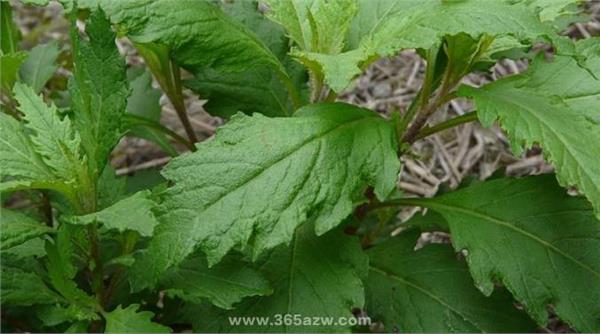
9. Corn poppy
The whole plant is poisonous and contains toxic alkaloids, with the fruit being the most toxic. If eaten by mistake, it will cause central nervous system poisoning, and in severe cases it may even endanger life.
10. Night-blooming jasmine
At night, after photosynthesis stops, it releases a large amount of waste gas. This waste gas smells very fragrant, but it is unfavorable to human health. If it is kept indoors for a long time, it can cause dizziness, coughing, and even asthma and insomnia. Therefore, place night-blooming jasmine indoors during the day, and move it outdoors in the evening.