Is the Epiphyllum easy to grow? Cultivation methods and solutions for when it does not bloom
Although its name contains the word "lotus," it is not the lotus we commonly see. In fact, it is a variety of cactus. Because its stems are flat and lance-shaped, resembling an arrow token, and its flowers resemble water lilies, it got the name Epiphyllum. So are the cultivation methods for Epiphyllum difficult? Below, let us take a look at an introduction to Epiphyllum cultivation methods and related information on what to do if Epiphyllum does not bloom.
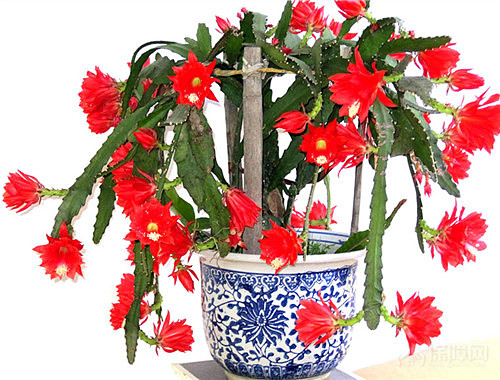
Are the cultivation methods for Epiphyllum difficult?
1. Soil
As for soil, it has no special requirements, so as long as the soil used for cultivation is not compacted, ordinary soil can be used. However, it is still recommended to choose loose, fertile, well-drained sandy loam.
2. Watering
It is relatively tolerant of dryness, so when watering, the principle to grasp is that there should be no standing water in the pot, otherwise it will cause root rot. Also, when flower buds have appeared but have not yet opened, watering should not be excessive, otherwise it will cause flowers and buds to drop. However, in the dry and windy spring and the hot summer, it is necessary to frequently spray the modified stems with clean water and sprinkle water on the ground around the flower pot to maintain relatively high air humidity, which is beneficial for growth and flowering.
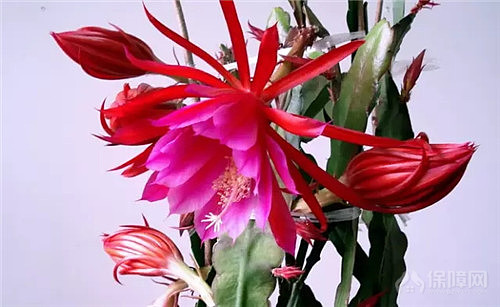
3. Fertilizing
In terms of nutrition, it relatively prefers fertilizer, especially during its growing period when it needs more nutrients. So during its growing period, apply 1 time of fully decomposed dilute cake fertilizer water about every 15-20 days. After Spring Festival, change to applying liquid fertilizer 1 time every 10 days, and promptly remove excessive lateral buds and branch buds sprouting from the base to reduce nutrient consumption and keep the plant shape neat and attractive. During the bud stage, apply 1-2 additional applications of quick-acting phosphorus fertilizer to promote larger flowers and brighter colors.
4. Light
Although it likes warmth, it should not be exposed to direct sunlight when receiving light, especially in the hot summer. It is best to place it under a shade shed and frequently spray water around the pot to increase air humidity. In addition, Epiphyllum is not cold-tolerant, so in winter it should be placed in a place with sufficient sunlight.
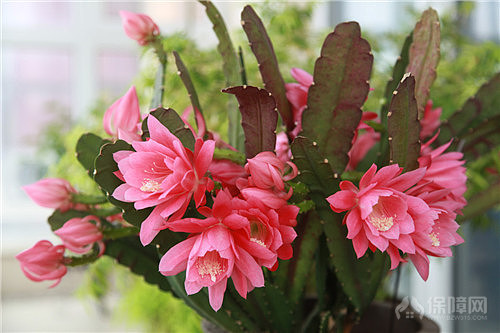
5. Pruning
To make it grow more shapely and more attractive, there is another very important thing during cultivation, and that is pruning. When pruning, the modified stems should be evenly and neatly distributed on the support and tied up. This can prevent breakage and also facilitate ventilation and light transmission, making the plant shape symmetrical and attractive. In addition, small, weak, and excessive stems should be cut off, leaving the stronger and larger ones so that beautiful flowers can bloom the following year.
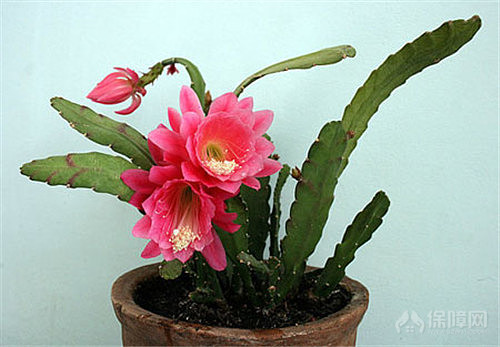
What to do if Epiphyllum does not bloom
1. After reading the above introduction to cultivation methods, do you also feel that Epiphyllum cultivation methods are actually not difficult? However, some people still say that the Epiphyllum they grow only grows stems and does not bloom. So what is the reason for this situation, and what should be done?
2. In fact, there are several reasons for this situation, such as not receiving sufficient light, or watering too frequently, or watering too much. So we can move it to a place with relatively sufficient scattered light and good ventilation, and watering should not be excessive.
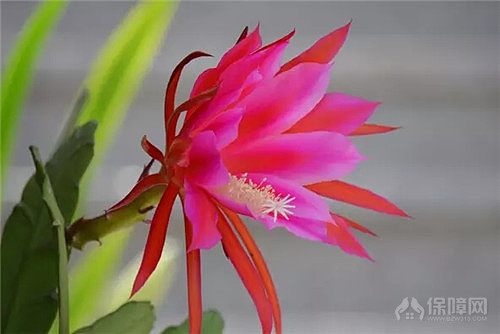
After reading the above related introduction, I believe everyone has a clearer understanding of it. In fact, it also has many varieties, and the flower colors are even more brilliant and colorful, so it has become an excellent choice for decorating windowsills, balconies, and entrance halls. Alright, if you also want to grow it, you can refer to the above Epiphyllum cultivation methods.