What are the cultivation methods for Monstera deliciosa?
Many friends are not particularly familiar with the cultivation methods for Monstera deliciosa, and problems often arise when growing it. Today I will briefly introduce the cultivation methods for Monstera deliciosa, so let's take a look together.
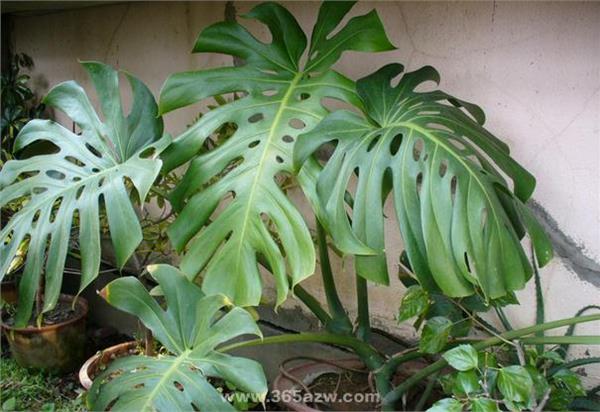
Morphological characteristics of Monstera deliciosa
The stem is green, thick and sturdy, ringed around its circumference, otherwise smooth; the petiole is green. The leaves are large, heart-shaped ovate in outline, thick and leathery, glossy on the surface, light green above and greenish-white beneath. The spathe is thick and leathery, broadly ovate, boat-shaped, nearly upright. The spadix is nearly cylindrical, pale yellow. The staminal filaments are linear. The pistil is top-shaped, yellow, slightly raised. The berries are pale yellow, with greenish-purple spots around the stigma. The flowering period is August-September, and the fruit ripens after the flowering period of the following year.
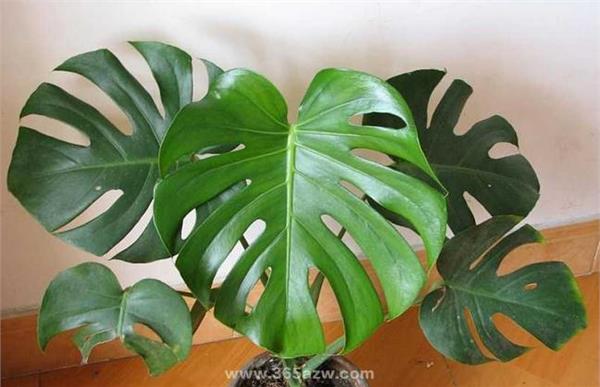
The role of Monstera deliciosa
The plant form of Monstera deliciosa is very elegant, with peculiar leaf shapes, remaining jade-green all year round, so fresh and green it seems about to drip, and aerial roots that extend very long and can coil around, quite charming, giving people a special sense of beauty; it is an outstanding member of foliage flowers. Large Monstera deliciosa plants are suitable for large placements in entrance halls, living rooms and conference rooms, while small and medium-sized plants are suitable for home placement, giving the environment an elegant atmosphere. In some places it is planted beside trees or in slightly shaded spots such as house corners, allowed to grow and climb freely, growing extremely luxuriantly.
Besides beautifying and being ornamental, the flowers and fruits of Monstera deliciosa also have a certain edible value. The spadix is tender and juicy, and in the places where Monstera deliciosa originates it is mostly eaten as a superior vegetable, cool and refreshing. The yellow bracts outside the inflorescence are quite thick and fleshy, and can be eaten raw or coated in batter and fried in oil. The flavor of Monstera deliciosa berries is even better; they can be eaten as a fruit, tasting similar to pineapple, and can also be made into a beverage to drink, with an excellent taste.
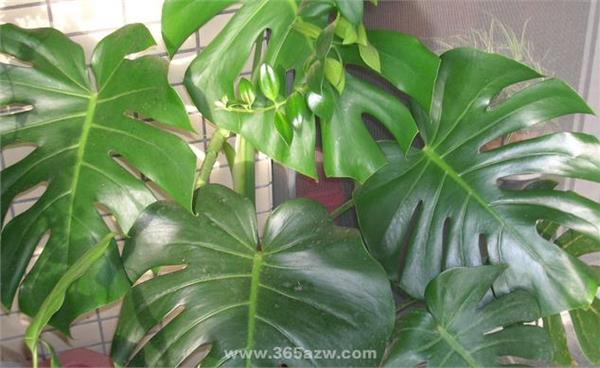
Cultivation methods for Monstera deliciosa
1. Soil selection
Monstera deliciosa is not very strict about soil requirements, and loose, fertile soil is suitable. For pot cultivation, usually 3 parts leaf mold, 3 parts compost soil and 4 parts river sand are mixed to prepare the growing medium, or 2 parts aged loess, 1 part honeycomb coal ash and 1 part chicken manure are mixed to prepare the growing medium.
2. Watering method
Summer and autumn are the peak growing seasons; water 1-2 times a day, always keep the pot soil moist, and spray water on the leaf surface and surroundings every day to keep the leaves fresh and tender green. In spring and autumn, water once a day; in winter, water once every few days.
3. Fertilization method
Monstera deliciosa is a relatively fertilizer-tolerant foliage plant. During its growing period, apply nitrogen fertilizer 1-2 times a month, and when fertilizing be careful not to let the fertilizer solution stain the leaf surface. The roots of Monstera deliciosa are relatively tender, and raw fertilizer and concentrated fertilizer should be avoided to prevent root burn.
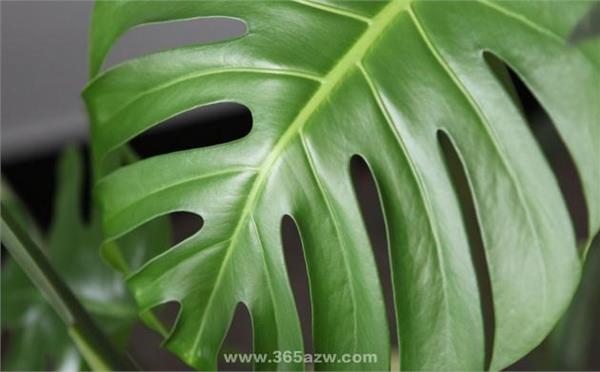
4. Light management
Monstera deliciosa is a foliage plant with fairly strong shade tolerance and can be kept for a long time in a ventilated spot near a window. Large-scale production requires shade facilities, and a 50% shade net can be used; especially for sown seedlings and newly rooted cuttings, direct sunlight must be avoided to prevent leaf scorch. Mature plants should also be shaded during midsummer, otherwise the leaves age and lack natural luster, affecting ornamental value; in winter they can be placed in a sunny spot indoors.
5. Method of setting up supports and tying
The stems of Monstera deliciosa are thick and the leaves large; especially when dividing adult plants, supports should be set up and tied to prevent lodging and deformation. After the shape is fixed, the supports are removed. When the stem nodes and leaves grow too densely and the branches and vines grow too long after the shape is fixed, pay attention to pruning the whole plant.