Detailed Introduction to the Cultivation Methods of Hydroponic Pothos
Many friends are not particularly familiar with the methods of hydroponic pothos, so today I will give you a brief introduction to the methods of hydroponic pothos. Let's take a look together.
What Is Pothos
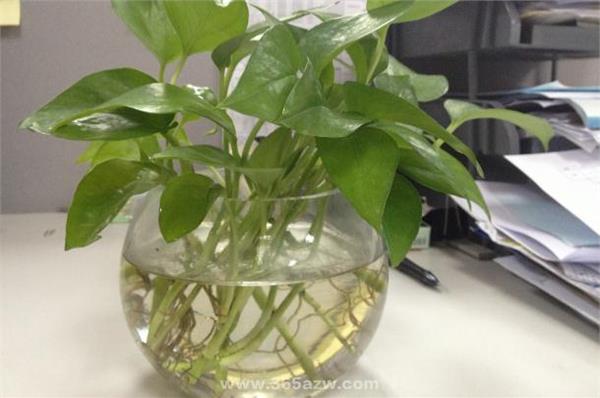
Pothos is a tropical plant that grows year-round in tropical regions, and its climbing ability is extremely strong. If its growing environment can be kept favorable, pothos can grow into a large vine plant. The leaves of pothos are not very large, but because pothos itself has a well-developed root system, its leaves grow very densely, showing a green color with a few yellow spots. Placing it at home, in the office, or in other places can all produce very good effects.
Methods of Hydroponic Pothos
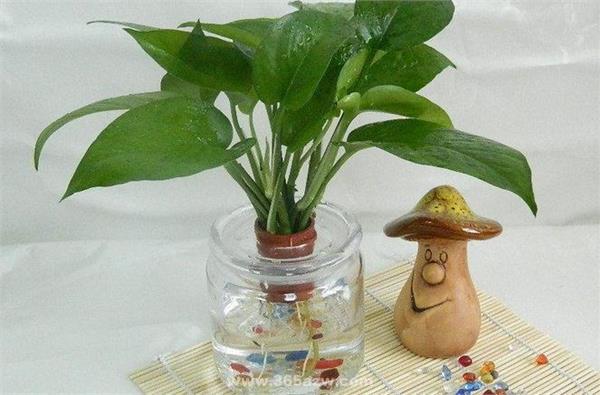
1. Choice of hydroponic container: A vase, beaker, or any other transparent container (such as a glass bottle) can all be used.
2. Choice of water: Water is a key element for hydroponic pothos. Tap water, well water, clean drinking water, etc. can be used, but they should be left to stand for one or two days before use.
3. Cutting method: It is best to choose healthy, strong pothos stems with aerial roots as the hydroponic subject. The length of the branch should be 15cm to 30cm. Basically, remove the leaves from 1 to 2 nodes and then place it in water. You can also choose a potted plant with a relatively good plant shape, wash the soil off the roots, and cut off excess old roots before placing it in clean water; it will also easily survive.
4. Water-changing cycle: In the early stage of hydroponics, change the water frequently, once every 2 to 3 days. After rooting, change it once every 7 to 10 days. You can buy hydroponic acclimation solution to reduce inflammation and sterilize, and promote root growth.
5. Root pruning: If the roots are too long, cut them shorter in time to prevent nutrient loss. If the roots become rotten and sticky, they should also be cleaned in time, the rotten roots cut off, and soaked in potassium permanganate solution for disinfection before resuming care. Change the water according to the early hydroponic stage.
6. Temperature and light: In winter in the north, a room temperature above 10°C allows it to overwinter safely, and only above 20°C can it grow normally. At the same time, pay attention to avoiding excessive temperature differences, and it must not be placed near heating equipment. Hydroponic pothos needs sufficient scattered light to make the leaves spread out and stay emerald green. It should be placed in a place with sufficient scattered light, such as a sealed balcony with light or a spot indoors with good light.
7. Humidity: There are several ways to increase humidity: stay close to a humidifier, use a sprayer to spray the leaves, stems, and aerial roots, gently wipe the leaf surface with a cold wet towel or toilet paper, and spray water at the place where the aerial roots grow.
Precautions for Hydroponic Pothos
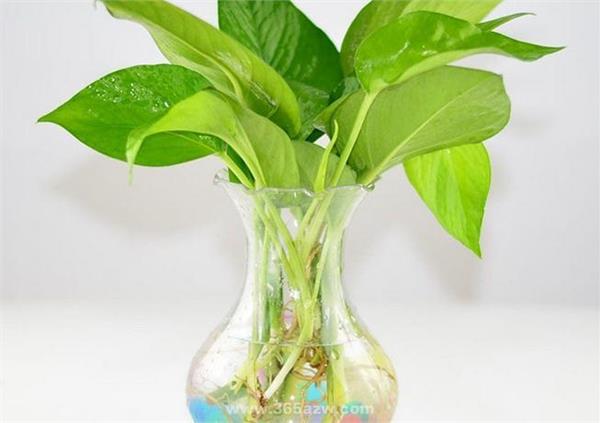
Too little light is not good: For hydroponic pothos, the placement location must be chosen well. It cannot be placed in a place with too little light for a long time, as that will make the stems lack toughness, not plump, the internodes become longer, the plant shape collapses, and the leaves will turn yellow, the white stripes fade, and the leaves will not grow due to lack of nutrients, which will cause new leaves to become smaller.
Regularly supplement nutrients: During the growth period, you can prune it appropriately to encourage new tender buds to grow, which also makes it look more beautiful. You should also keep the leaves clean at all times. From time to time, you can use a small spray nozzle to wash the leaves and keep them bright and clean. During this period, nutrients should also be supplemented regularly. Each dose should be small rather than large; too much will lead to excessive nutrients, and that is not conducive to the growth of pothos.
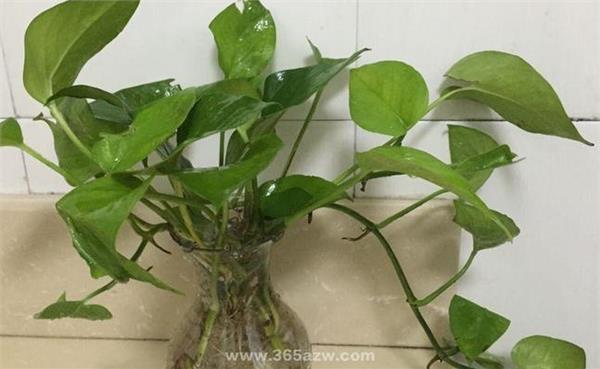
Clean water quality: If root rot is found, please remove it in time, and also pour out the water. You can consider whether there is a problem with the water quality. You can choose clear clean water. If it is not removed in time, it will affect the growth of the entire pot of plants.