How to grow Ixora? Cultivation methods and precautions
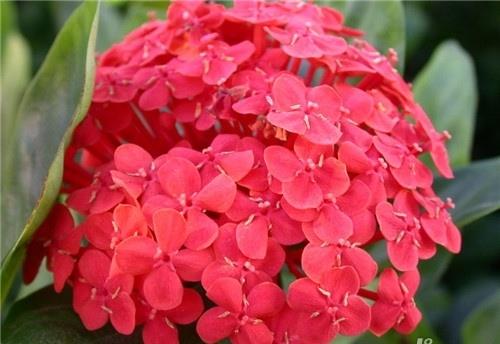
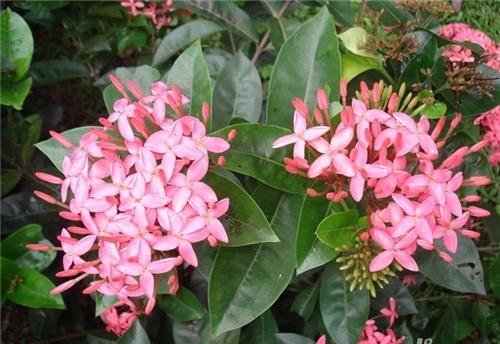
Ixora is loved by many people because of its beautiful flowers and leaves, rich flower colors, and dense blooms; it is popular for flowering throughout the year, and Ixora is also the national flower of Myanmar. Therefore, many people grow Ixora on their own. Below, let us learn together about how to grow Ixora and the precautions for growing Ixora.
Cultivation methods for Ixora
1. Soil: Fertile, loose, well-drained acidic sandy loam is best. For pot cultivation, use a mixed soil of culture soil, peat soil and coarse sand, with a pH of 5-5.5 being suitable.
2. Watering: Ixora likes moisture and fears dryness. During the stem and leaf growth period, sufficient water is needed; keeping the potting soil moist is beneficial for sprouting shoots and leaf growth. However, being too moist for a long time can easily cause part of the root system to rot, affecting growth and flowering. If the soil is too dry or alternates between dry and wet, and water is not supplied in time, leaf drop will occur.
3. Sunlight: Ixora needs sufficient sunlight, especially during the stem and leaf growth period. Under sufficient sunlight, the leaves are emerald green and glossy, which is beneficial for flower cluster formation, neat flowering, and bright flower colors. It can also grow in a semi-shaded environment, but the leaves will be pale green and lack gloss, with fewer flowers and lighter flower colors. However, proper shading during strong summer light can extend the flower-viewing period.
4. Temperature: The suitable growth temperature for Ixora is 15-25°C, from March to September it is 24-30°C, and from September to the following March it is 13-18°C. The winter temperature should not be lower than 0°C; if too low, it is prone to frost damage. On the contrary, Ixora is tolerant of high temperatures and still grows normally above 32°C. Overall, Ixora has relatively strong adaptability to temperature.
5. Fertilization: During the growth period, apply once every half month a liquid fertilizer made by mixing nitrogen, phosphorus, potassium, ferrous sulfate and horse hoof slices in a ratio of 1:1:1:2:3, adding water, and fermenting until decomposed.
6. Pruning: Pruning is mostly carried out after the plants are moved outdoors in spring, mainly to properly thin out the branches of the plant to facilitate ventilation and light penetration. In addition, proper pinching during the flowering period can make it produce more buds and flowers.
7. Pests and diseases: Common diseases of Ixora include leaf spot, anthracnose and sooty mold. If they occur, ventilation should be improved in time and water and fertilizer management should be done well; carbendazim 800-fold solution can also be sprayed for prevention and control. Common pests include scale insects, red spiders and aphids. If such pests appear, when there are few, they can be manually caught and killed; when there are many, it is necessary to use 40% omethoate emulsifiable concentrate 1500-fold solution for spraying and killing, as well as 2.5% derris extract emulsifiable concentrate 1200-fold solution for spraying and killing.
8. Propagation: Ixora is best propagated by cuttings; this method is easy to survive, and the mature plants flower very quickly. Cuttings should be taken in March and April each year, and two-year-old branches that have already become woody are best. After cutting, Ixora will take root in about 35 days, and after 60 days the seedlings can be transplanted into pots.
Precautions for growing Ixora
Ixora likes a warm, humid environment with sufficient sunlight. It is not cold-tolerant, tolerates semi-shade, and is not tolerant of waterlogging or strong light. The suitable growth temperature for Ixora is 15-25°C, from March to September it is 24-30°C, and from September to the following March it is 13-18°C. The winter temperature should not be lower than 0°C; if too low, it is prone to frost damage. On the contrary, Ixora is tolerant of high temperatures and still grows normally above 32°C.
Overall, Ixora has relatively strong adaptability to temperature. Ixora likes moisture and fears dryness. During the stem and leaf growth period, sufficient water is needed; keeping the potting soil moist is beneficial for sprouting shoots and leaf growth. However, being too moist for a long time can easily cause part of the root system to rot, affecting growth and flowering. If the soil is too dry or alternates between dry and wet, and water is not supplied in time, leaf drop will occur.
Ixora needs sufficient sunlight, especially during the stem and leaf growth period. Under sufficient sunlight, the leaves are emerald green and glossy, which is beneficial for flower cluster formation, neat flowering, and bright flower colors. It can also grow in a semi-shaded environment, but the leaves will be pale green and lack gloss, with fewer flowers and lighter flower colors. However, proper shading during strong summer light can extend the flower-viewing period.
For Ixora cultivation, fertile, loose, well-drained acidic sandy loam is best. For pot cultivation, use a mixed soil of culture soil, peat soil and coarse sand, with a pH of 5-5.5 being suitable.
The above is the relevant introduction in this article, and we hope it is helpful to those who need it. If you have other questions, you can follow Yihao Home Network for more understanding.