How to Grow Spider Plants So They Are Full of Vigor and Thrive
The spider plant is the most common potted plant we have, and many people like to grow it because it brings plenty of life to our spaces. Below, let us learn how to grow spider plants better and produce vigorous spider plants.
Spider plant growing methods 1. Light: Spider plants like a semi-shady environment. In spring and autumn, avoid direct strong sunlight; in summer, when sunlight is especially strong, they can only receive some slanting light in the morning and evening, and during the day 50%-70% of the sunlight needs to be shaded, otherwise the leaf tips will dry up. Variegated varieties especially fear strong sunlight; the golden-edged spider plant grows more beautifully in weak light, with the yellow golden edge more obvious and the leaves more glossy. But in winter, it should receive more sunlight to keep the leaves tender and fresh green. When grown in pots at home, the spider plant should be placed in front of a south-facing window, otherwise the leaves will lose their luster or even wither.
Spider plant growing methods 2. Temperature: Spider plants like a warm, humid climate and are not cold-tolerant. They grow fastest at 20-24°C, stop growing above 30°C, and the leaves easily turn yellow with dry tips.
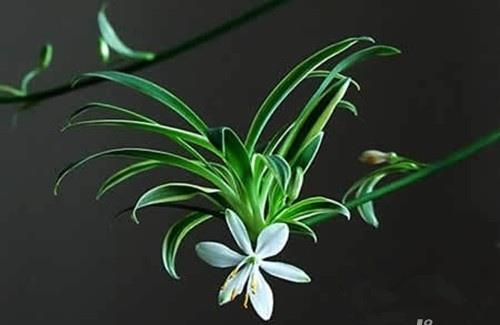
Spider plant growing methods 3. Watering: Spider plants like water. Because their fleshy roots have well-developed water-storing tissue, they are fairly drought-resistant, but from March to September during the peak growth period they need a large amount of water, so they should be watered and misted frequently to increase humidity and keep the potting soil completely moist. During the winter dormant period, water again after the top about one cm of potting soil has dried. Note that if the soil is too dry, the leaf cluster will temporarily fade in color; after watering again it may recover its original color, but the leaf tips may permanently turn brown. Around noon and in the evening, water should also be sprayed on the branches and leaves.
Spider plant growing methods 4. Fertilizing: Spider plants are fairly fertilizer-tolerant. If fertilizer and water are insufficient, they easily become scorched and aged, with yellowing leaves, losing their ornamental value. For spider plants that have begun to produce small plantlets, a nitrogen-based top dressing can be applied once every half month. Well-growing spider plants can also go without fertilizer.
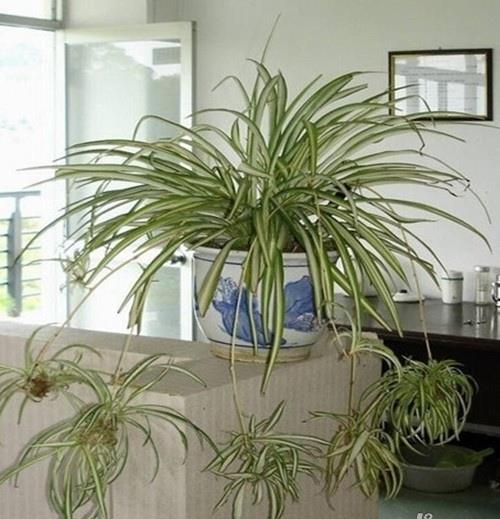
Spider plant growing methods 5. Pruning and repotting: As the plant grows larger, to maintain a good plant shape, the old leaves at the base should be cut frequently.
Spider plant growing methods 6. Propagation: Spider plants are very fast-growing plants and can be propagated by cuttings, division, or sowing.
Spider plant growing methods 7. Pest and disease control: Spider plants generally do not easily suffer pests and diseases. Problems that occur are usually root rot caused by waterlogging in the potting soil and poor ventilation; at this time, pesticide should be sprayed promptly for control.
The above is the related introduction in this article. We hope it helps those of you who need it. If you have other questions, you can follow No.1 Home Network to learn more.