How to Grow Wax Begonias and Pest Control Tips
Wax begonias are very popular, and many people like to grow this flowering plant. Wax begonias have the advantages of a rounded plant shape, abundant and dense flowers, and a long ornamental flowering period across all four seasons. They are truly appealing. Below, let us learn about how to grow wax begonias and ways to prevent pests on wax begonias.
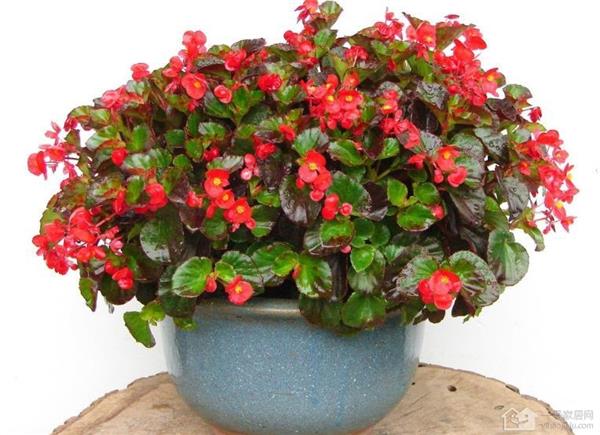
First, potting soil. For wax begonias, the ideal potting soil is a mix of river sand, leaf mold and snakewood fern chips. Wax begonias fear extreme heat, so in summer they should be kept in a cool place for care.
Second, watering. Wax begonias like warm and moist conditions, so during the growing period, watering should be based on the plant's growth and changes in temperature. Water less during the germination stage and keep the potting soil slightly dry; if it is too wet, it will cause root rot. During the growing period, water once every two days, and frequently spray water around the plant to increase air humidity. Also note that when watering, do not pour water down from the leaves and stem tips; water along the edge of the flowerpot, otherwise the stems and leaves are prone to water accumulation and rot.
Third, fertilizing. During the growth period, wax begonias should be fertilized according to leaf color and leaf growth conditions. Do not apply too much fertilizer, otherwise the leaves will grow excessively and flowering will be affected. Before flowering, apply an appropriate amount of phosphorus fertilizer and potassium fertilizer to improve flowering quality.
Fourth, when winter comes, dig up the bulbs and hang them for storage in a dry, ventilated place, or place the potted flowers in a warm indoor place to overwinter.
Fifth, disease prevention. During periods of high temperature and dryness, wax begonias are prone to root rot and stem rot. At the early stage of discovery, watering should be controlled promptly, and carbendazim should be sprayed for prevention and control. Continuous use for a period of time can show efficacy.
Sixth, winter and summer management. Because wax begonias are affected by temperature in winter and summer, their growth is relatively slow, so fertilizer and water management need to be strengthened.
Seventh, sunlight. During the high-temperature period of midsummer, be sure to avoid direct strong light on wax begonias, as this will scorch them.
Eighth, after the flowers fade, be sure to remember to promptly remove the growing tips and remove the remaining flowers, so that wax begonias can grow more luxuriantly.
Ninth, pests. The common pest of wax begonias is the leaf-roller moth. This insect uses its larvae to feed on tender leaves and flowers, directly affecting the growth and development of wax begonias. In this case, if it is not particularly serious, they can be caught by hand; if serious, spray with a diluted dimethoate solution.
Tenth, the flowerpot for wax begonias should usually be placed on a balcony or in a courtyard in semi-shade for care. Never let direct sunlight shine in, and pay attention to ventilation. About half a month after planting wax begonias, a decomposed fertilizer solution can be applied. After that, during the growing period, apply a light fertilizer solution once every 20-30 days. In winter, move them indoors and place them in a place with sufficient sunlight, and the minimum temperature must not be lower than 10 degrees.
The above is the related introduction in this article. I believe that after reading it, you also have a simple understanding of this. If needed, you can continue to follow No. 1 Home Network to learn more information.