How to grow gardenia? Master 6 key points and growing it well is easy
Many people like to grow gardenia at home, as it can not only improve the home environment but also improve air quality. Some people encounter many problems while growing it, such as not knowing how to deal with yellowing leaves. Below, let us learn about the 6 key points for growing gardenia; growing it well is easy.
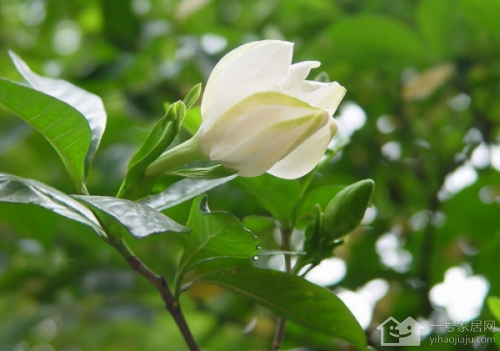
1. Soil: Gardenia likes to grow in acidic soil, so when choosing soil for gardenia, pay attention to selecting acidic soil for growing it, and also keep the soil pH between 4.0-6.5, so soil choice is also very important for growing requirements.
2. Temperature: The most suitable temperature for gardenia growth is 18°C-22°C, and 5-10°C is suitable for overwintering. Below -10°C it is prone to cold damage, and both too low and too high temperatures are extremely unfavorable for growth. In summer, gardenia should be kept in a well-ventilated, humid, and lightly shaded open woodland or shade shed. In winter, it should be placed in a sunny spot no lower than 0°C to let it go dormant naturally; too high a temperature will affect flowering the following year.
3. Water: Gardenia likes moisture, so watering should be appropriately increased during the growing season. Each watering should be done after the potting soil turns pale, and it must be watered thoroughly at one time. In the hot summer, spray water on the leaves 2-3 times a day to increase air humidity and help the plant cool down. After gardenia buds appear, it should not be watered too much, to avoid bud drop. In winter, it is better to keep watering on the dry side to prevent root rot from waterlogging.
4. Sunlight: During the growth period, gardenia also needs an appropriate amount of light. Gardenia is a light-loving plant, so it is recommended to increase light exposure during spring and autumn, while in summer and winter it is recommended to place it indoors with light, avoiding excessively high or low temperatures during growth.
5. Fertilizer: Gardenia also has very high nutrient needs. To meet its fertilizer needs during the growing period, it is recommended to apply fertilizers such as soybean cake, sesame paste residue, and peanut bran once every half month during the vigorous growth period, which also helps it bloom more abundantly.
6. Pruning: Gardenia has extremely strong sprouting ability and is prone to overlapping branches, resulting in poor ventilation and scattered nutrients, so timely pruning should be noted. Pruning should select and retain three main branches according to the tree shape, and other branches sprouting from root suckers should be cut off at any time. After gardenia flowers fade, branches should be cut back promptly to encourage new branches to sprout. When the new branches of gardenia grow three nodes, pinch them immediately to avoid blind growth.
The above is the related introduction in this article. I believe that after reading it, you also have a simple understanding of this. If needed, you can continue to follow No. 1 Home Network to learn more information.