How do plants in nature spread their seeds?
Everyone knows that plants in nature are not artificially cultivated but form naturally, so how do they spread their seeds? I believe many people are curious about this knowledge. Below we will take a detailed look at how plants in nature spread their seeds.
Ways plants in nature spread their seeds
Spread by wind
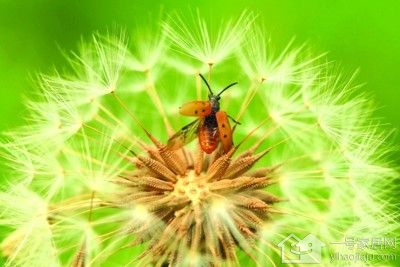
In fact, plants that spread their seeds by wind are very common in nature. The seeds of these plants are usually very light. When the wind blows, the lighter seeds can suspend in the air and drift with the wind to all parts of the world. The most famous plants that spread seeds by wind are plants of the dandelion type. The fruits of such plants usually have umbrella-shaped pappi, and some of their seeds also have special structures suitable for flying with the help of the wind. When the wind blows, the seeds fly out of the fruit with its force, then drift to other places to take root and grow. Such plants also include cotton, willow, pine, elm, and maple, among others.
Spread by water
Plants that grow by the water or in water generally reproduce by means of flowing water. For example, plants that grow in water or in swamps have relatively light seeds that can float on the water surface like a small boat, and wherever they drift they take root and sprout. The lotus we commonly see is this kind of plant that spreads seeds by water. Its fruit, the lotus seed pod, is shaped like an inverted cone, and its seeds are small in size and light in weight, usually reproducing by means of water. In addition, the coconut on land is also this kind of plant that spreads seeds by water. Its coconut shell is solid and can protect the inner seed from seawater erosion, promoting seed germination.
Spread by animals and humans
In addition, I believe many friends have seen that some plant seeds in nature have a layer of bristles or barbs on their surface. Such plants usually rely on animals or humans to spread their seeds. The bristles, barbs, or mucus on the seeds attach to the bodies of animals and humans and move with them, and wherever the seeds fall, they reproduce there. At the same time, many flowers, grasses, and trees in our lives can also have their seeds spread by humans. For example, the cherries, grapes, and wild ginseng we commonly see, after people eat their fruits, what is left behind is the pit of the plant, and this pit is the seed of the plant. Wherever people put it, the plant reproduces there.
Spread by their own strength
There is a saying in philosophy that any change in things is made by internal and external causes. In addition to borrowing external forces, plants spreading seeds by relying on their own strength is also inevitable. For example, a plant we commonly see called the bean pod: after its fruit matures, the dry and hard pod skin makes a bursting sound under high temperature, and the seeds inside the fruit also scatter in all directions with this bursting momentum. In this way, the seeds inside the plant fruit are spread in all directions, and such a bean pod spreads its seeds by relying on its own strength. Plants similar to bean pods also include soybean, oilseed rape, sesame, and garden balsam, among others.
What do plants in nature rely on to spread seeds? It is by relying on these pathways that plants in nature spread their seeds to every corner of the world, allowing the seeds to continue growing, giving the offspring of plants the chance to continue, so that plants in nature will not die out. It is not easy for plants in nature to spread and grow. Every plant can only grow after going through countless hardships. I hope people can treat the vegetation in nature kindly, and not arbitrarily destroy their growing environment or end their lives.
The above is the related introduction of this article. I believe that after reading it, you also have a simple understanding of this. If needed, you can continue to follow No.1 Home Network to learn more information.