Toxic plants can't be kept just anywhere - these varieties need to be recognized
Keeping some flowers and greenery at home not only beautifies the indoor environment and makes the home more lively, but can also purify the air. However, many plants are not suitable for indoor cultivation, as they carry toxins themselves, and a careless moment could even cost you your life. Let's take a look at which plants are not suitable to keep!
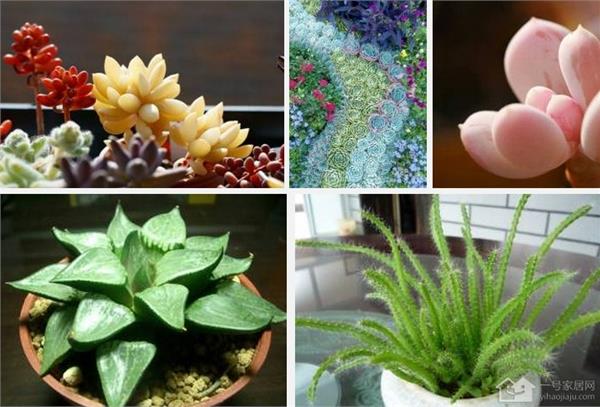
Succulents have been so popular lately that surely no one needs the editor to tell them how well known they are. Small and cute, they are deeply loved by girls - it seems that if the editor doesn't keep a pot, she doesn't even count as a girl anymore. But recently the editor saw a piece of negative news about succulents. Here's what happened: an aunt was adding plants to her home to beautify it, and after a florist's sales pitch she bought a succulent called "Purple Pearl". After bringing it home, a friend said that if you just pick off a leaf, a new one can still grow, so out of curiosity, Ms. Chen broke off a leaf, split it open with her hands, and even touched the juice inside. But after a while, the skin around her neck that her juice-stained hand had touched began to itch, and the area around her eyes turned somewhat red. After consulting a doctor, she learned that it was because the juice is toxic and must not come into direct contact with the skin.
The doctor explained that many species of succulents are toxic. After contact with the juice, a person's skin will develop symptoms such as redness, swelling, itching and allergies. Once ingested, it can cause major harm to the heart, and if livestock eat it, it can lead to death in severe cases. So succulent fans, succulents can be kept, but the varieties need to be chosen with care.
Night-blooming cestrum (Cestrum nocturnum): it releases a large amount of fragrance at night, and this heavy fragrance is very harmful to human health. Placed indoors for a long time, it can cause dizziness, coughing, asthma, restlessness, insomnia and other problems.
Tulip: it contains toxic alkaloids. If people and animals stay in this fragrance for 2-3 hours, they will feel dizzy and muddled and show signs of poisoning, and in severe cases there may be symptoms of hair loss.
Conifers and cypresses: they give off a strong fragrance, and smelling it for a long time has an irritating effect on the stomach and intestines, causing loss of appetite; pregnant women will feel restless, nauseous and vomit, and dizzy.
Poinsettia: the white sap in its stems and leaves irritates the skin and causes skin allergies; if the stems and leaves are eaten by mistake, there is even the danger of poisoning and death.
Lily: the fragrance of lilies can make people overly excited and cause insomnia, so it is best not to place them indoors (in the bedroom).
Narcissus: it contains toxins, and if accidentally eaten, it can cause vomiting and abdominal pain. Smelling its scent for a long time can make a person dizzy and blurry-eyed.
Hydrangea: if a person comes into contact with the particles it releases, it can cause itching from skin allergies; it also has the side effect of disrupting hormones, and is especially harmful to pregnant women.
Chinese rose: kept indoors for a long time, the scent it gives off can cause some people to feel short of breath and restless.
Redbud (Bauhinia): if the pollen it releases comes into contact with a person for too long, it can trigger asthma or worsen coughing symptoms.
These toxic plants kept indoors could actually lead to death - you must know this! Mimosa: it contains mimosine, and too much contact can lead to sparse eyebrows, yellowing hair and even hair loss. These toxic plants kept indoors could actually lead to death - you must know this!
Oleander: it contains toxins, and its scent can make people drowsy and reduce their mental acuity.
Evergreen (Rohdea japonica): it contains a toxic enzyme. If you touch the sap of its stems and leaves, it will cause severe itching and inflammation of the skin. If a child grabs it to play with or eats it by mistake, it will irritate the oral mucosa and cause throat swelling, and may even paralyze the vocal cords and cause loss of voice.
Corn poppy: it contains toxic alkaloids, and the fruit is especially the most toxic. If eaten by mistake, it will cause poisoning of the central nervous system and even endanger life.
Cactus: although its air-purifying effect is quite good, the dense spines on its surface can inadvertently hurt people. If there are children or elderly people at home, it is best not to keep one.
At home you can keep plants such as mint, lemongrass, spider plant, lucky bamboo and snake plant. Their volatile substances are not only harmless, but can also purify the air, making them a very good choice.
The above is the relevant introduction in this article. I believe that after reading it you have a simple understanding of this. If you need more, you can continue to follow No.1 Home Network to learn more information.