An Introduction to Asparagus and Its Nutritional Composition
Compared with familiar vegetables such as napa cabbage and Chinese chives, the public's understanding of asparagus is limited. Below, let us learn about asparagus and see what kind of plant it is.
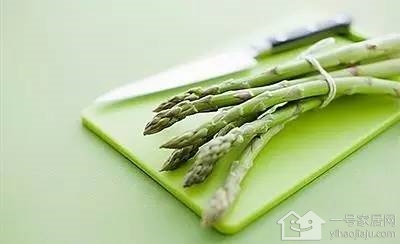
Asparagus, also known as shidiaobai, is a perennial herbaceous plant of the genus Asparagus (asparagus genus) in the family Asparagaceae.
Asparagus, whose scientific name is shidiaobai, is a spring vegetable and a perennial flowering plant. Like its cousins the Chinese chive, onion, and garlic, it was once classified in the family Liliaceae. But the Liliaceae have been split apart, and these onion-like plants are now classified in the genus Allium and the genus Asparagus (asparagus genus) within the family Asparagaceae.
Asparagus is native to most of Europe, as well as North Africa and West Asia, and is a widely cultivated vegetable crop. Even if the production regions differ, in fact no matter which asparagus variety it is, as long as it is exposed to sunlight it will become green asparagus, and if it is buried in soil or shielded from sunlight, the asparagus will take on a whitish color. It is difficult for Taiwan, China asparagus to compete with European white asparagus in tenderness; perhaps because spring and summer temperatures in Taiwan, China are high, it is easy for asparagus cell walls to rapidly thicken and the degree of lignification to be relatively high, so it is somewhat far from soft and tender and often needs to be peeled.
What Does Asparagus Taste Like
Asparagus has a fresh and fragrant flavor, with characteristics of cool, sweet, and bitter. Its dietary fiber is soft and palatable, and it can stimulate the appetite and help digestion.
Nutritional Composition of Asparagus
The nutritional value of asparagus is higher than that of ordinary vegetables, and it is a relatively high-grade health vegetable.
1. Asparagus is rich in vitamin B, vitamin A, and trace elements such as folic acid, selenium, iron, and zinc. Research shows that as long as each person eats 200 grams of fresh green asparagus per day, it can satisfy the human body's need for the above nutrients.
2. Asparagus contains nutritional elements such as rutin and asparagus saponins that are not found in other vegetables. These nutritional elements are effective in preventing and treating cardiovascular and cerebrovascular diseases and cancer, and are very valuable for human health.
3. Modern nutrition analysis shows that asparagus contains various amino acids essential to the human body, with a relatively appropriate proportion, and among its inorganic salts there are relatively large amounts of trace elements such as selenium, molybdenum, magnesium, and manganese. It also contains large amounts of non-protein nitrogenous substances mainly composed of asparagine and aspartic acid.
4. Asparagus is a vegetable with low calories and high nutritional value, with an astonishing content of antioxidants, immune cell activators, growth regulators for normal cells, and elements essential to human health such as manganese, zinc, copper, and iron.
5. Asparagus is rich in folic acid. Eating more asparagus can have the effect of supplementing folic acid, and it is an important source of folic acid supplementation for pregnant women.
What kind of plant is asparagus? What flavors does it have? Through the introduction in this article, you have also gained more understanding of asparagus, know that asparagus is a very nutritious plant, and also know that regularly eating asparagus has a very good effect on the body. Asparagus can be prepared in rich and varied ways, and it is not only suitable for Western cuisine but also very suitable for Chinese cuisine, such as stir-fried with meat, made into soup, or served cold with dressing. But although asparagus is very good, people also need to remember not to eat too much when consuming it; eating too much at one time may bring about counterproductive effects.
The above is the relevant introduction in this article. I believe that after reading it, you also have a simple understanding of this. If needed, you can continue to follow No. 1 Home Network to learn more information.