A Detailed Guide to Growing Tulips in Pots
Many friends are not particularly familiar with how to grow tulips in pots, so today I will give you a brief introduction to growing tulips in pots. Let's take a look together.
The Symbolic Meaning of Tulips
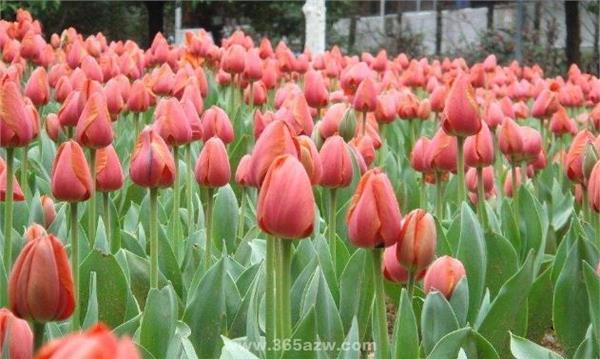
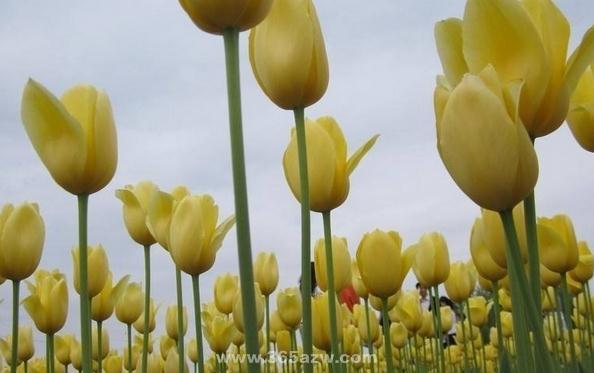
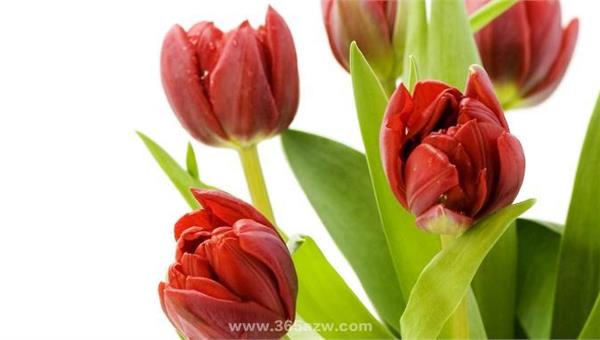
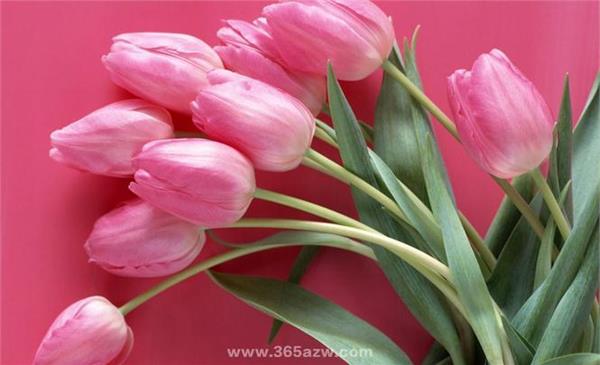
Tulips symbolize elegance, wealth and honor, capability, and intelligence. The flower language of tulips is love, charity, fame, beauty, blessings, eternity, a declaration of love, and eternal blessings. Tulips of different colors have different symbolic meanings and flower languages. The most common tulips include yellow tulips, pink tulips, red tulips, and purple tulips. The flower language and symbolic meaning of yellow tulips are elegance, preciousness, wealth, love, and friendship; the flower language and symbolic meaning of pink tulips are beauty, passion, cherishing, friendship, and happiness; the flower language and symbolic meaning of red tulips are a confession of love, a declaration of love, joy, and passion; the flower language and symbolic meaning of purple tulips are noble love and endless love.
How to Grow Tulips in Pots
Soil requirements:
For the potting soil, it is best to mix 6 parts leaf mold, 3 parts sandy soil, and 1 part decomposed manure evenly. For a flower pot with a diameter of 20 cm, 3 plants can be planted per pot. After the sprouts emerge from the soil, apply a diluted liquid fertilizer once about every 10 days, and add one application of phosphorus and potassium fertilizer from bud formation to before flowering. Keep the potting soil moist at all times, and place it in a sunny spot for care.
Temperature conditions:
Tulips prefer a warm winter and a cool summer, with an optimum growth temperature of 9-13°C. They are highly cold-tolerant and can withstand low temperatures of -35°C in winter. However, they dislike high temperatures. Under cool and cold conditions, tulips not only have more vivid flower colors but also a longer flowering period. If the temperature is too high, their flowers tend to wither, which seriously affects their ornamental value.
Light conditions:
Tulips like strong light, and light is an important limiting factor for their flowering. During cultivation, make sure the plants receive no less than 8 hours of direct sunlight every day. This helps tulips accumulate more photosynthetic products, which not only ensures good plant growth but also ensures normal blooming.
Fertilization method:
In controlling the flowering period of tulips, it is usually possible to apply a diluted liquid fertilizer rich in phosphorus and potassium once each when they grow 2-3 leaves and after the flower scape emerges. This is basically enough to ensure normal blooming of tulips. If the growth vigor is weak, some nitrogen fertilizer can be applied to promote vigorous growth of tulips.
Watering method:
After planting, water thoroughly so that the soil and bulbs can fully and closely combine, which helps rooting. After sprouting, water should be properly controlled. When the leaves gradually extend, water can be sprayed on the leaf surface to increase air humidity. During the flower scape emergence stage and the bud stage, sufficient water must be ensured to promote full flower development. After flowering, watering needs to be properly controlled.
Pest and disease control:
The main diseases of tulips include stem rot, soft rot, color breaking, damping-off, and blind buds, while the pests are mostly aphids. If diseased plants are found, dig them out promptly and destroy them, and apply a fungicide 1-2 times. At the same time, maintain good ventilation and avoid high temperature and high humidity. When aphids occur, spray with 3% natural pyrethrin at 800 times dilution to kill them.