What are the key points of growing pothos? A complete guide to its care methods
Generally speaking, there are many key points in growing pothos, and if you master these key points, the pothos you grow will be better. Today I will give you a brief introduction to the key points of growing pothos, let's take a look together.
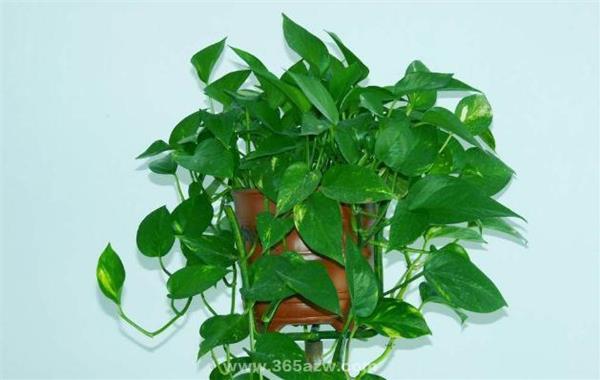
What is pothos
Pothos is a tropical plant. It grows year-round in tropical regions, and its climbing ability is extremely strong. If its growing environment can be kept favorable, pothos can grow into a large climbing vine plant. The leaves of pothos are not very large, because pothos itself has a well-developed root system, so the leaves grow very densely, showing a color that is green with a hint of yellow spots. Placed at home, in the office, or in other places, it can produce a very good effect.
Growing a plant at home makes family life more comfortable. In fact, placing pothos at home is indeed a good choice, because its extremely strong vitality and climbing ability allow it to grow very quickly, and growing it at home can create a very nice aesthetic. Moreover, its leaves are very emerald green. Although they are not as charming and alluring as flowers, their natural and fresh quality can also bring a different kind of decorative effect to the home.

Key points of growing pothos
1. Change the water frequently. If you grow pothos in water, changing the water frequently is very necessary, generally once every two to three days. The reason is that pothos has extremely high requirements for water quality, and adding nutrient solution is also necessary, so that pothos can shine with vitality.
2. Suitable temperature. The temperature for pothos to safely overwinter is above 10°C. When the room temperature is above 20°C, pothos can grow normally. Too large a temperature difference will affect the growth of pothos. At the same time, be careful not to let the leaves get close to heating equipment.
3. Choice of water quality. Use clean tap water or purified water to grow pothos; the correct choice of water quality matters because it contains a large amount of minerals.
4. Root trimming work. For the roots of pothos, we need to clean them at intervals. After the root system grows long, the roots need to be trimmed. If there are rotten roots, cut them off, so that pothos can absorb nutrients better.

5. Spray water on pothos regularly. Pothos likes a warm and humid environment, so pay attention: regularly spray water on the leaves of pothos to increase humidity. This is very beneficial to the growth of pothos, and it can also help clean the leaves.
6. Appropriate light. Every morning, you can place pothos on a balcony or in a bright spot to supplement light for photosynthesis. Only sufficient scattered light can make the leaves spread out and the leaf color emerald green.

Precautions for growing pothos
When choosing cultivation soil for pothos, choose soil that is loose, drains easily, and is sufficiently acidic. If it is placed on a balcony, put it in a shady place that does not receive direct sunlight. If it is grown indoors, let it receive appropriate light. Also note that although rice-washing water is nutritious, it can only be used as fertilizer after fermentation.