How to grow camellias? Sharing a few practical care tips
Many people nowadays grow plants at home to fill their living space with vitality. Camellias are relatively superior and are the choice of many people. Below, let's take a look at tips for growing camellias. If you are interested too, come in and learn.
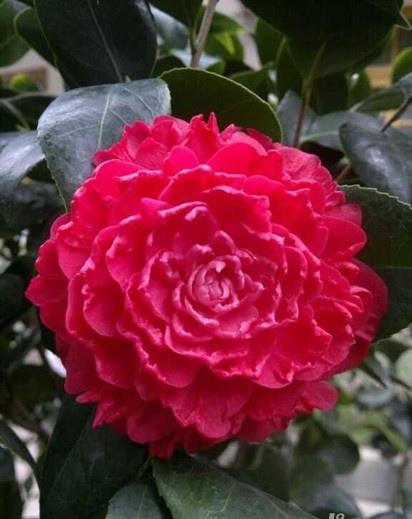
How to grow camellias
First, light conditions. Camellias dislike strong light, so when planting, you must pay attention to sunlight. In spring and autumn, they need plenty of light, but in summer, you must avoid direct sunlight. If a camellia is exposed to strong light for too long, it can easily die. If conditions allow, moving it under a shade shed is best.
Second, temperature considerations. Camellias are neither cold-tolerant nor heat-tolerant, and their most suitable temperature is 18-25 degrees, so the ambient temperature must not be too high or too low, otherwise it will affect their growth. Pay special attention in winter: the indoor temperature must be above 3 degrees; if it is below 0 degrees, they will suffer frost damage.
Third, watering matters. Camellias like a moist environment, so you must pay special attention: it cannot be too dry, cannot be too wet, and cannot alternate between dry and wet. Generally, in spring you can water more, which helps sprouting. In summer, water twice a day, morning and evening, and it is best if you can water the leaf surface. Never water the plant when it is at high temperature. In autumn, do the same as in spring, but in winter, watering needs attention: it is best to water before and after the plant's [growth period], and do not water every day; once every two or three days is best.
Fourth, fertilizing key points. Camellias quite like fertilizer, so throughout the whole growing process you must pay special attention to the use of fertilizer, for example adding phosphorus and potassium fertilizer when potting. But fertilizing also has a limit; never use too much. Generally, fertilize about 3 times during the nearly half year after flowering, and fertilize once in winter. To make the flowers more beautiful, it is best to include more phosphorus fertilizer in the fertilizer.
Fifth, pruning branches. Pruning camellias is very important. Generally, cut off branches that affect the tree shape as well as diseased and weak branches. There is also the tidying of flower buds: once the buds are too dense, they must also be thinned. After the flowers fade, they should also be picked off in time, which can reduce nutrient consumption.
Sixth, repotting camellias. Many people overlook this point. Many people plant them and then never repot them, but this is actually very wrong. Generally, camellias should be repotted once every two years, and you should change to a larger pot, which is beneficial to their growth. The timing of repotting needs special attention; it is best in April. When repotting, pay attention: do not remove all the old soil, and also add a small amount of base fertilizer, then water.
Seventh, prevention and control of diseases and pests. Camellias are very prone to illness. There are mainly two common diseases - black mildew and anthracnose. At this time, you only need to spray 0.5-degree Bordeaux mixture. The main pest of camellias is the tea shoot borer. At this time, mainly pruning off the infested shoots is enough.
Eighth, soil requirements. Soil is the foundation of camellia growth. All the nutrients and so on for camellias are obtained from the soil, so the requirements for soil are quite high. Generally, the soil should have relatively high humus content, with a PH value between 5-6.5, slightly acidic. Its best soil mix is: 50% mountain soil, 40% sawdust or edible mushroom residue, 10% cake fertilizer powder or livestock manure and phosphorus fertilizer powder.
Ninth, air circulation. The place where camellias grow has extremely high requirements for air circulation. It is most suitable for growing in a gentle breeze, but camellias are very afraid of northwest wind and strong wind, because northwest wind and strong wind easily make water evaporate too quickly, causing camellias' supply and demand to lose balance, which is not good for camellia growth.
The above is the relevant introduction in this article. I hope it helps those of you who need it. If you have other questions, you can follow No. 1 Home Network for more information.