Basic Facts About Lemon Balm and 5 Small Tips for Growing It
Lemon balm is a plant with strong ornamental value and the ability to absorb harmful gases. It can help purify the air and is very suitable for growing at home. Below, let us look at the basic information about lemon balm and 5 small tips for growing it.
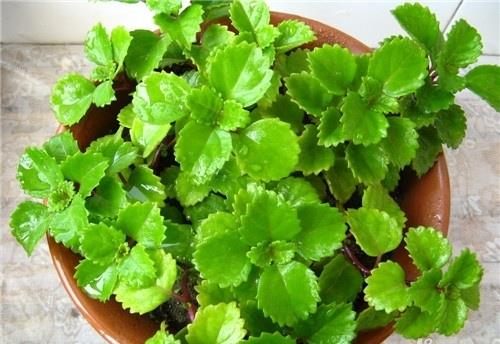
Basic information about lemon balm:
Lemon balm, scientific name lemon balm or curly-leaf mint, Latin name: Melissa Officinalis, English name: Lemon balm, also known by other names such as mint balsam, bee balsam, and bee flower. It is a perennial herbaceous plant with a persistent root in the Lamiaceae family.
Lemon balm grows to a plant height of 50 cm. Its stems and leaves have a soapy fragrance. It has verticillate cymose inflorescences and white labiate flowers, with a flowering period from July to August. It is heat-tolerant and cold-tolerant, relatively tolerant of drought and waterlogging, and also tolerant of pruning. Pruning once before the Start of Winter allows it to overwinter safely. In winter it can withstand low temperatures below 0°C, while growth is restricted at high temperatures above 30°C in summer. The most suitable growing temperature is between 10-20°C. Lemon balm is easy to propagate and can be grown from seed, cuttings, and division.
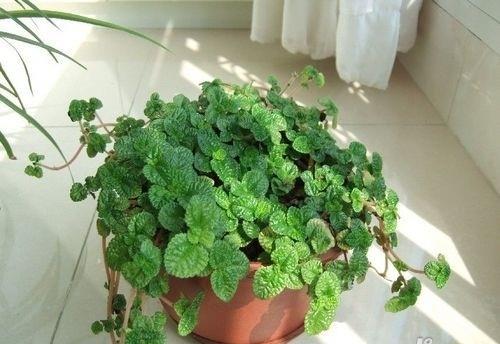
How to grow lemon balm:
1. Sunlight: Lemon balm prefers bright light. If the room has very good lighting, lemon balm can be placed in a spot with sunlight, and normal indoor ventilation is enough; if the room does not have very good lighting, such as a bathroom or kitchen, then place lemon balm in the room for 72 hours, then move it to a place with ample sunlight, and after 72 hours or so put it back. When the weather is not cold, it can also be placed outside to absorb light and get fresh air.
2. Temperature: Growing lemon balm does not have high temperature requirements. In winter it can withstand low temperatures below 0°C, but growth is restricted at high temperatures above 30°C in summer. The most suitable growing temperature is between 10~20°C.
3. Watering: Water with clean water or rice washing water every 3-5 days. If the branches and leaves wither due to lack of water, replenish water immediately and they will recover quickly. For supplemental nutrients, a commonly used general plant nutrient solution can be used.
4. Pruning: Lemon balm grows very quickly. It is recommended to prune once a week. Just cut above the point where new leaves grow on the higher nodes. If black-edged leaves or old leaves at the base appear, do not worry, just pull them off.
5. Pests: Lemon balm can release volatile oil with bactericidal effects and can absorb harmful gases, so pest problems basically do not occur. As long as the water, light, and temperature needed for lemon balm growth are maintained, it is fine.
The above is the related introduction in this article. I believe that after reading it you also have a simple understanding of this. If needed, you can continue to follow No. 1 Home Network to learn more information.