How to grow spider plants easily? Keep these precautions in mind
The spider plant is one of the common potted plants, and many households grow it. It not only freshens the air but also brings a rich sense of vitality to a space. If you also want to grow a spider plant, then take a look at how to grow spider plants easily and the precautions for growing spider plants.
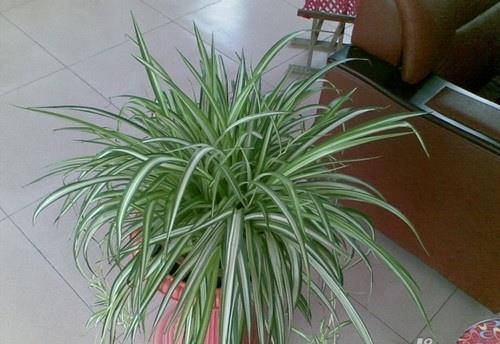
How to grow spider plants
1. Suitable light: Spider plants prefer a semi-shaded environment and are very sensitive to light. If exposed to direct sunlight in summer and autumn, the leaves will turn dry and yellow, and even the whole plant may die. Therefore, avoid direct strong sunlight, place them in a cool and ventilated spot, and pay attention to maintaining environmental humidity. At most, they should only receive some slanted sunlight in the morning and evening. In winter, since the sunlight is not strong, spider plants can appropriately receive some direct sunlight.
2. Temperature: They prefer a warm, humid and semi-shaded environment and are highly adaptable. The minimum temperature for overwintering is around 10°C, and during the growing period the room temperature should preferably be maintained at around 20°C.
3. Generally, they grow better in well-drained, loose and fertile sandy soil.
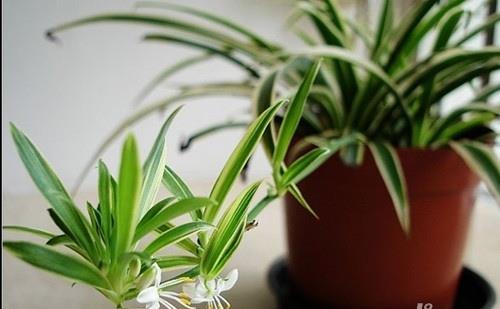
4. Proper watering: Spider plants prefer a humid environment, and the potting soil should be kept moist regularly. In summer, watering should be sufficient, and around noon and in the evening water should also be sprayed on the branches and leaves to prevent the leaves from drying out. Indoor spaces often have a lot of dust. If a lot of dust accumulates on spider plants, it not only affects their growth but also damages the fresh and bright appearance of the branches and leaves. Therefore, the branches and leaves should be sprayed and washed frequently to keep them bright and beautiful. Dead leaves and yellow leaves at the lower part should be removed at any time. Normally, keep humidity moderate; it should be neither too dry nor too wet.
5. Repotting and soil replacement: In the management of potted spider plants, in order to achieve lush stems and leaves, the soil should be replaced and the pot changed once around April each year. If the pot is relatively deep and the base fertilizer is sufficient, repotting can be done once every two years. When repotting, knock the plant out of the pot, cut off dead and rotten roots and excess roots, replace with new culture soil rich in humus, and then apply livestock hoof and horn pieces or decomposed cake fertilizer as base fertilizer.
6. Pest and disease control: Spider plants generally are not prone to pests and diseases. When problems occur, they are usually caused by water accumulation in the potting soil and poor ventilation leading to root rot. At this time, spray pesticides promptly for control.
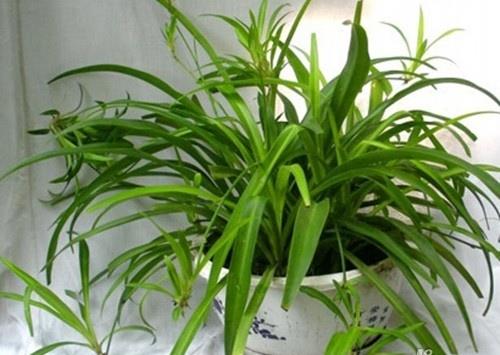
Precautions for growing spider plants
1. After repotting in spring, place them in a semi-shaded spot for cultivation, and after they survive, move them to a spot with light. Spring is a season when spider plants grow relatively quickly, so a sufficient supply of water and fertilizer should be ensured. When the temperature is not high, they can be cultivated under full light; after the temperature rises, shade the light around noon. If during the growing period the leaf color is found to be dull and pale green, topdress with urea at 1000 times dilution 1-2 times. If cultivated indoors, when light is insufficient, the leaf color tends to become yellow-green, so they can be moved outside to increase light exposure.
2. In summer, avoid direct sunlight. Keep the potting soil moist regularly. Apply liquid fertilizer once every 15-20 days.
3. When the climate is dry in summer and autumn, increase the air humidity around the plant through measures such as spraying water.
4. Spider plants are not cold-tolerant. Keeping the room temperature above 5°C allows them to overwinter safely. When the winter temperature is relatively low, spider plants should be placed under full light, watered sparingly so that the potting soil is slightly on the dry side, and not fertilized.
The above is the relevant introduction in this article. I hope it is helpful to those of you who need it. If you have other questions, you can follow No.1 Home Network to learn more.