How to Propagate Gardenia and How to Prevent Diseases in Gardenia
The gardenia's fragrance is unique and very popular. In fact, the gardenia's uses go beyond fragrance, as it also has pharmacological and other benefits. Below, let's look at how to propagate gardenia and how to prevent diseases in gardenia.
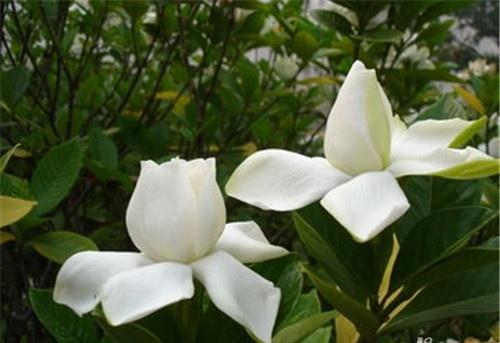
Gardenia Cultivation Methods - Propagation
1. Sexual propagation: Generally select plump, dark red ripe fruits, dry them in the sun or in the shade with the shell on to use as seeds. Before sowing, use scissors to cut open the seed coat, dig out the seeds, rub them apart in hot water, remove floating seeds or impurities, and then scoop out the sunken, plump seeds.
2. Asexual propagation: Cutting method - can be divided into spring cuttings and autumn cuttings. Select healthy 2-3 year old branches for cuttings, cut them to 10-12 cm, remove the lower leaves, keep the top two leaves and cut each in half, first dip them in vitamin B12 injection, then insert them diagonally into the cutting bed, leaving only one node above the surface. Pay attention to shading and maintaining a certain humidity. When the rooted seedlings begin to grow, transplant them or pot them individually.
Gardenia Cultivation Methods - Cultivation
1. Prefers acidic soil: If the soil, water or fertilizer contains alkali, the plant cannot absorb iron, which affects chlorophyll formation, causing branches to wither, leaves to scorch, and even death. Use fertile, loose, well-drained acidic soil. For example, mixing thoroughly composted pine sawdust into the soil also gives very good results.
2. Prefers shade and coolness: Avoid direct sun exposure. However, some people mistakenly believe that gardenia requires full shade, leading to cultivation mistakes. In fact, while providing a cool environment, it is necessary to maintain 60% sunlight throughout the day to meet its growth needs.
3. Prefers humidity: If air humidity falls below 70%, it will directly affect flower bud differentiation and flower bud growth. However, excessive moisture can cause root rot, branch withering, leaf yellowing and falling. In addition to normal watering, frequently spray water on the leaf surface and nearby ground to appropriately increase air humidity.
4. Prefers fertilizer: Apply composted soybean cake, sesame paste residue, peanut bran and other fertilizers. After fermentation and decomposition, they can become acidic. However, fertilizer must be applied lightly and frequently. Avoid concentrated fertilizer and raw fertilizer. Do not fertilize during the winter dormancy period. For plants grown less than three years, never apply human waste. Excessive nitrogen fertilizer will cause thick branches, large leaves and dark green color, but no flowers. Deficiency of phosphorus and potassium fertilizer will also cause failure to bloom or withering and dropping of flower buds.
5. Prefers warmth: 18°C to 22°C during the growing period, 5°C to 10°C during the overwintering period. Below -10°C, it is prone to frost damage.
6. Timely pruning: Gardenia has strong sprouting ability, easily causing overlapping branches, poor ventilation and dispersed nutrients. When shaping, select and retain three main branches according to the tree form, and promptly cut off other branches sprouting from root suckers. After flowers fade, branches should be promptly cut short to encourage new shoots to sprout below the cut. When new shoots grow three nodes, pinch off the tips to prevent blind growth.
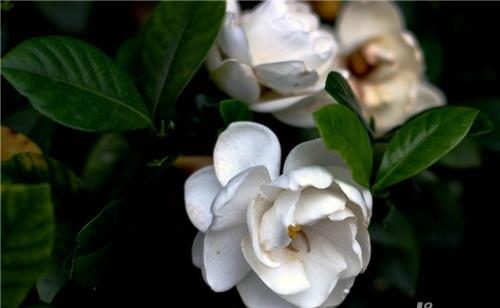
Gardenia Cultivation Methods - Disease Prevention
1. Chlorosis: Relatively common, caused by various reasons, so different measures must be taken for prevention and control. Generally apply decomposed human waste or cake fertilizer. When iron is deficient, the area between veins of young leaves turns yellow and loses green. In severe cases, the entire plant's leaves turn yellow, and even scorched leaves and withered branches appear, ultimately causing plant death. For this situation, spray 0.2%-0.5% ferrous sulfate aqueous solution for prevention and control.
2. Sooty mold: Occurs on branches and leaves. After discovery, wipe clean with water, or spray 0.3 Baume degree lime sulfur mixture, or 1000-1200 times carbendazim.
3. Rot disease: Often occurs on the lower main trunk, causing stem swelling and cracking. After discovery, immediately scrape off or apply 5-10 degree lime sulfur mixture. Several applications are needed for it to be effective.
The above is the relevant introduction in this article. I believe after reading it, you have a basic understanding of this. If needed, you can continue to follow No.1 Home Network to learn more information.