Foliage plant growing methods and precautions
Many friends do not have a particularly good understanding of foliage plant growing methods, so today we will briefly introduce what you need to know about growing indoor foliage plants. Let's take a look together.
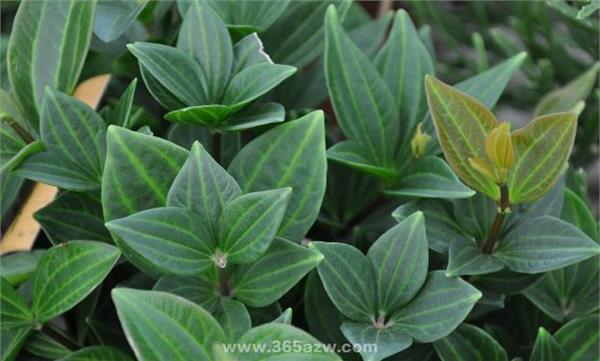
What indoor foliage plants are there
1. Clivia
Clivia is a famous greenhouse flower and a perennial herbaceous plant. Its flowering period lasts as long as 30 to 50 days, mainly in winter and spring, and it also blooms around New Year's Day to the Spring Festival. Under normal circumstances it blooms once a year; if the indoor growing temperature is suitable, it can bloom around the Spring Festival. Known as the flower of wealth and honor, Clivia generally blooms once a year once mature; blooming twice a year is rare, and blooming three times is extremely rare.
2. Golden pothos
Golden pothos is one of the very best indoor decorative plants, a climbing vine foliage flower. It can be allowed to climb onto a cylinder tied with palm fiber and placed in an entrance hall or hotel, or it can be trained into a hanging form and placed in a study or on a windowsill. It is a flower relatively well suited to indoor placement.
3. Hyacinth
Grape hyacinth flowers are like strings of purple grapes, very beautiful. It is highly cold tolerant and can overwinter outdoors even in North China. Hyacinth likes a cool, humid, sunny environment. It is relatively tolerant of low temperatures but afraid of heat. It is suitable for growing in well-drained sandy loam soil and grows poorly in heavily clayey soil. Hyacinth bulbs must grow to 19 cm before they can bloom.
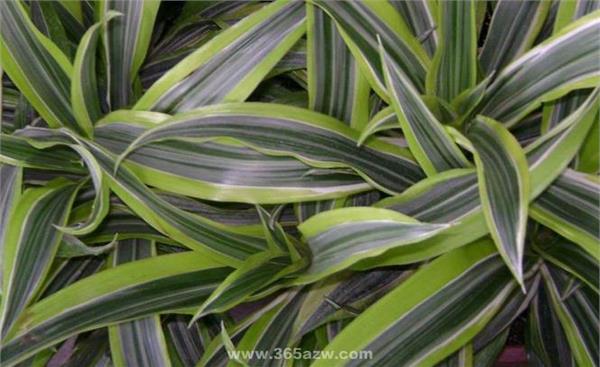
What you need to know about growing indoor foliage plants
Placement location: Plants that like sunlight should be placed in a brighter spot by a window. For light-loving plants such as cyclamen and cineraria, even more priority should be given, choosing a sunny place for them. If there is no ideal sunny spot indoors, then choose a place with relatively bright light as much as possible. If it is a shade-tolerant plant, it is best placed where there is no direct sunlight, with occasional weaker light. For wall-mounted or hanging plants, if their position is changed every 2 to 4 weeks, this is beneficial both for plant growth and for enhancing the indoor atmosphere.
Watering principles: Giving too much water at this time is one of the important causes of plant problems. The cold winter climate is very unfavorable for the growth of foliage plants. If the potting soil is too wet at this time, the plant's root system will be damaged by the cold, and root damage will inevitably lead to leaf death. Therefore, watering in winter must be strictly controlled so that the potting soil remains in a relatively dry state. Because the degree of soil dryness varies with plant species, leaf area, pot material, placement location, and so on, the signs of the potting soil surface turning white and becoming dry and hard can be used as a basis for deciding when to water. Generally the interval is 3 to 4 days, and watering is best done during the warmer time at noon, with enough stored water to water thoroughly in one go.
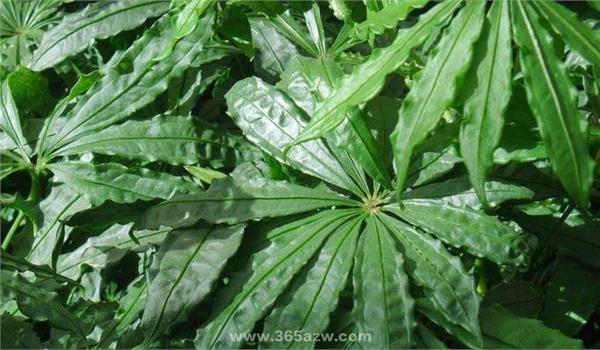
Air humidity: The main reason foliage plants' leaves wither and drop in winter is insufficient air humidity. At this time indoor air is generally very dry, which easily causes plant leaves to lack water and bud tips to wither. Therefore, during the warmer daytime hours, preferably at noon, moisture should often be supplemented for the plants and the surrounding environment in the form of misting the leaves. At night, the plants should also be covered with plastic bags as much as possible to preserve humidity, so that the plants can pass through the cold season safely.
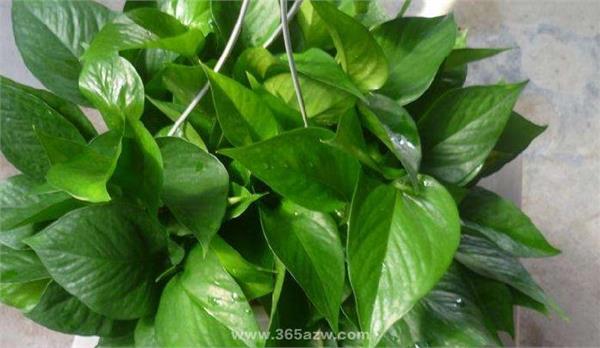
Light conditions: Most foliage plants like semi-shaded environmental conditions and are not suited to direct sunlight. Some foliage plants are strongly shade tolerant and can be placed indoors for a long time. According to the characteristics of foliage plants, give reasonable light to promote their robust growth and enhance their stress resistance. Such plants as maranta, rohdea, ferns, Aspidistra, Monstera deliciosa, Fatsia japonica, and Rhapis excelsa are suitable for growing and developing indoors under scattered light conditions. Although cycads, Dracaena fragrans, Excoecaria cochinchinensis, begonias, sansevieria, and agave have a certain degree of shade tolerance, they need sufficient light, and when cultivated indoors they should be placed in a sunny or bright spot. Another category, such as rubber plants, bougainvillea, bromeliads, poinsettias, and succulent foliage plants, should be given full sunlight to benefit their growth and development.