Hydroponic and Sand Cultivation Methods for Narcissus
The narcissus flower emits a unique fragrance and has high ornamental value. Growing narcissus requires skill. Below, let's look at the hydroponic cultivation methods for narcissus and the sand cultivation methods for narcissus.
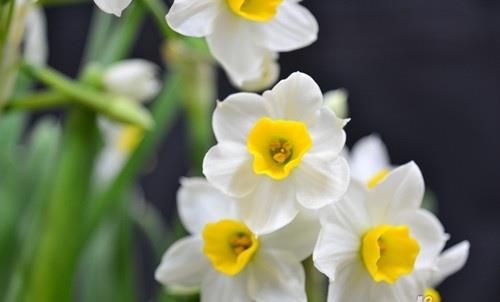
Choose an appropriate growing environment. Narcissus growth requires sufficient sunlight and water, and the suitable temperature is around 15°C. If sunlight is insufficient, it will be very difficult to make it bloom. Narcissus differs from other flowers in that it begins growing in autumn, blooms in winter, stores nutrients in spring, and goes dormant in summer. Therefore, when growing narcissus in summer, attention should be paid to keeping it in a relatively cool climate.
1. Hydroponic Cultivation Methods for Narcissus
Before water cultivation, first peel off the dried brown scale leaves on the outer layer of the bulb, remove the root-protecting soil and the brown decayed roots at the base (be careful not to damage the white new roots), wash the surface clean, stand it upright in a shallow pot without drainage holes, add water to about 1 cm below the bulb of the narcissus head, place it in a cool place, and after the bulb has grown roots, place it in the sunlight.
For water-cultivated narcissus, it is best to change the water every day. On one hand, this prevents the water from deteriorating and causing root rot; on the other hand, changing the water daily keeps the water clean and the roots that grow white and beautiful. When changing the water, use tap water that has been left to stand in the sun. Avoid too much water; soaking up to just below half of the flower head is sufficient. Before blooming, you can switch to changing the water once every 2-3 days.
Narcissus growth requires sufficient sunlight; the suitable temperature is around 15°C. To make the narcissus grow strong, it should be taken to the balcony during the day to get more sun. Narcissus loves sunlight the most; without sunlight, it is very difficult for narcissus to bloom. After the sun comes out, move the narcissus outdoors for direct exposure, and move it back indoors when the sunlight becomes insufficient.
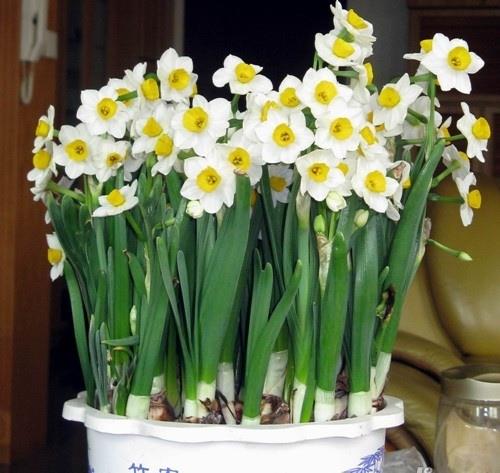
2. Soil Cultivation Methods for Narcissus
For soil cultivation of narcissus, use loose humus soil. Before planting, peel off the dried scale leaves on the outer surface of the narcissus head and scrape off the old roots, add humus soil to 3 cm below the pot rim, and firm the humus soil, then place the narcissus bulb base in the pot, continue adding soil for about 1 cm, then water thoroughly, and place the flowerpot in a cool place. After 5 days, once the bulb base has grown roots, place the flowerpot in a sunny spot for cultivation.
For soil cultivation, watering should follow the principle of "dry then wet" - that is, do not water when the soil is not dry, and once you water, water until it leaks from the bottom of the pot. Watering should be done in the morning and evening, otherwise it will damage root growth.
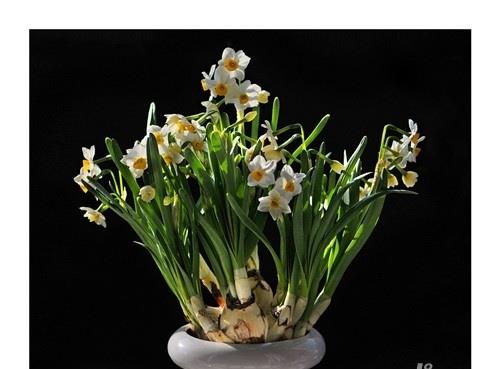
3. Sand Cultivation Methods for Narcissus
For sand cultivation, it is best to use washed clean fine sand, and the pot should also be a breathable clay pot. Before planting, first put sand into the pot, filling to 3 cm below the pot rim, then place the narcissus head with old stem scales and old roots removed into the flowerpot with fine sand, add about 1 cm more sand, so that the lower stem of the narcissus head is buried about 1 cm into the sand. Then water thoroughly and place in a cool place. After 5 days, place it in a sunny spot until it blooms. For sand-cultivated narcissus heads, water thoroughly every day. Failure to water in time will cause water deficiency and affect the root growth of the flower. Watering should also be arranged in the morning and evening.
The above is the relevant introduction in this article. I believe after reading it, you have a simple understanding of this. If needed, you can continue to follow No.1 Home Network to learn more information.