The name "Lisianthus" sounds plain, but the flowers are stunningly beautiful; a horticulturist teaches you how to grow a pot so full it bursts.
Introduction
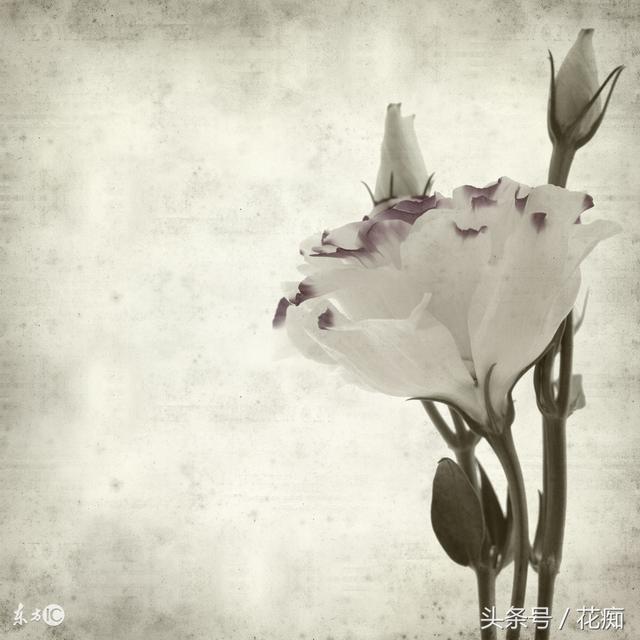
When people mention lisianthus, many think of it as a very elegant and beautiful flower, and it is often used as a cut flower, but many people who love lisianthus always feel it is a rather difficult houseplant to grow, especially when propagating from seed, which is even harder. This is actually because we do not fully understand lisianthus. So today, the flower enthusiast will share how to successfully grow a pot of lisianthus so full it bursts.
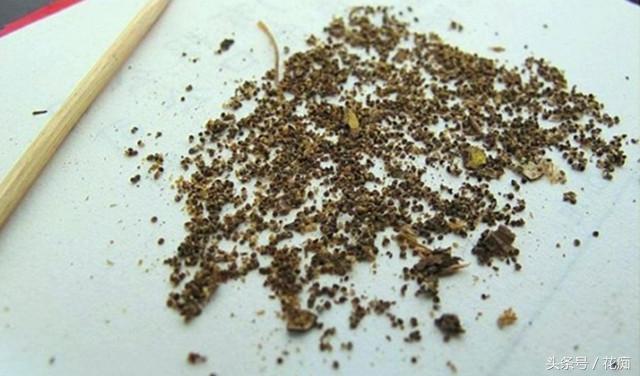
To grow lisianthus, the first thing you need is sufficiently high-quality seeds. Seeds are mostly selected online, and when buying seeds, it is best to choose imported seeds, because there are many high-quality breeding companies abroad, and the lisianthus grown from them is of better quality.
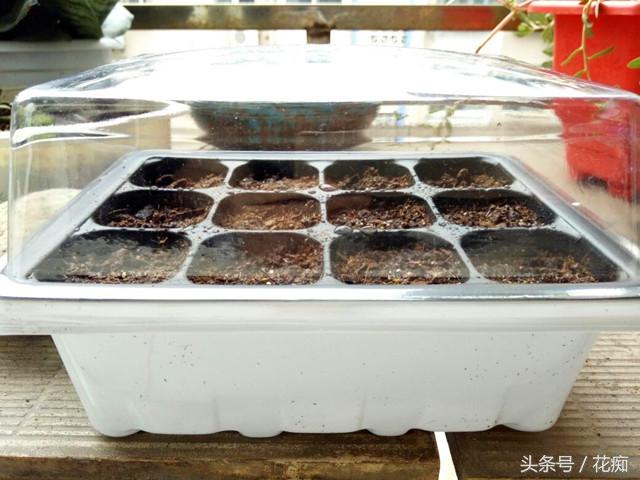
When buying seeds, it is best to also buy a seedling container, because seedling containers have many advantages: they are small and compact, making sowing and management very convenient, and they come with a heat-retaining, water-retaining protective cover, so transplanting seedlings will not damage the root system, which is better for the plant's survival.
Once we have the seeds and seedling container, we also need a growing medium. For the growing medium, it is recommended to choose a special seedling substrate. If you choose ordinary soil, its water retention, permeability, and overly heavy, sticky texture are all unfavorable for seed germination. Before sowing, be sure to let the seedling substrate fully absorb water; only with sufficient moisture will the seeds germinate more easily.
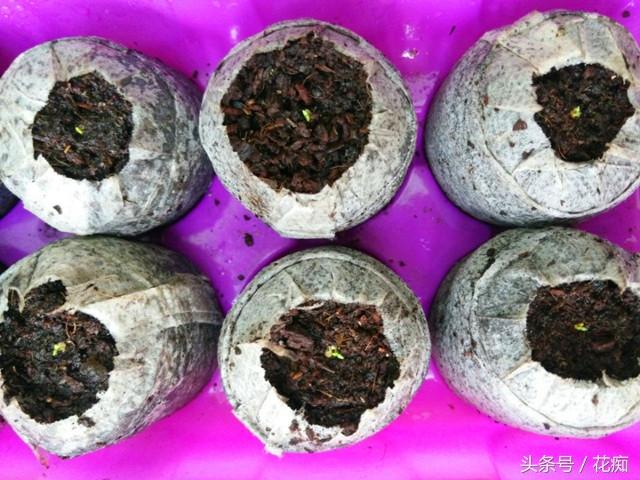
In fact, many flower lovers find that when sowing lisianthus, the seeds do not like to germinate or only a few germinate, simply because we overlook this point: lisianthus belongs to light-requiring seeds, meaning the seeds can only germinate with light. So when planting, just place the seeds on the surface of the potting soil without covering them with soil, put on the seedling protective cover, and place them in a spot with plenty of scattered light, and they will germinate in about 2 weeks.
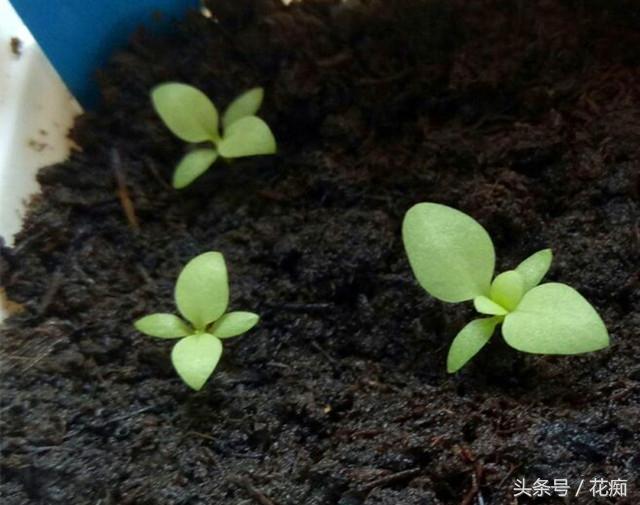
Before the seeds germinate, we still need to continuously keep the potting soil slightly moist, and control the temperature at 15-28°C, which is most favorable for germination. After germination, control moisture and do not let it be too wet, otherwise the seedlings will become leggy. After 2 leaves have grown, move them to an environment with more sufficient light for care. However, lisianthus has a very long seedling stage; a seedling stage of 2-3 months is rather long for many impatient flower lovers.
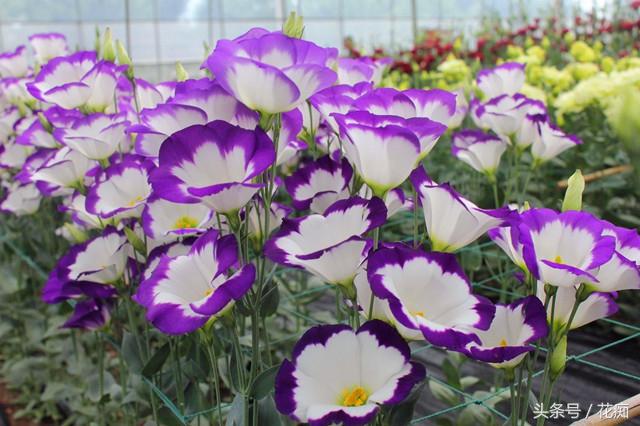
After lisianthus passes the seedling stage, that is, after the seedlings grow 4-6 leaves, we can move them to a new flower pot. At this time, a new nutrient soil can be prepared using peat soil, garden soil, and base fertilizer in a 2:1:1 ratio, and the seedlings can be directly replanted into the new flower pot without damaging the roots.
Many flower lovers will ask whether lisianthus that has passed the seedling stage needs to be pinched. Actually, this question should be determined according to the actual situation. If you feel the plant is growing very robustly, you can pinch it once; it is also fine not to pinch it. After the first year's flowering period, cut off the aboveground part, and in the coming year more new branches will grow, and it may even present a scene of bursting out of the pot.
One thing to note: the seeds we buy online are mostly coated, because lisianthus seeds are very tiny, and coating treatment can better protect the seeds and also make sowing more convenient. But after planting, we need to use a spray bottle to spray the seeds wet, so the coating naturally falls off.