Agave: Basic Information and a Detailed Guide to Growing It
Do you know agave? It is a year-round green plant, relatively tall, and a common foliage plant. Below, let us learn about the basic facts of agave and how to grow it well.
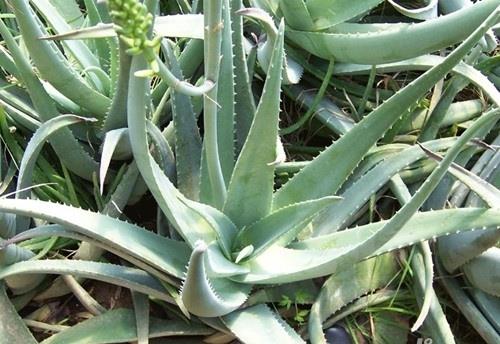
Basic facts about agave:
Agave (Agave americana), also known as dragon tongue palm, sisal hemp, century tree, etc., is a perennial evergreen large herbaceous plant native to Mexico. Because its leaves are stiff and stay green all year round, it is one of the important materials for landscaping in the south, while in the Yangtze River basin and areas to the north it is often grown in pots in greenhouses. It prefers well-drained, fertile and moist sandy loam. In its place of origin it generally takes several decades to bloom, and after blooming the mother plant dies; cross-pollination is required for it to set seed.
How to grow agave:
1. Soil: Agave is not very demanding about soil, but loose, fertile, well-drained loam is best. When potting, a mix of leaf mold and coarse sand is usually used.
2. Watering: Agave is very robust by nature and not strict about water, but during its growing period it must be given plenty of water to grow well. Apart from that, during its winter dormancy agave should not be watered too much, otherwise the roots rot easily.
3. Sunlight: Agave prefers light and should often be placed outside to receive sunlight, but variegated varieties need appropriate shading in summer to keep their colors fresh and tender. In winter, if the light in its position is dim, keep it at low temperature, do not water, and keep it dry, otherwise it will rot. Light should be restored immediately in spring.
4. Temperature: The suitable growing temperature for agave is 15-25°C, and it grows best at 10-16°C at night. Cool, dry winter conditions are most favorable for its growth, and the overwintering temperature should be kept above 5°C.
5. Fertilizing: Agave has a very strong ability to adapt to the environment; even growing in fairly poor soil, it will not affect the plant's development. However, fertile medium will still make agave grow better. Fertilizing once a year is appropriate; do not spray fertilizer frequently, otherwise fertilizer damage easily occurs.
6. Pests and diseases: Agave often suffers from leaf spot, anthracnose and gray mold, which can be sprayed with a 1000-fold dilution of 50% wettable powder of tebuconazole-desmethyl. When there is damage from scale insects, spray with a 1000-fold dilution of 80% dichlorvos emulsifiable concentrate to kill them.
The above is the relevant introduction in this article. I believe after reading it you also have a simple understanding of this. If needed, you can continue to follow No. 1 Home Network to learn more information.