6 Key Points for Growing Hydroponic Plants That Will Survive Even the Coldest Winter
Nowadays many people enjoy growing flowers, and those who love cleanliness choose hydroponics, because growing plants this way is not only clean but also highly ornamental. Below are 6 key points for growing hydroponic plants, so you won't fear even the coldest winter.
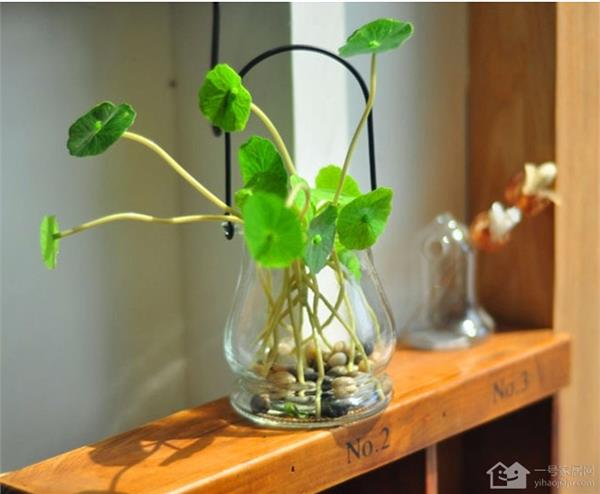
1 Selection: Choose hydroponic plants with stronger cold resistance
You should choose suitable hydroponic plants with relatively strong cold resistance. Flower materials with relatively strong cold resistance that can survive the winter with just a little cold protection include aloe, spider plant, umbrella plant, dwarf coconut palm, broadleaf lady palm, narcissus, and so on.
When buying hydroponic plants, choose ones with upright, vigorous branches and leaves, full and glossy leaves, and healthy plants free of pests and diseases. Even if such plants are moved to a slightly weaker new environment, they can adapt quickly.
2 Light: Place them in sunlight as much as possible during the day
Most people grow hydroponic plants because they don't need much special care - just put some water in a bottle or cup and then ignore them. But no matter what kind of plant it is, no matter how tough it is, it still needs sunlight.
Specific method: During the day, place them as much as possible in a spot indoors with plenty of sunlight or bright diffused light, such as a south-facing room or by a window, and let them receive as much sunlight as possible (if you are in the tropics, you must not expose them to harsh sun).
While giving hydroponic plants plenty of sunlight, growers should also be careful not to place them where windows leak wind, to prevent cold wind from blowing on them and freezing them.
3 Water and nutrients: Just change the water and nutrients once every 10-15 days
Because winter temperatures are low, although hydroponic plants are still growing, they need very little water and nutrients, so when controlling water and nutrients, you need to keep to a certain measure. In winter, changing the water once every 10-15 days is enough.
Specific method: Let fresh tap water sit for half a day, then add concentrated nutrient solution in proportion. Generally, you can just use the special nutrient solution for hydroponics sold on the market, and mix a suitable concentration according to the instructions.
Changing the water is to ensure the oxygen supply in the water. Fresh water contains more oxygen, and plants will grow more healthily. If you do not change the water for a long time, the water in the bottle will become very stale or deteriorate, which will affect the growth of hydroponic plants and, in serious cases, cause their death.
4 Cleaning: Use sterilized scissors to cut off rotten roots
Each time you change the water, rinse the plant roots and container with clean water, and prune dead branches, withered leaves, and rotten roots. Under normal growth of hydroponic plants, after a period of time some roots will rot and new roots will grow again, so when you find rotten roots, the grower should not panic, nor should they ignore it - it needs to be dealt with.
Specific method: Use scissors sterilized with alcohol cotton to trim off the rotten roots. Sometimes, in order to promote new root growth, some old roots can also be trimmed off. Throughout the process, be very careful not to damage the water roots, otherwise it will affect the plant's growth.
5 Increasing humidity: Spray with clean water close to room temperature
Most hydroponic plants have green leaves. If the air is dry, the leaves will turn withered and yellow and lose their luster. Winter weather is dry, especially in air-conditioned rooms, and flower leaves will develop dry tips or scorched edges. In winter, you should often spray the branches and leaves with clean water close to room temperature to increase air humidity.
Specific method: Use a fine-nozzle watering can and spray the front and back of the leaves, which can make the leaves deep green and bright, and can also make the leaves thicker, improving their ornamental value.
6 Container: Proper diameter is very important for the plant
Any container with a certain volume that allows the root system to spread can be used, but glass containers with wide openings are more favorable for maintaining water quality and root growth. When planting, avoid letting the leaves sink into the water, so as to prevent rot.
The above is the relevant introduction in this article. I believe that after reading it, you also have a simple understanding of this. If needed, you can continue to follow No. 1 Home Network to learn more information.