How to Grow Anthurium in Water and Points to Note
Hydroponic anthurium plants are highly ornamental and look beautiful when in bloom. Some friends also like to grow them indoors, which not only makes home life more vibrant but also helps cultivate the mind and character. Below we take a detailed look at how to grow anthurium in water and the points to note for growing anthurium in water.
I. How do you grow anthurium in water?
1. Transplanting: Dig the potted anthurium out of the soil, cut off the rotten roots, fine hair roots and old leaves, wash the roots clean with fresh water, place them in a potassium permanganate solution to disinfect, and then rinse the anthurium again with fresh water. If you grow the anthurium in water in a transparent glass container, it is best to cover the outside of the glass with a black plastic bag to prevent strong light. Cover the top with a transparent convenience bag (to keep warmth and moisture). Place it in a spot with scattered light, and keep the temperature above 10°C.
2. Changing the water: The roots of the anthurium breathe very actively, so you must change the water regularly to remove the mucus secreted by the anthurium roots and some algae, and cut off old roots and rotten roots. This also helps increase the dissolved oxygen content in the water. Generally, change the water once every 2 or 3 days; in winter you can change it once a week, adding nutrient solution once with each water change. When growing anthurium in water, only immerse 1/2 of the anthurium root system in the water and leave the other roots exposed to the air so that the anthurium roots can breathe. Insufficient dissolved oxygen in the water will cause the anthurium roots to rot.
3. Light and temperature: Anthurium likes a warm, semi-shady environment and dislikes being exposed to blazing sunlight. During the process of growing anthurium in water, pay attention to where you place it; it is best to put it in a spot that is ventilated and avoids strong light. In summer, the ambient temperature around the hydroponic anthurium should not be higher than 28°C, and in winter the growing temperature for hydroponic anthurium must not be lower than 14°C; below this temperature, the anthurium will suffer cold damage.
4. Master the growing medium for anthurium. The growing medium must have strong water- and fertilizer-retention capacity, good permeability, no water accumulation, no toxic substances, and the ability to hold the plant in place. You also need to pay attention to air humidity, moisture, temperature and so on, otherwise the anthurium leaves will rot.
II. What are the points to note for growing anthurium in water?
1. An anthurium newly grown in water with expanded clay is not suited to direct sunlight; just place it in a shady room.
2. At the beginning of hydroponic growing, do not add nutrient liquid; adding rooting powder is best.
3. The container for growing anthurium should be somewhat larger, preferably wide at the top and narrow at the bottom, V-shaped, and it must also have a certain height.
4. How long can a hydroponic anthurium live? One grown in expanded clay can live a very long time. I have grown one for 2 years and it now produces leaves and flowers every year, and I estimate it can live even longer.
5. If you want to grow anthurium in water, it is recommended to use expanded clay to induce it first, then switch to pure hydroponics. Growing it directly in water is not recommended.
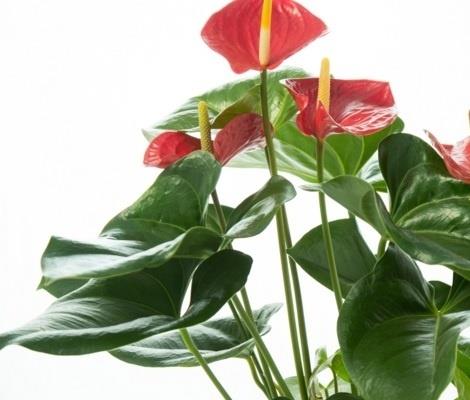
For anthurium, the hydroponic method is relatively difficult to carry out. Besides mastering the relevant methods, you also need to be extra careful and attentive during the growing process. After the hydroponic anthurium is planted well, sometimes because there is not enough water, or not enough nutrient solution, or because it cannot get sunlight, the anthurium leaves may turn yellow, so friends should adopt different methods to solve the problem according to the specific situation. And if the growing method in the hydroponic process is wrong, it can also cause the hydroponic anthurium roots to rot; you can look up the relevant methods to solve this, and the editor will not explain it in detail here.
The above is the related introduction in this article. I believe that after reading it you have a simple understanding of this as well. If needed, you can continue to follow No. 1 Home Network to learn more information.