What flower fertilizers are used? How to fertilize when planting flowers
When growing flowers, you cannot avoid coming into contact with some flower-growing knowledge and learning how to grow good flowers. Many plants cannot grow well if they do not get enough nutrients, and at times like this, using fertilizer is very useful. Below, let us learn about what flower fertilizers are used and how to fertilize when planting flowers.
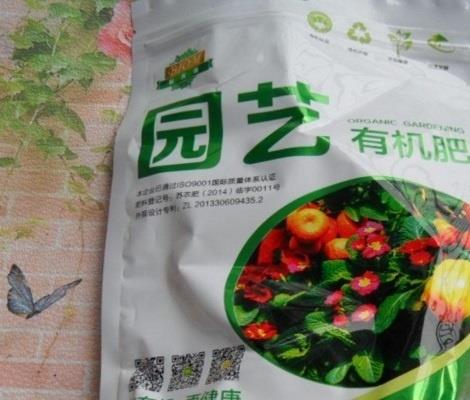
I. What are the commonly used flower fertilizers?
(1) Organic fertilizers. They are usually divided into animal-based organic fertilizers and seedling/plant-based organic fertilizers. Animal-based organic fertilizers include human feces and urine, the feathers, hooves and horns of poultry and livestock, bone meal, and waste from fish, meat and eggs. Plant-based organic fertilizers include soybean cake and other cake fertilizers, sesame paste residue, weeds, leaves, green manure, Chinese herbal medicine residue, distillers' grains, and so on.
These two types of flower fertilizers are both slow-release fertilizers, with relatively complete nutrients and a longer fertilizer effect. Before use, they must be fermented and decomposed before they can be applied.
(2) Inorganic fertilizers. These are fertilizers rich in mineral nutrients made by chemical synthesis or processed from natural ores. For example, nitrogen fertilizers include urea, ammonium sulfate, ammonium chloride, ammonium nitrate, and so on. Phosphate fertilizers include superphosphate, phosphate rock powder, and so on. Potassium fertilizers include potassium chloride, potassium sulfate, and so on. Chemical fertilizers have a quick fertilizer effect, but their nutrients are simple; their fertilizing nature is strong, but not lasting. Except for phosphate fertilizers, chemical fertilizers are generally used as topdressing.
II. How to fertilize when planting flowers?
1. Fertilizing when planting. If your flower was bought and needs to be planted immediately, then you need to pay attention when fertilizing at this time. Chemical fertilizers cannot be applied; chemical fertilizers are quick-acting fertilizers, so they cannot be applied during plant transplanting, "do not give a big tonic to a major wound." You can choose organic fertilizer as the base fertilizer for potted plants, and applying 1/4-1/5 is relatively good.
2. Fertilizing in spring. When the temperature rises in spring, most flowers and plants grown at home begin to sprout new buds and grow new leaves, and at this time they greatly need nutrients. After loosening the soil, you can bury an appropriate amount of flower fertilizer (mainly organic fertilizer or fertilizer rich in organic matter) 5 cm below the soil, and at least 2 cm below is preferable. Water appropriately and press firm. During this period, fertilize in sufficient amounts and few times, at most once a month.
3. Fertilizing in summer. The temperature is very high and growth is very fast, so fertilizing should focus mainly on high-nitrogen fertilizer. At this time, you can dissolve nitrogen-rich fertilizer in water and wet the soil once every 5-7 days. This can produce a very good fertilizing effect. Remember, fertilize a small amount at a time and do it multiple times.
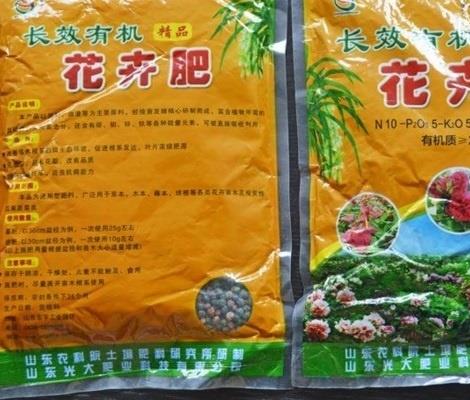
4. Fertilizing in late autumn. Winter is almost here, and the temperature will soon turn sharply colder. At this time, be sure to remember to apply fertilizer once. After the plant absorbs enough nutrients, it will strengthen its stress resistance and will not be damaged by freezing. When fertilizing at this time, mainly use high-potassium fertilizer, also dissolved in water, fertilizing a small amount at a time and doing it multiple times.
5. In winter, generally, except for indoor shade-loving plants that can be fertilized, others do not need fertilization. If you must fertilize in winter, it is also best to apply low-nitrogen fertilizer; leaves must not grow, otherwise they are prone to frost injury.
The above is the related introduction in this article. I believe that after reading it, you also have a simple understanding of this. If needed, you can continue to follow No. 1 Home Network to learn more information.