How to grow and cultivate Camellia sasanqua, which blooms in winter - gardening lovers should save this
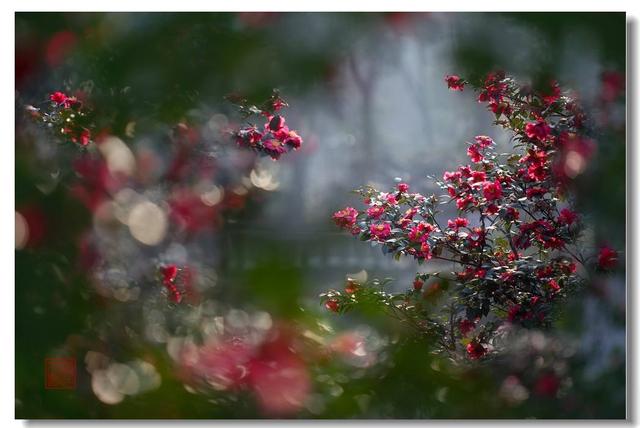
It is now deep winter, and the flowers that can bloom are already few, and those that can bloom so beautifully are even rarer. Today I am sharing with you the growing method for this beautiful flower, Camellia sasanqua.
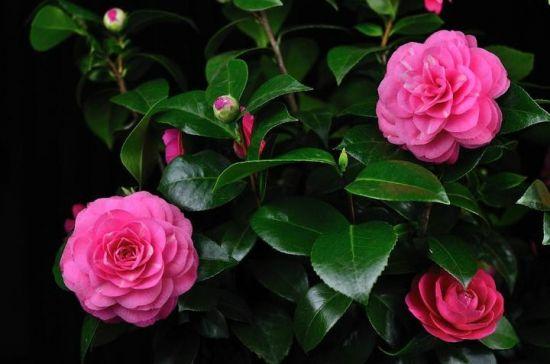
The Camellia sasanqua shared today is mainly distributed in China's Jiangsu, Zhejiang, Fujian, Guangdong and other provinces along the river and in the south. Camellia sasanqua has elegant leaves, brilliant flower colors and a long flowering period, and is a famous flower excellent both for enjoying the blooms and the foliage. Next, let Xiaomei give you a popular science rundown on how to grow Camellia sasanqua.
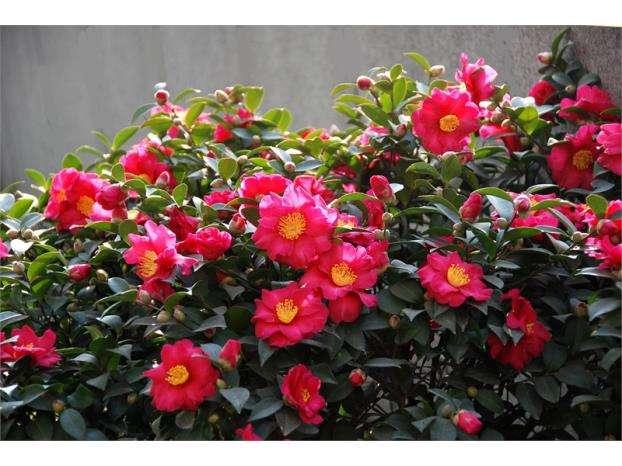
1. Potting soil: For potted Camellia sasanqua, a culture soil that is loose in texture, well drained, fertile and slightly acidic is best. In the north, soil made mainly from leaf mold or peat soil can also be used, and a clay pot with good air permeability and strong water absorption should be chosen. First spread a layer of coarse sand grains or coarse slag granules at the bottom of the pot to facilitate drainage and air permeability.
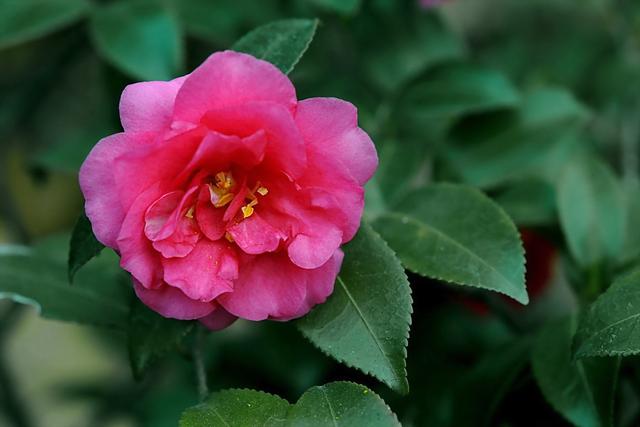
2. Fertilizing: Camellia sasanqua does not demand much fertilizer or water; apply light fertilizer frequently. Do not fertilize too early during the seedling stage of the camellia, so as to avoid burning the seedlings. For newly transplanted Camellia sasanqua, do not apply too much fertilizer either, because newly transplanted Camellia sasanqua will grow many small roots to adapt to the new environment, and fertilizing at this time easily causes seedling burn and results in dead plants.
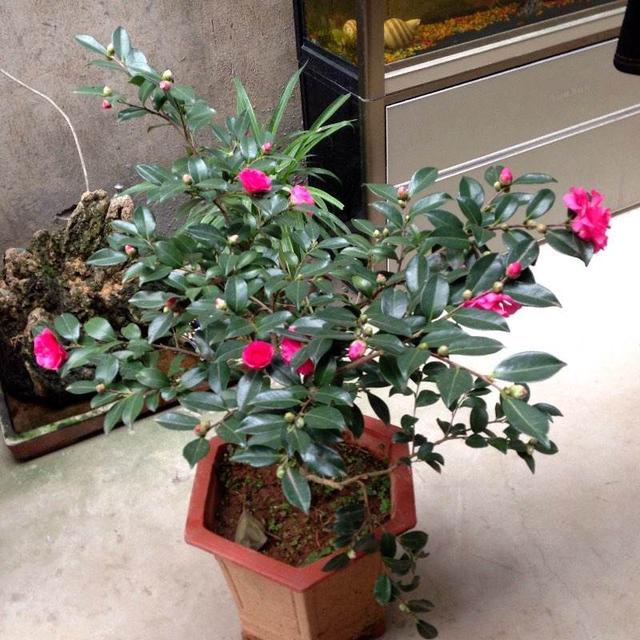
3. Watering: Watering of Camellia sasanqua depends on the situation; it must not be too wet, so as not to affect soil air permeability, and too much watering also easily triggers disease. You can spray an appropriate amount of water on the plant every day.
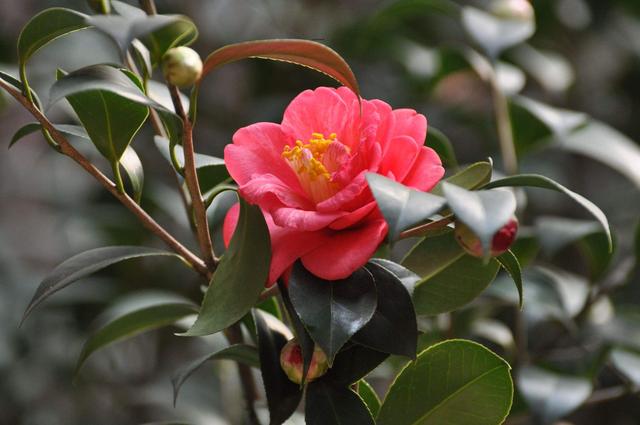
4. Habits: Camellia sasanqua likes shade. In the high-temperature summer season, shade it in time, and in winter it must not be exposed to direct strong light either; too strong light easily causes leaf curling. Therefore, shading is very important. But for abundant flowering, reasonable light is also necessary.
5. Points to note: When choosing a pot, note that a new pot must be soaked in water for more than 24 hours and can only be used after it has completely lost its caustic nature. Old pots must also be thoroughly cleaned to avoid spreading viruses. Absolutely do not use calcareous soil; plants grown in calcareous soil will never survive no matter how many times you plant them.
After reading the growing method for Camellia sasanqua, what do you think? You are welcome to leave comments! In the past month, I have been posting the growing method for one winter-blooming flower every day, so friends who like this can keep following me!