Is putting stones at the bottom of the pot wrong? Foreign gardening experts make a pretty convincing case
Some gardening experts have found that putting gravel or coarse material at the bottom of a pot is not a wise decision and does nothing to help drainage. Take a look at these views below, will you agree with them?
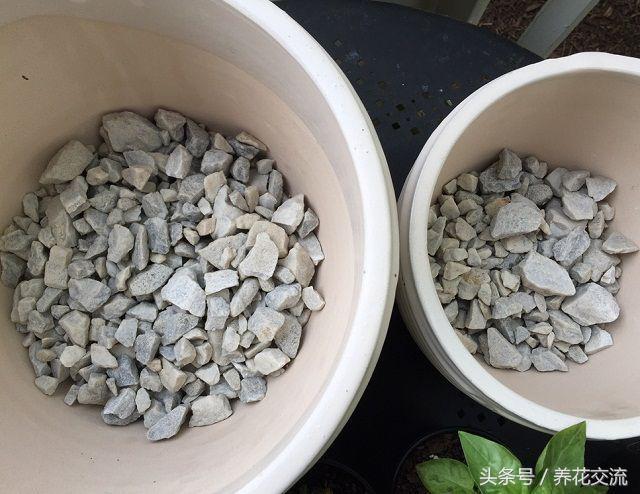
Every time before planting, I habitually add a layer of gravel to the bottom of the flower pot, using it to improve the drainage of the potting soil. But is it really necessary, or does it really have any effect?
Most people who grow flowers, when potting up plants, spread a layer of gravel, pebbles, Leca clay pebbles or other granular stones at the bottom of the pot. But some friends do not put gravel at the bottom of the pot, and there seems to be no problem either; the plants still grow well and the roots do not rot.
In an educational article from the famous University of Illinois in the United States, it is stated that putting a layer of gravel at the bottom of a pot does not achieve any drainage effect. When watering, if there is excess water, it will accumulate above the gravel rather than flowing away through the gaps. If you put gravel at the drainage hole at the bottom of the pot, it will simply clog the drainage hole. They believe that putting gravel at the bottom of the pot does not improve the drainage of the potting soil.
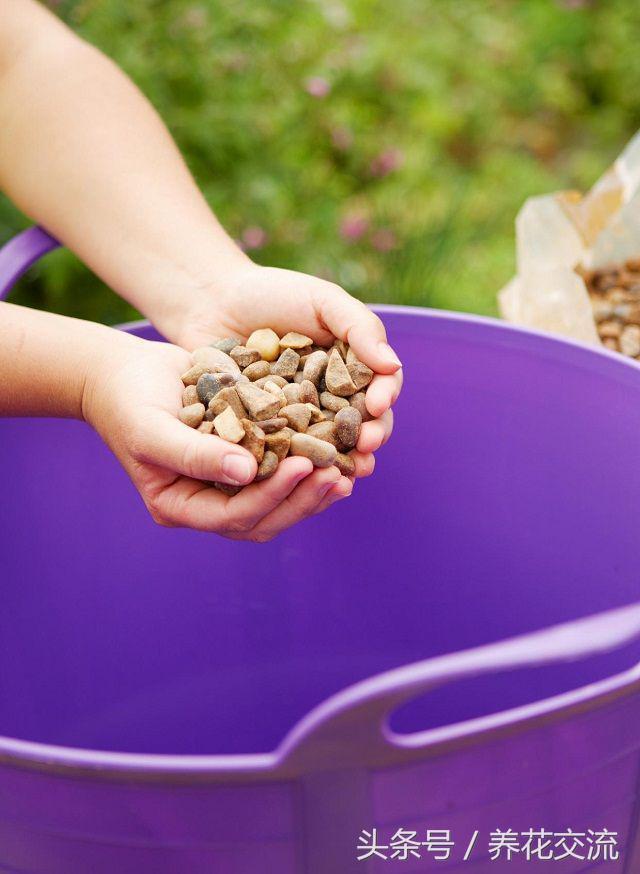
1. Why is it not suitable to put gravel at the bottom of the pot?
Old gardeners or experienced flower growers, when planting potted plants, all add gravel at the bottom of the pot. However, American soil scientists have proved that gravel and other coarse media do not improve drainage; instead, they hinder drainage.
Among these views is also the idea that watering causes friction between the gravel and the soil, and once too much water is given, it easily damages the plant roots.
An associate professor and urban horticulturist at Washington State University also believes that putting gravel and coarse material at the bottom of a pot is unfavorable for drainage, and that doing so has no scientific basis.
2. Does a gravel layer improve air circulation?
We all know that plant growth requires good drainage so that their roots can breathe. These scientists have also tested it: when watering potting soil with a gravel layer, water cannot seep into the gravel; the gravel hinders water from flowing out of the flower pot, and the gaps in the gravel will gradually be filled up by soil.
3. Unfavorable for drainage?
Some people also believe that the space in the potting soil is already very small. If some gravel is added, then the growing space for the plant is reduced, which is also unfavorable for plant growth.
4. Can adding a drainage layer at the bottom of the pot cause root rot?
"Mike Davidd," a master gardener from the University of California, wrote: "Plants need good drainage, especially those maintained in flower pots. If plant roots are waterlogged for too long, it will cause root rot and even kill the plant. For a long time, gardeners have been used to spreading gravel, broken tiles, polystyrene foam and the like at the bottom of containers, which hinders water from flowing out of the drainage hole. The water in the pot easily becomes saturated, and the plant easily lacks oxygen, or even suffocates."
5. Is gravel unnecessary weight?
Some people also believe that adding a layer of gravel at the bottom of the pot adds unnecessary weight to the container, making it difficult to move.
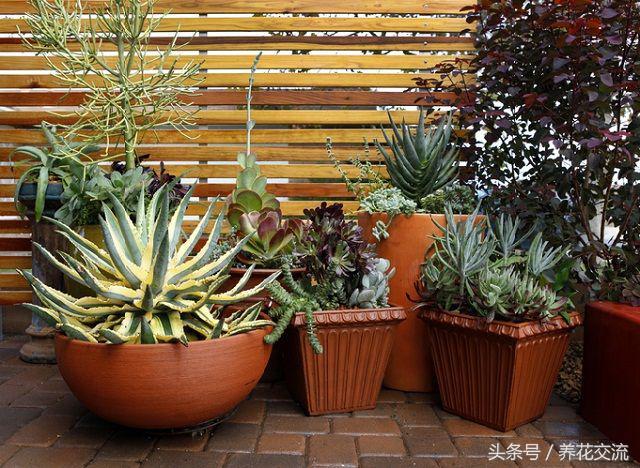
These master gardeners believe that adding gravel at the bottom of the pot is very unnecessary. If you are afraid that the soil will be washed away, you can add a layer of filter paper or newspaper and the like at the bottom of the pot.
Do you think these statements are correct? Is putting gravel at the bottom of the pot simply wrong?