An analysis of aerobic and anaerobic fermentation processes in gardening fermentation techniques
I often see gardening friends asking in posts how to ferment fish intestines, manure, dough and similar things, and some say that on Taobao it is said fermentation must be sealed, while others say it does not have to be sealed. Here I will give a relatively scientific answer, hoping it will be useful to everyone.
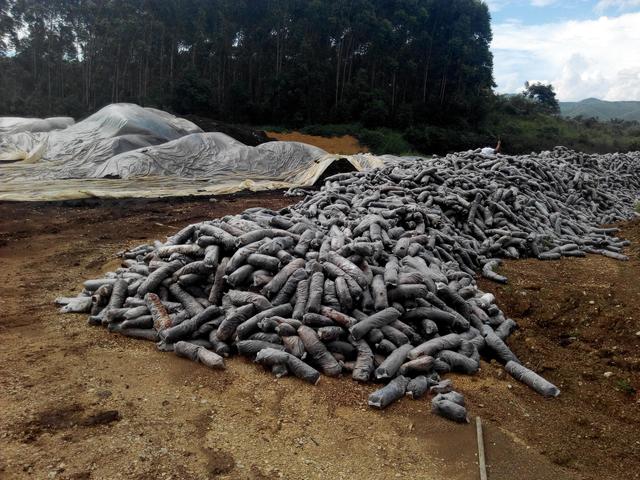
The fermentation site of pig manure + mushroom residue at a certain dragon fruit base
Selection of bacterial strains: I once posted on the forum that the best fermentation uses Japanese EM bacteria. For many gardening friends, they do not know where to buy it. What I can now correctly tell everyone is that if you do not have EM bacteria, using the "yeast" we use for making bread is also fine.
What are EM bacteria?
EM bacteria are highly effective composite microbial strains made from single strains such as bifidobacteria, lactic acid bacteria, bacillus, photosynthetic bacteria, yeast, actinomycetes and acetic acid bacteria through fermentation by special processes. Their main function lies in making EM bacterial fermentation liquid - fermented biological feed, fermented biological fertilizer, sewage treatment, garbage deodorization and other products. (Simply put, EM is a microbial preparation composed of yeast, lactic acid bacteria and photosynthetic bacteria, etc.) Among EM, the photosynthetic bacteria group is aerobic and anaerobic, the lactic acid bacteria group is anaerobic, the yeast group is aerobic, and the filamentous bacteria group of the fermentation system is anaerobic. So the fermentation process involves both aerobic and anaerobic fermentation, but the substances and effects they produce through fermentation are different.
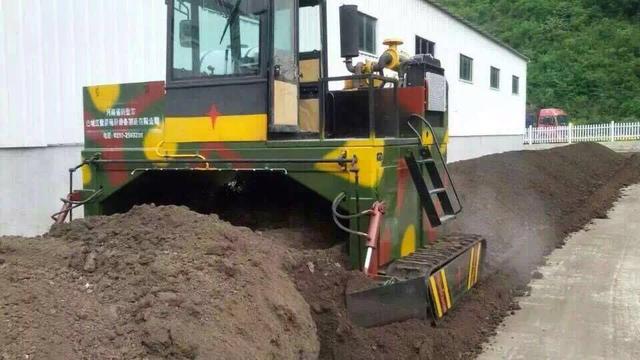
The turning and pushing production line of an organic fertilizer factory in Guangxi
Attention!!!! What is anaerobic fermentation: anaerobic fermentation is when waste is stabilized through the metabolic activities of microorganisms under anaerobic conditions, accompanied by changes that produce methane and CO2. (This process also produces hydrogen sulfide - the smell of rotten eggs.) The above process can explain why there are gases or odors when fermenting fish intestines or other things. The concentration of sulfide will affect the activity of methane bacteria, so you should unscrew the lid every so often to release the gas.

Hydrogen sulfide is a toxic gas
Things for solid fermentation must undergo aerobic fermentation (in fact, anaerobic fermentation will still exist inside). For fermenting fish intestines and other things, or liquids, in order to consider the feelings of neighbors, you can keep the lid on during the day and release gas at night, ventilating for a few minutes, then cover it again. In places with few people, it does not need to be sealed (not uncovered, though; covering it with a film is also fine, and remember it must not be exposed to the sun). For fermentation to succeed, when fermenting liquid-form fertilizer, everyone can appropriately add brown sugar + EM bacteria or yeast (adding more is not a problem), with water added at 1 jin of material to 5~8 jin of water. After fermentation is complete, remember to dilute it before use. Once the finished product is fermented, it should be sealed and stored to prevent spoilage. Solid composting must be carried out according to a certain material ratio, and the moisture must be well controlled. You can prepare a bacterial liquid with 10 jin of water + half a jin of brown sugar + yeast. Or you can also expand and culture the bacteria yourself (10 jin of water + half a jin of brown sugar + yeast + constant-temperature rod (the 40-degree one for fish keeping) + aeration (fish-keeping equipment) for 10 hours continuously). After 24 hours, you will see a film on the surface; this is the bacterial film. You can directly use this liquid as water fertilizer, or add fish intestines etc. for fermentation.
Introduction to the next article (the production process of bacterial liquid, everyone is welcome to follow)