Growing Conditions for Pitcher Plants: Key Points to Note When Growing Pitcher Plants
What kind of plant is the pitcher plant? It is very common, and you will recognize it when you see it. Below, let us learn about the growing conditions for pitcher plants and the key points to note when growing pitcher plants.
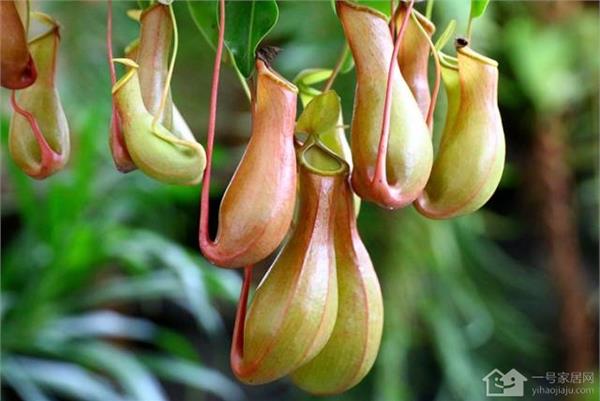
Pitcher plant growing methods and key points to note:
1. Temperature: Pitcher plants like a high-temperature environment, and they grow vigorously at 20-30°C. In winter, when the temperature is lower, pitcher plants almost stop growing. To prevent pitcher plants from freezing to death, you also need to provide them with heat. Make sure the indoor temperature is not lower than 10°C.
2. Humidity: The level of air humidity is the key factor affecting whether pitcher plants can normally produce pitchers. To increase air humidity, you can cover the entire pitcher plant with a transparent plastic bag, and you can easily create a high-humidity environment. In addition, placing the pitcher plant in an aquarium, or in a corner to reduce ventilation, will also increase humidity.
3. Light: Pitcher plants like sunlight, but they are afraid of direct strong light. Therefore, in summer, attention should be paid to sun protection, and the usual method is to set up a shade net. If there is too little sunlight, that is also not good; it will cause pitcher plants to grow slowly, with weak and spindly plants, smaller pitchers, or even no pitchers at all.
4. Water: Pitcher plants need a large amount of water. When the temperature exceeds 30 degrees, water 2-3 times a day. If conditions permit, it is best to spray water vapor on the branches and leaves of the pitcher plant. When the temperature is lower, you can water a little less, but the soil should still always remain moist.
5. Fertilization: Generally, apply organic fertilizer to pitcher plants, and water promptly after fertilizing. If there is no organic fertilizer, or if you dislike organic fertilizer, you can apply a little chemical fertilizer, and the amount of chemical fertilizer should be kept relatively low. Applying too much fertilizer at one time will cause the plant to wither, as if it were lacking water. In addition to these fertilizers, leaf fertilizer can also be applied, and its effect is relatively quick.
6. Substrate: Pitcher plants like a substrate that is sufficiently loose and well-drained, while also retaining water well and providing the plant with sufficient moisture. A mixed substrate based on coconut husk, mixed with wood chips and perlite, or pure sphagnum moss, is very suitable for pitcher plants. Sphagnum moss is not only a suitable substrate for pitcher plant growth, but also an indicator of whether the growing environment is suitable for pitcher plant growth.
7. Key points to note when growing:
(1) The flowers of pitcher plants do not have much ornamental value. The flowers are small and plain, and only a few varieties have relatively bright flowers. In addition, the flowers of pitcher plants also give off a not very pleasant smell, so it is best not to grow them indoors. A courtyard or balcony is the best choice.
(2) Pitcher plants are vine plants and must have something to cling to in order to stand, so supports need to be set up for pitcher plants. To install supports, larger flower pots are needed. On the other hand, using larger flower pots can hold more growing medium, making the pot stable and heavy, so it can support a large pitcher plant without being blown over by the wind.
The above is the relevant introduction in this article. I believe that after reading it, you also have a simple understanding of this. If needed, you can continue to follow No. 1 Home Network to learn more information.