Analysis of 7 reasons for yellowing leaves on the Brazil wood plant
The Brazil wood plant (Dracaena fragrans) is a common large indoor potted plant. If it is not cared for carefully, the Brazil wood plant may develop yellowing leaves. Below, let's look at the 7 reasons for yellowing leaves on the Brazil wood plant.
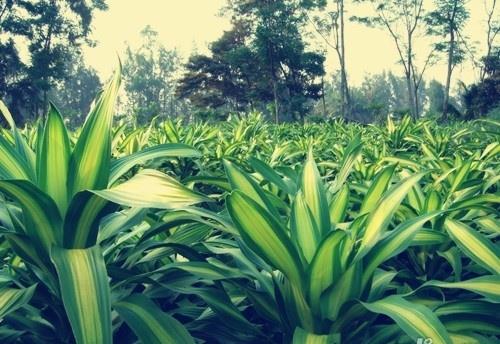
Causes of and solutions for yellowing leaves on the Brazil wood plant:
1. Soil and water on the alkaline side
For potted Brazil wood plants, a mixed soil of leaf mold, culture soil and coarse sand is best. If the chosen soil is unsuitable and lacks soluble iron and other elements that the plant can absorb, the leaves will gradually turn yellow. When planting, choose suitable soil, and during the growing period, regularly water with alum fertilizer water.
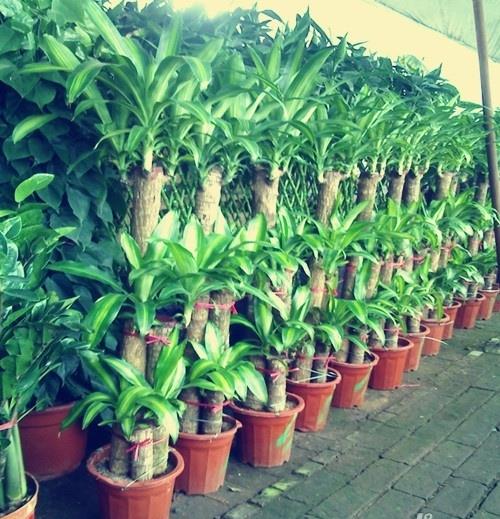
2. Overwatering
The Brazil wood plant does not need much water and requires high air humidity in the surrounding environment, but the potting soil should not become waterlogged, so as to avoid poor ventilation and air permeability causing root rot. Overwatering will keep the Brazil wood plant's potting soil wet for a long time, causing a lack of oxygen in the soil, making some fibrous roots rot, hindering normal respiration and the absorption of water and nutrients, and causing leaves to turn yellow and drop. The solution in this case is to immediately control watering, suspend fertilizing, and frequently loosen the soil so that the soil is well aerated.
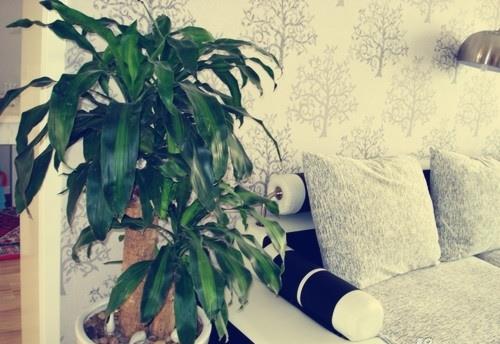
3. Underwatering
The Brazil wood plant has relatively high requirements for the moisture level of the surrounding environment. If the Brazil wood plant is watered too little and the surrounding air is also relatively dry, it is also easy to cause the leaf color to become dull and lusterless, and the leaves to wilt, droop, wither, turn yellow and drop. The solution in this case is to water lightly and spray water, so that it gradually recovers and then returns to normal watering.
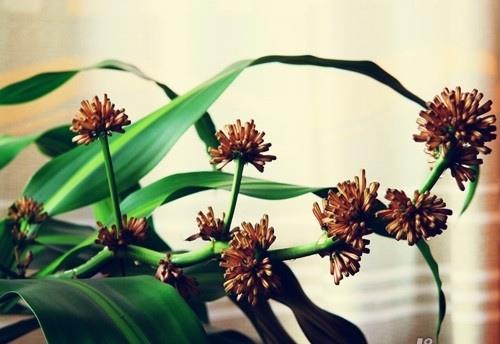
4. Dry air
The Brazil wood plant has relatively high requirements for the humidity of the surrounding environment. If the indoor air is excessively dry, the Brazil wood plant often shows yellowing at the leaf tips. At this time, attention should be paid to methods such as spraying water and covering with a plastic film cover to increase air humidity and give the Brazil wood plant a growing environment with relatively good humidity.
5. Insufficient light
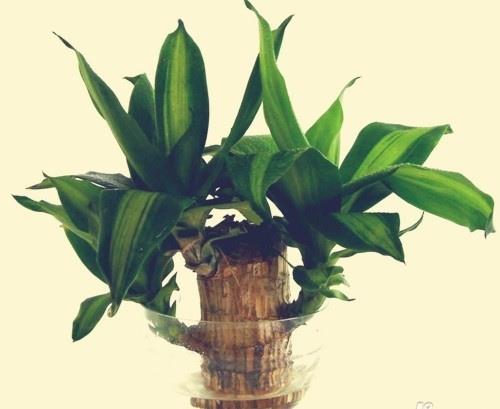
The Brazil wood plant likes sunlight. If the Brazil wood plant is placed in a shaded place or a place with insufficient light for a long time, it will cause the branches and leaves to turn yellow. At this time, it needs to be planted in a place with sufficient but not intense light.
6. Too dense and not ventilated
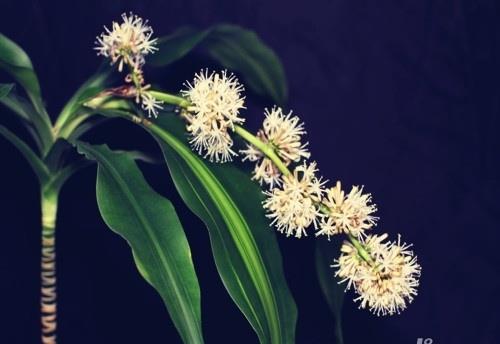
If the Brazil wood plant is given too much nitrogen fertilizer, the branches and leaves grow too luxuriantly, and coupled with a long period without pruning, the inner branches and leaves do not get enough light, which easily causes leaves to turn yellow and drop. Fertilization should be reasonable and pruning strengthened, so as to make it well ventilated and able to receive light.
7. Insufficient fertilization
The Brazil wood plant needs continuous fertilization. If no nitrogen fertilizer has been applied for a long time or the pot and soil have not been changed, the soil lacks nitrogen and other nutrient elements, resulting in weak branches and leaves and withered yellow leaves. The solution at this time is to promptly replace it with new loose and fertile culture soil and gradually increase the application of thin, fully decomposed liquid fertilizer or compound flower fertilizer.
The above is the relevant introduction in this article. I believe that after reading it, you also have a simple understanding of this. If needed, you can continue to follow No. 1 Home Network to learn more information.