Haima's Gardening Class Lesson 19: Floral Art Lights Up Life

Good evening, everyone! It's time for class again! On this cold night, I especially long for spring. Today I attended a floral art class, and I want to talk about how to better enjoy the pleasures of the garden. One important part of that is enjoying the floral art pleasures in the garden.
Today Teacher Fangfang mentioned the Sogetsu school philosophy in Japanese flower arranging: at any time, in any place, with any materials, you can do floral art. I suddenly felt inspired, so how about we talk about this topic this week?
This reminds me of a book I read recently. It mentioned the words "no boundaries," and I feel that the pleasures of the garden are also boundless and very broad. Since I am not a floral art teacher, I won't talk about technical issues this time, but I can briefly share the floral art life I have learned about.
There are several kinds of enjoyment in the garden: the enjoyment of labor, the joy of movement, and also the process of floral art. The common thread among them is that they can quiet time, quiet a person, let you be immersed in it, empty your thoughts, as if entering a kind of meditation. This is a good way to relieve stress.
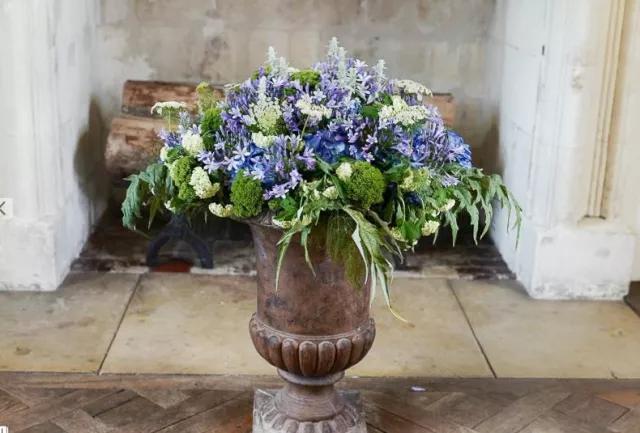
Sometimes there is an emotion called reluctance to part with them. You are reluctant to cut flowers that are blooming, always feeling that flowers should bloom on the branch, not realizing that floral art can give flowers new vitality.
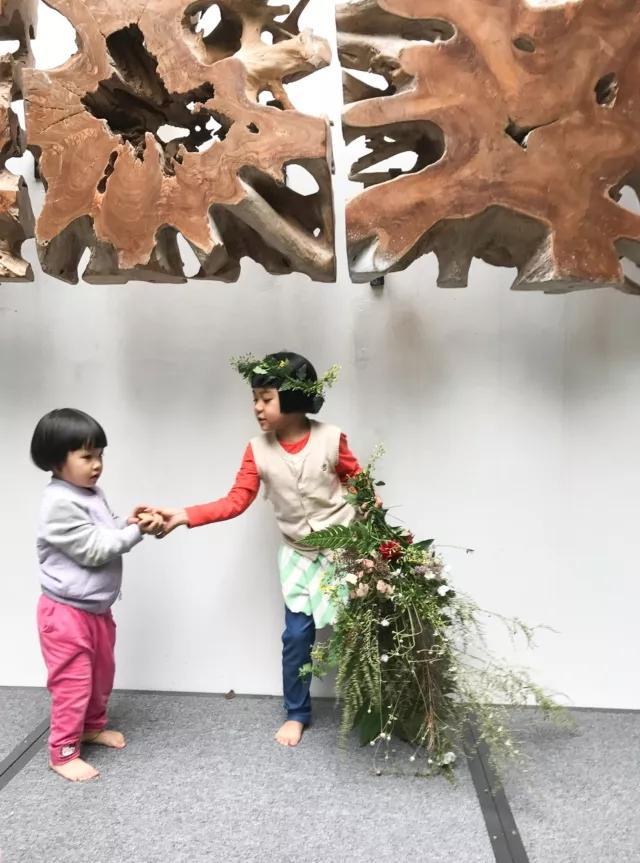
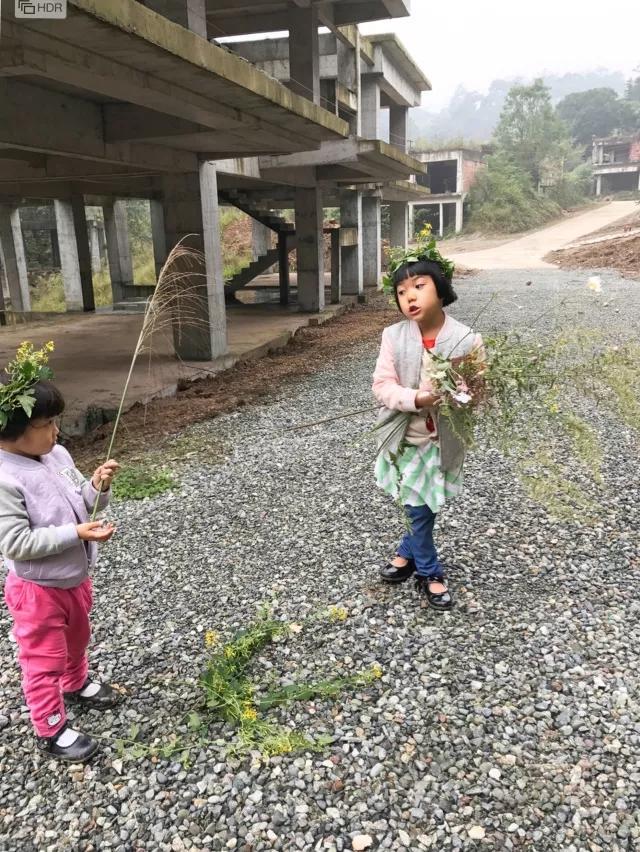
This picture was taken when I took Heidi and her little sister to plant flowers at the Shiwai construction site in Qingcheng Mountain. I brought them out into the wild. I cut flowers, and Heidi casually made a bouquet. We played like that all afternoon and even found a caterpillar. The charm of life is nothing more than this.
When I was little, whenever cherry blossoms bloomed in early spring, I always liked to go PIE. How do you write that word? A branch of cherry blossoms placed in a room, so fragrant. I can still remember that scent of spring.
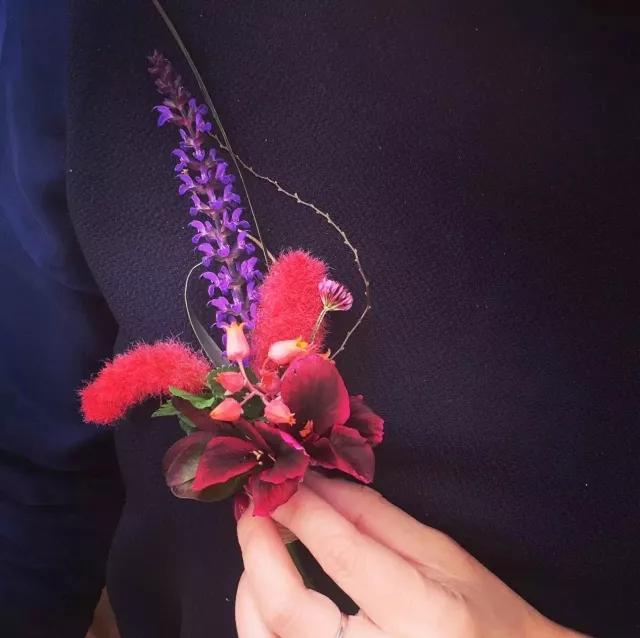
And for a rich person like me, the thing I lack least is flowers. Just cut them casually, and even before starting to arrange them, they are already beautiful.
The most beautiful thing is the process of picking in the garden. Don't be too poetic about it. If you can, listen to a lyrical song.
Or a passionate song, which will make people even more excited. The appearance of flowers is naturally passionate, bringing people yang energy, motivation, positivity and beauty.
Sometimes there is one most beautiful flower to admire and savor, especially when growing a certain kind of flower and the first one opens, you feel it is extremely beautiful. In summer, it is best to cut it, put it in a vase, and enjoy it for longer, especially roses.
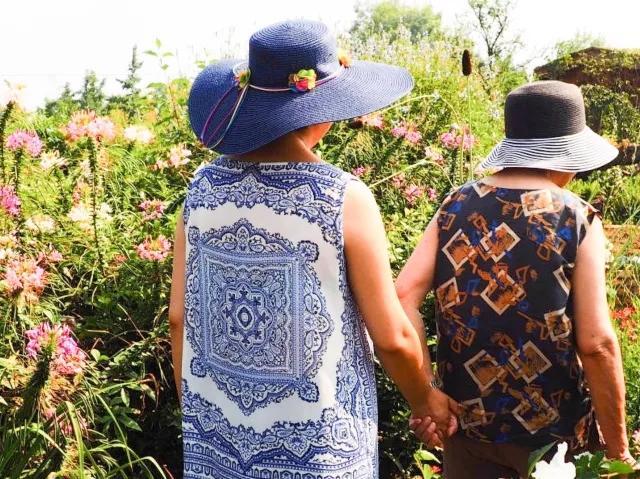
For a garden, the most beautiful scene is nothing other than this: a mother holding her child's hand to cut flower materials and make floral art together. Even if the mother's hair has all turned white, she still tightly holds her daughter's hand and will not let go.
As for floral art in the garden, personally I think the most beautiful is natural-style floral art. Natural-style floral art means there are high and low levels with a pleasing arrangement, and every flower's expression can be appreciated. I especially like what Fangfang said: the expression of flowers. You will have a feeling that the flower is smiling at you and communicating with you a little. And each flower is not crowded, with air flowing, giving a feeling that it can breathe.
There are all kinds of flower materials in the garden.
Natural-style bouquets can be hand-tied, arranged with floral foam, or placed in a bottle (vase arranging). That is, choose materials from the garden. When I say this, don't think leaves are not beautiful. Leaf materials are indispensable. Red flowers still need green leaves to set them off.
Leaf materials in the garden should be observed for their growth direction, shape, texture, color and various other factors to match and use them. This thing called floral art requires reading books and learning.
Jojo compiled a series of books called "Flower Vision." If you are interested, you can buy them and take a look. It is good to increase your aesthetic sense. Floral art, why does it have the word "art"? Because it is creation, it is art, and it has content and emotions that the creator wants to express.
It's not embarrassing to say this: I often take the children in the garden, and after picking flower materials, we put them in a bottle, then pull them out, and do it again, many times like this, teaching Heidi and her little sister to arrange flowers and training their aesthetic sense.
This really is, at any time, in any place, with any materials, playing with floral art.
When we used to live in the garden, the children would take a small bouquet of fresh flowers to school. The older sister likes pink, and the younger sister likes yellow, so I would prepare two color schemes of flowers to accompany them to school. That way, if they missed their mother, looking at the flowers would comfort them.
Since this is a class, let me add some small tips about preserving fresh flowers and arranging flowers:
1. About hydrangeas withering immediately after being cut, especially hydrangeas that have just opened: the secret is to bury the entire flower (with leaves and stem) in water and let it absorb water for 1 to 2 hours. Take special care not to put it in a fish pond to absorb water, as it will poison the fish. Once the flower has absorbed enough water, it can be preserved for about 15 days. Be careful not to place fresh flowers in a draft, not in direct sunlight, and not in a place with too high a temperature. These places will speed up the withering of the flowers.
I remember nine years ago when we were doing floral art, we received an order for one thousand stems of Lilium longiflorum. We were excited for a whole week. In the end, the fresh flowers that came from Yunnan were buds and completely unusable. In the middle of winter, we turned on the air conditioner, turned on the heater, put the buckets on an electric blanket, and almost breathed warm air on the flower buds. The result was predictable: after one night, the buds had not opened, and all the stems were cooked.
2. So how do you make dried flowers from hydrangeas? Only autumn hydrangeas will work. That is, if the hydrangea has been on the branch long enough, it can naturally be made into dried flowers. It is very difficult to succeed in summer. As for varieties, Endless Summer Bride and panicle hydrangea Baiyu are both ones I have tried and can be made into dried flowers.
3. How do you revive wilted flowers? Sometimes when you pick flowers fresh in the garden and put them in the car for half an hour, they wilt by the time you get home. At this point they can still be revived. Cut the flower stems while submerged in water, about 1 cm at a time, for three or four times in a row, then fully submerge the entire stem and leaves in water. After about half an hour they can recover. This has remarkable effects for herbaceous flowers, roses and hydrangeas.
4. What should you do if it is difficult to secure flowers in a vase? For non-glass bottles, use the "cross method" at the bottle opening to make a field-shaped grid, and then you can secure them easily.
Source: Heidi's Garden
Author: Heidi's Mom